

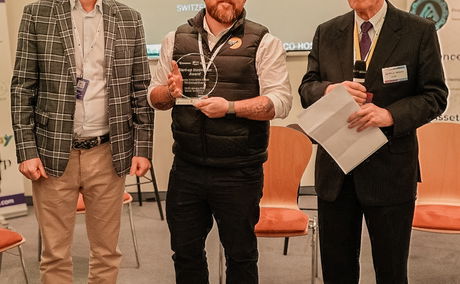
For a conservation organisation based in Oudtshoorn, moments like this do not come often. And when they do, they are worth pausing for. This year, a South African conservation technology project founded by our CEO, Douglas Eriksen, was recognised on the global stage at the World Economic Forum in Davos. Project ZOA, or Zoological Open Architecture, was awarded the Startup Innovation Award for Top AI Sustainability Project during Davos Innovation Week 2026.
A Season of New Beginnings
Posted on Fri December 26, 2025.
Over the past month, births, rescues, rehabilitation efforts and on-site projects have brought renewed life and purpose to Cango Wildlife, making this festive season a powerful reminder that the most meaningful celebrations are often marked by new life and second chances.
A baby boom has swept through the facility, and as Christmas has passed and the year draws to a close, these arrivals stand as a symbol of hope, care and continuity in conservation.
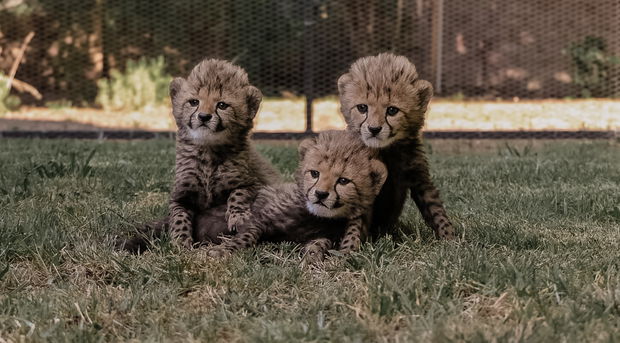
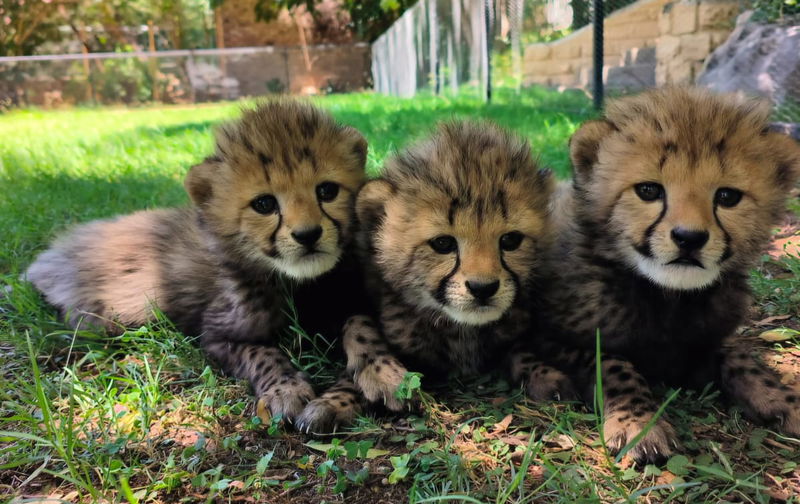
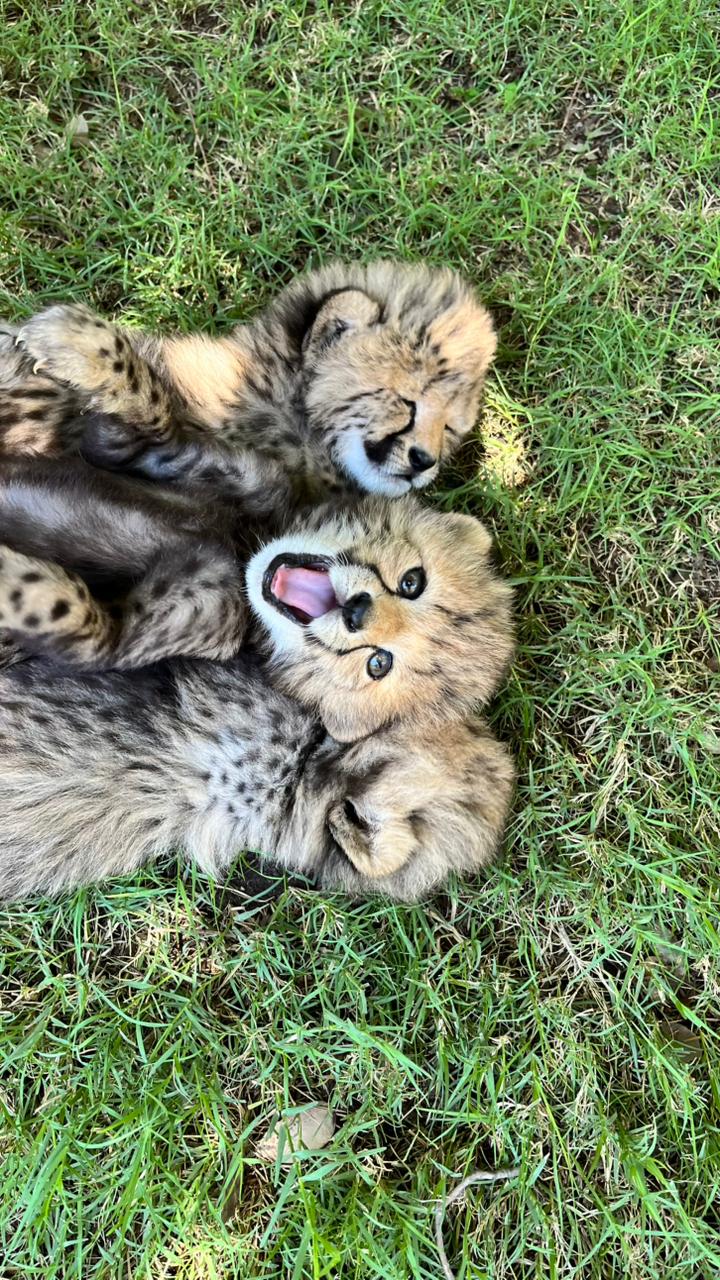
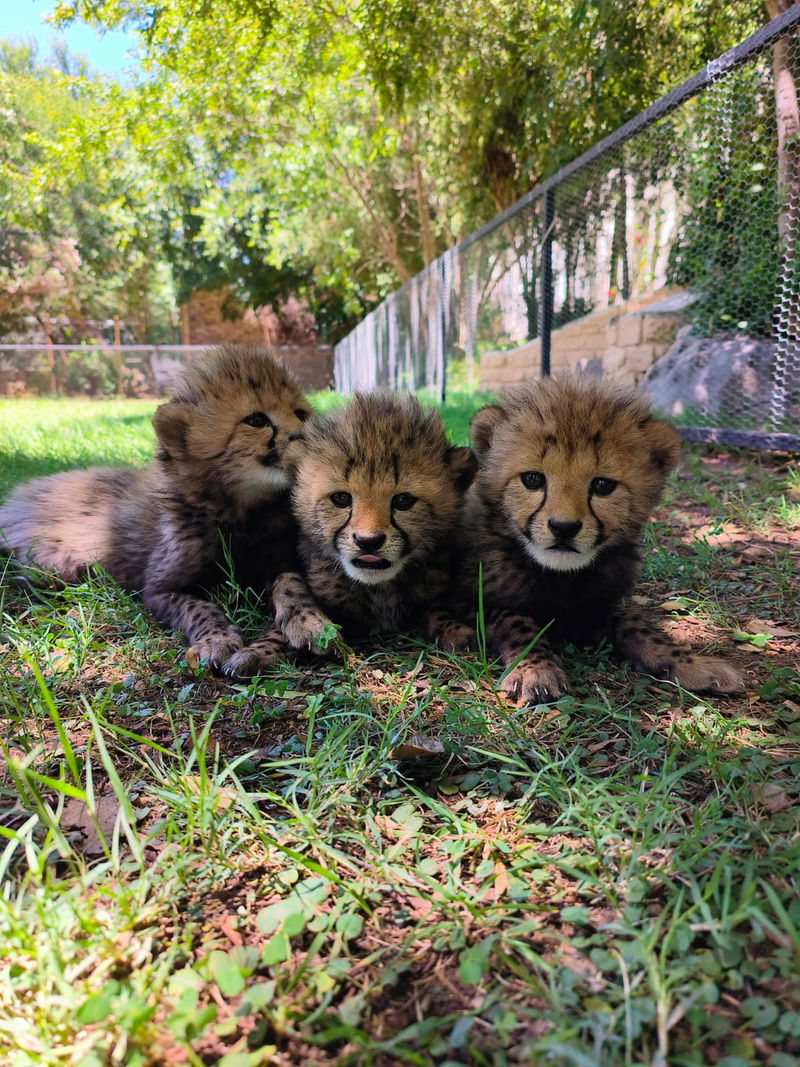
The most significant arrival came on 18 November, when Uzuri, a six-year-old cheetah, gave birth to three healthy cubs. This birth holds special importance for global cheetah conservation, as Uzuri’s bloodline forms part of carefully managed international breeding programmes designed to protect genetic diversity in a species facing ongoing decline.
The cubs, named Afrika, Aston and Amandla, are still very young, but their individual personalities are already emerging. Afrika, a female cub, is the most outspoken of the trio. Curious, confident and full of energy, she has quickly become known for her bold nature. Her name honours the continent that shaped the cheetah and reflects resilience and strength. Aston, also female, is the gentle heart of the group. Soft-natured and affectionate, she brings a calm presence, her name meaning awe inspiring and remarkable. Amandla, the only male cub, is the quiet soul of the trio. Relaxed and content, he is often found sleeping while his sisters explore. His name, drawn from isiZulu and isiXhosa, speaks to strength, power and resilience rooted in African heritage.
Together, these cubs represent far more than a heartwarming milestone. They are a meaningful contribution to the long-term survival of one of Africa’s most iconic species.
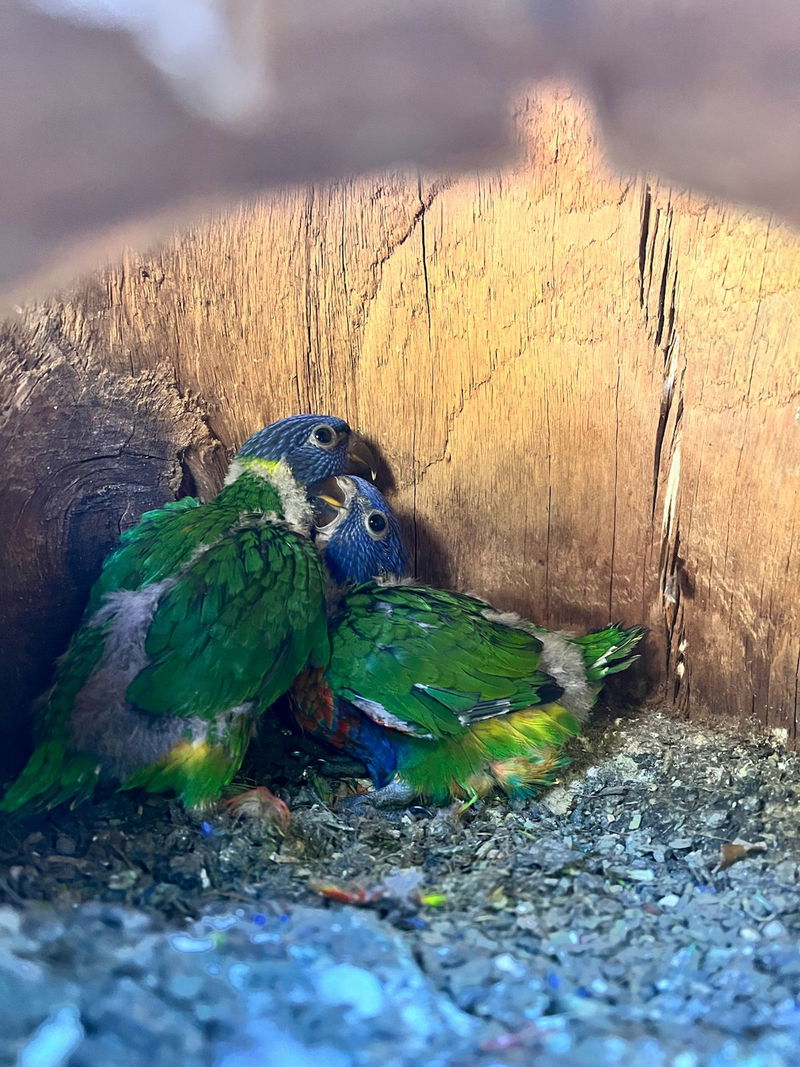
In the aviaries, two Rainbow Lorikeet chicks recently hatched and remain safely tucked away in their nest box. At this early stage, their world is intentionally small and centered around their parents, who continue to feed and raise them attentively. Keepers remain deliberately hands off, conducting only essential checks to ensure healthy development. Disturbance at this stage can lead to nest abandonment, making patience and restraint critical. For now, these hatchlings remain out of sight, growing stronger each day.
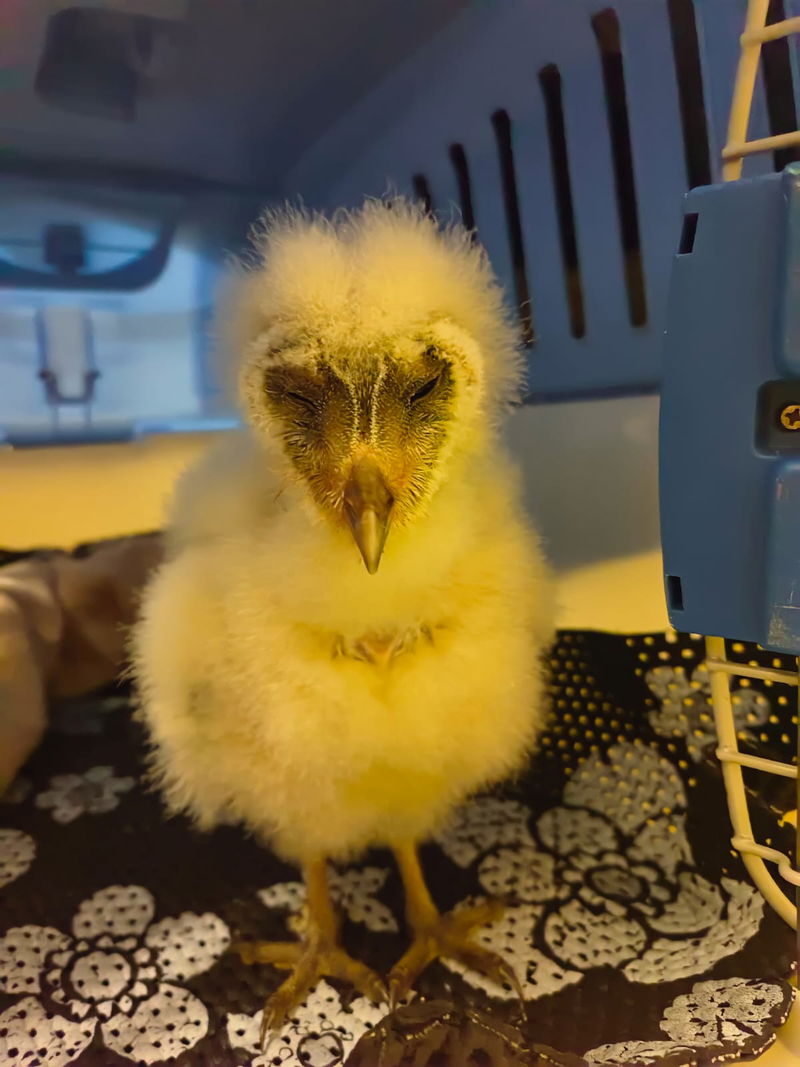
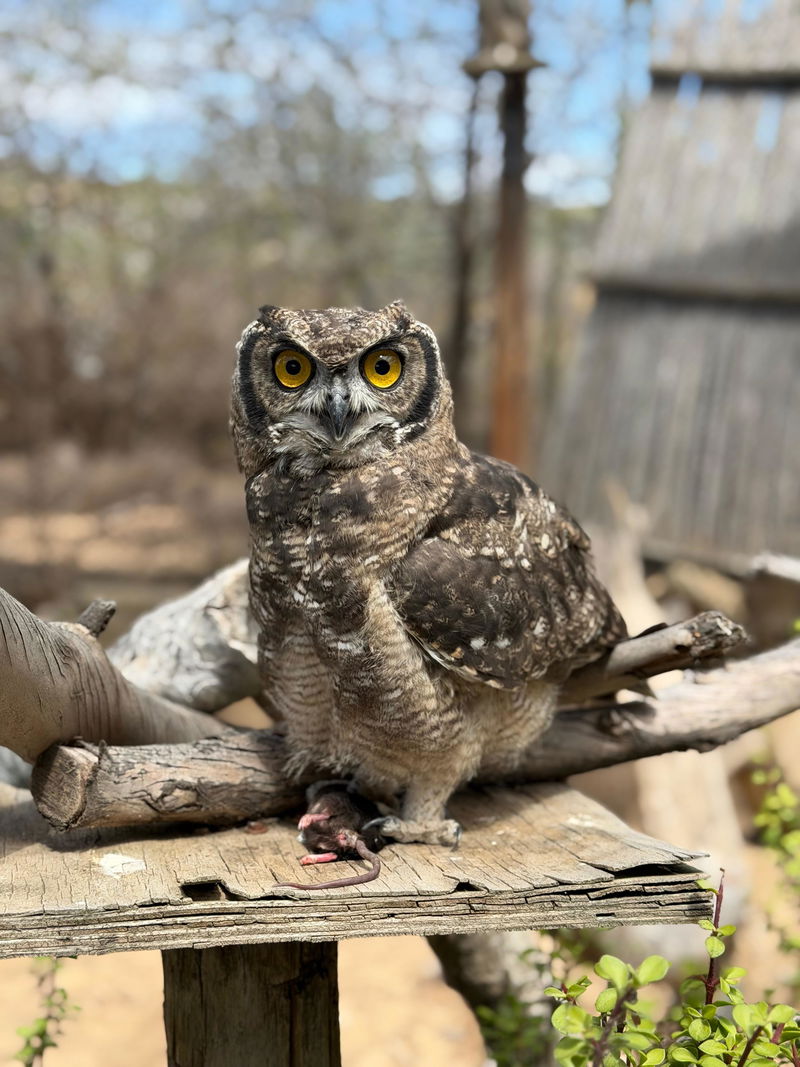
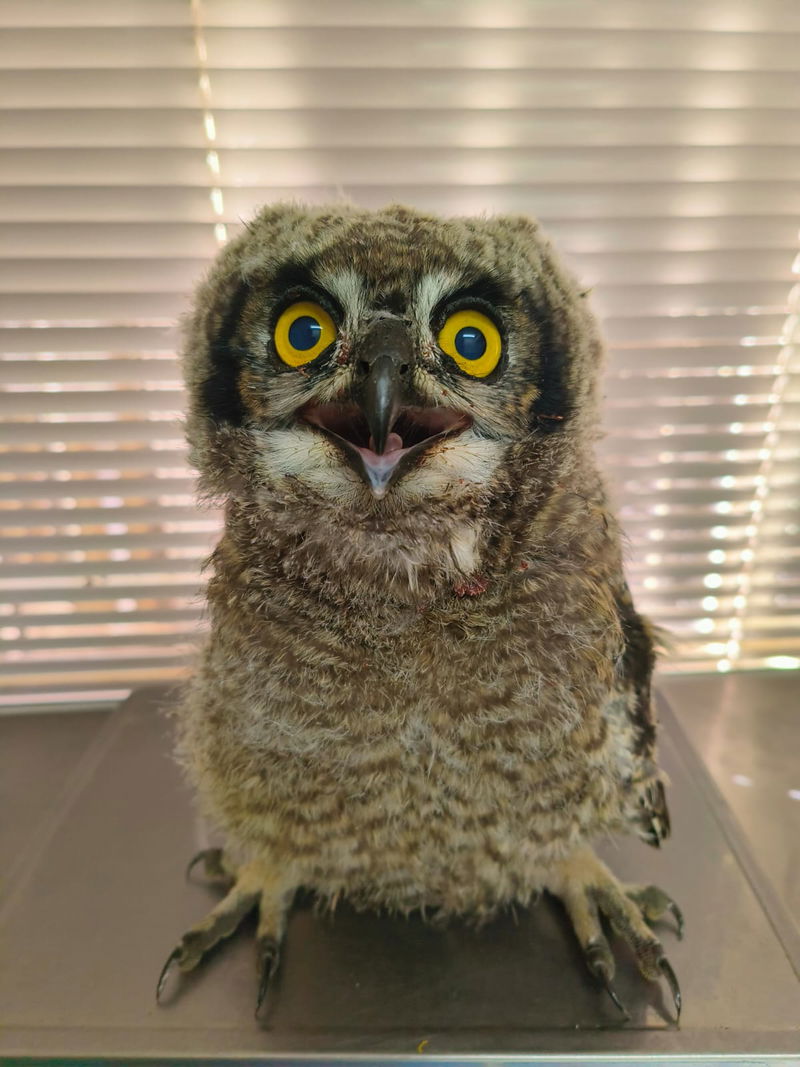
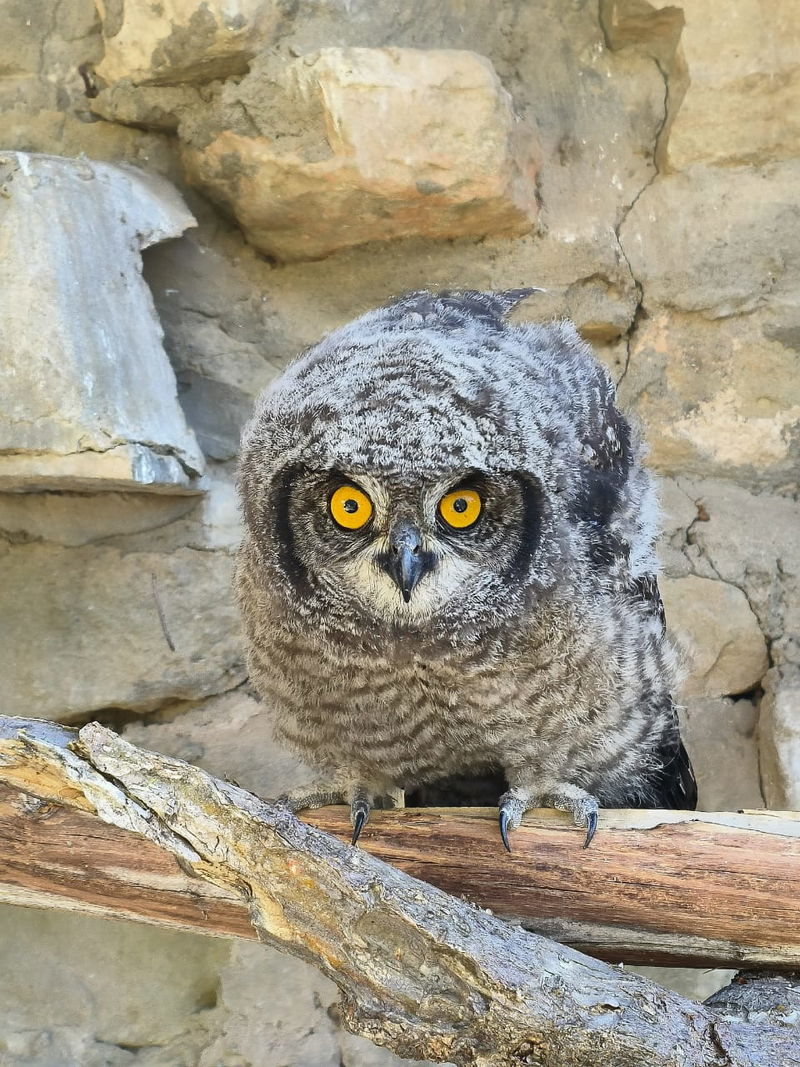
Owl season arrived slightly later than usual this year, bringing four young owls into care. Two arrived in October and two in November, including three Spotted Eagle Owls and one Barn Owl. All four were between three and four weeks old and were found grounded in various parts of Greater Oudtshoorn. Still too young to fly or survive independently, they were rescued by members of the public and brought to the Facility for rehabilitation.
The owlets responded well to care. The three Spotted Eagle Owls were housed together to build strength and confidence, while the Barn Owl, who arrived underweight, quickly regained condition and began feeding independently. All four have since been moved to our private reserve, where they will undergo flight conditioning in preparation for release once eligible.
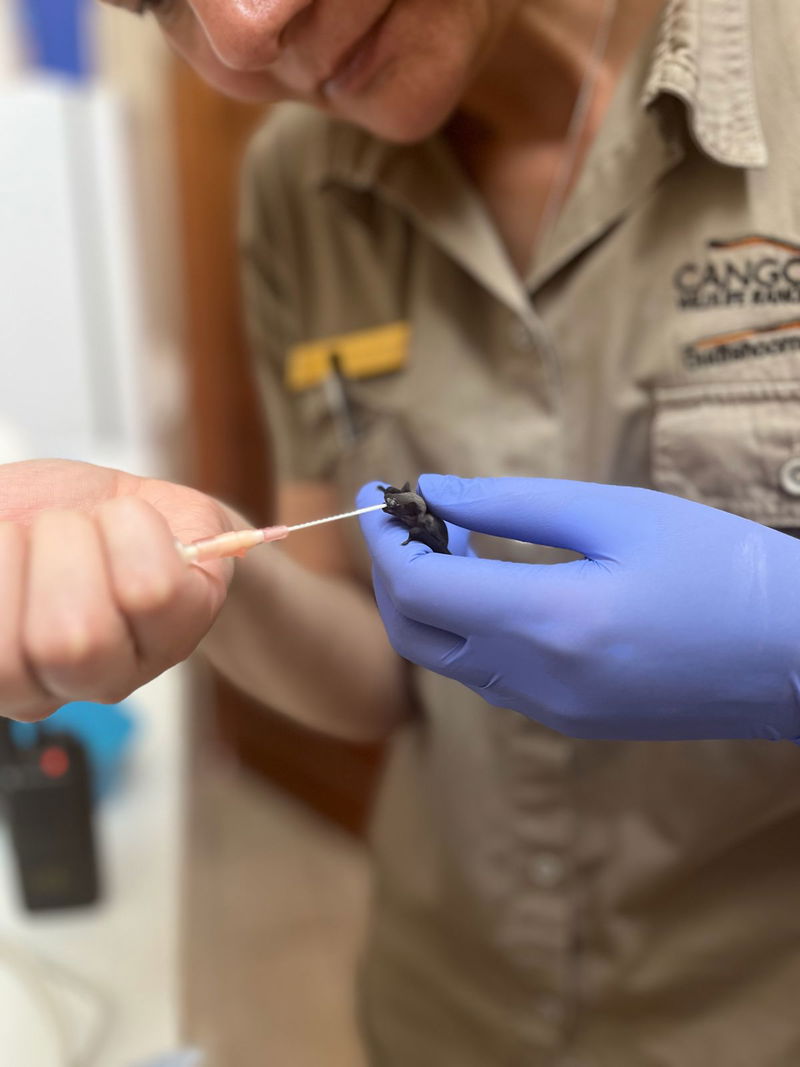
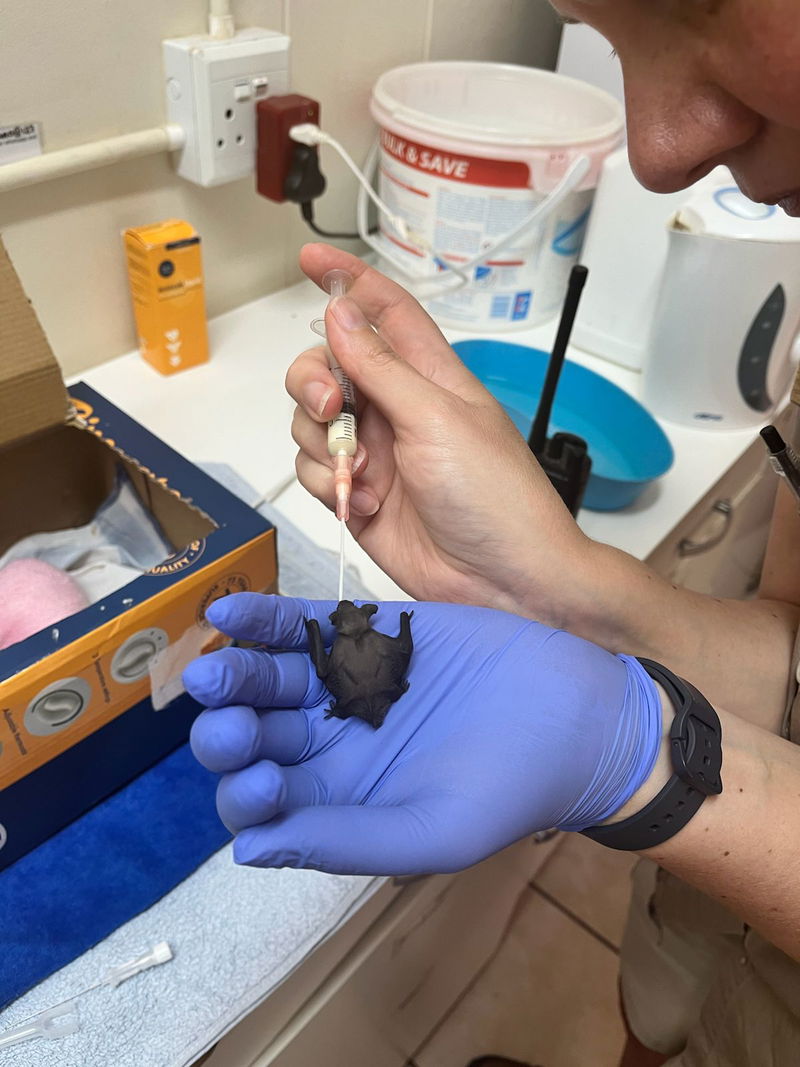
Among the most delicate rescues this season was a Cape Serotine bat brought in on 1 December after being carried into a home by a cat. Even the smallest puncture wound from a cat can be fatal due to bacteria, making immediate intervention essential. The bat weighed just one gram on arrival and was extremely weak. Care began with rehydration, followed by specialised bat milk formula fed every two hours, day and night. Kept warm and closely monitored, the bat gained strength rapidly.
Now weighing eight grams, he feeds every four to five hours and has begun eating small amounts of mealworm gut. In the coming weeks, he will begin practicing flight. Arrangements are underway with CapeNature and partner rehabilitation facilities to ensure he can move to a centre with larger flight areas when ready. Until then, he remains safely in our care.
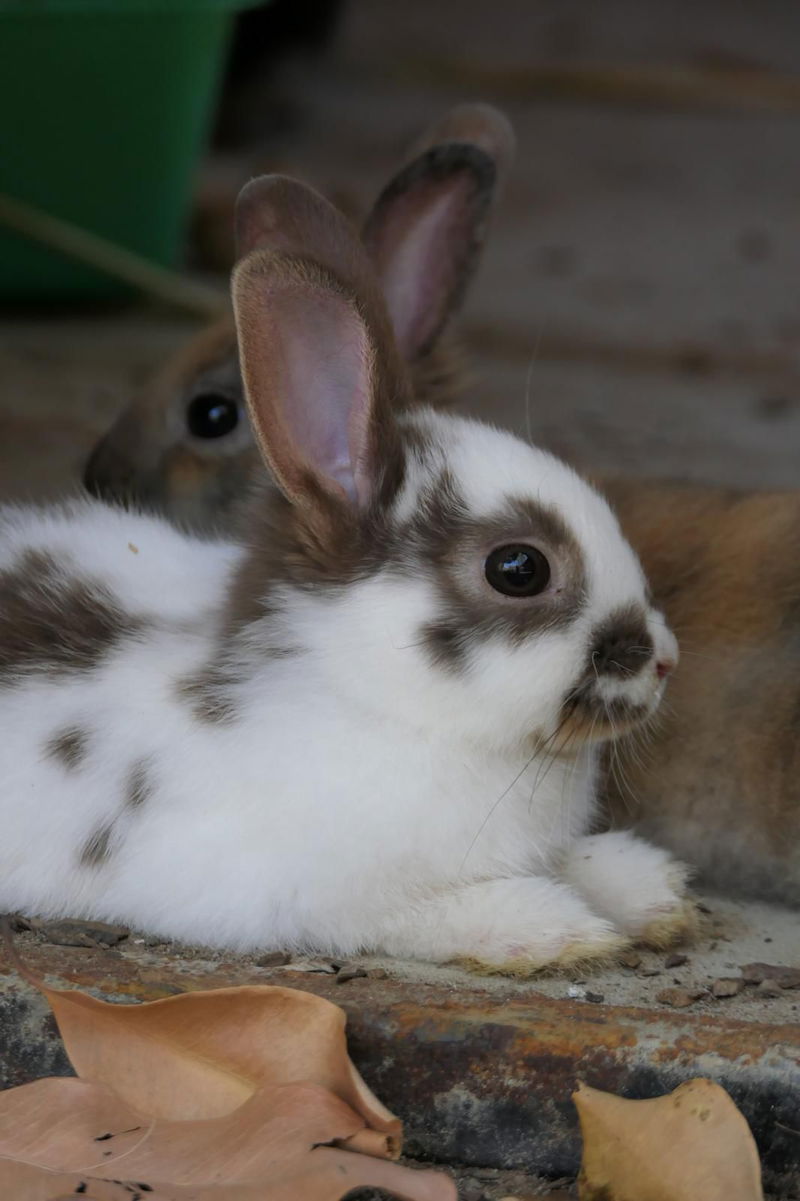
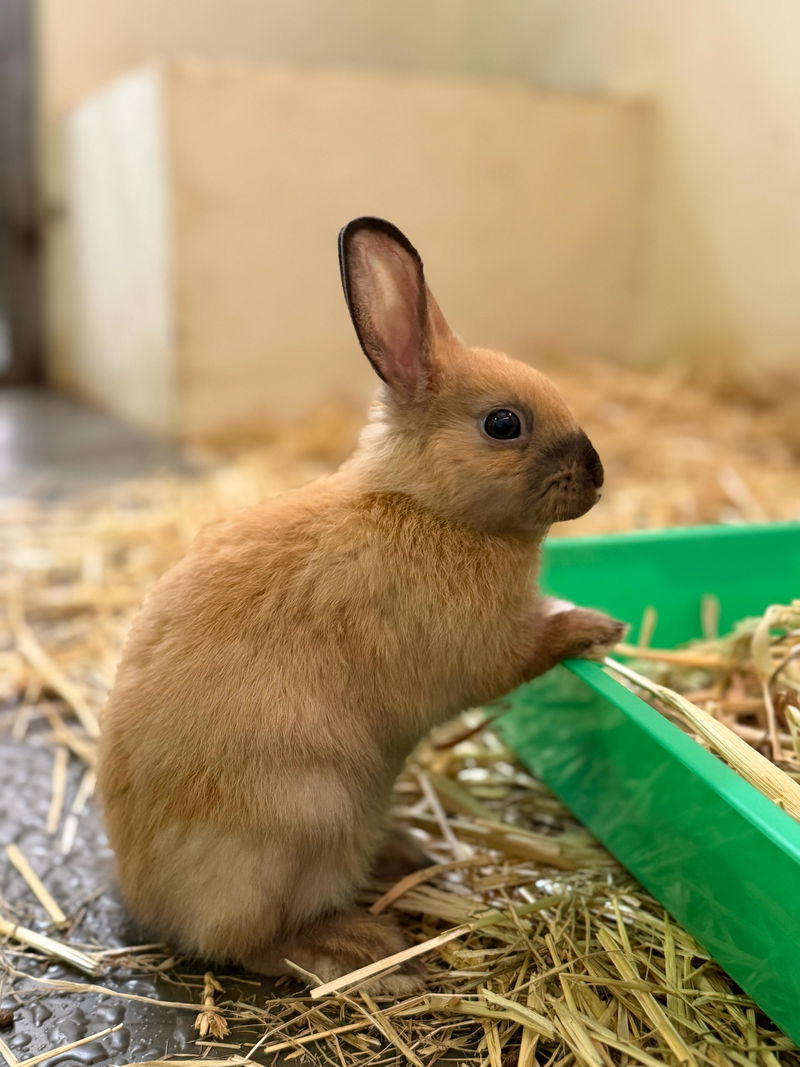
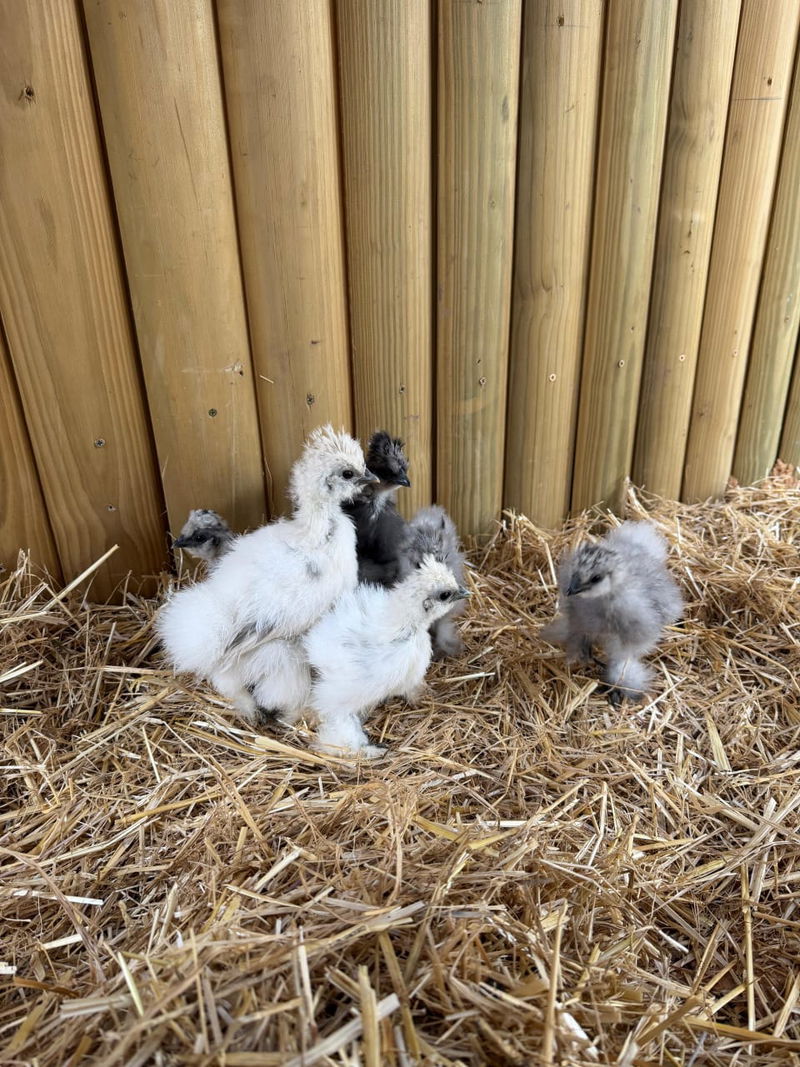
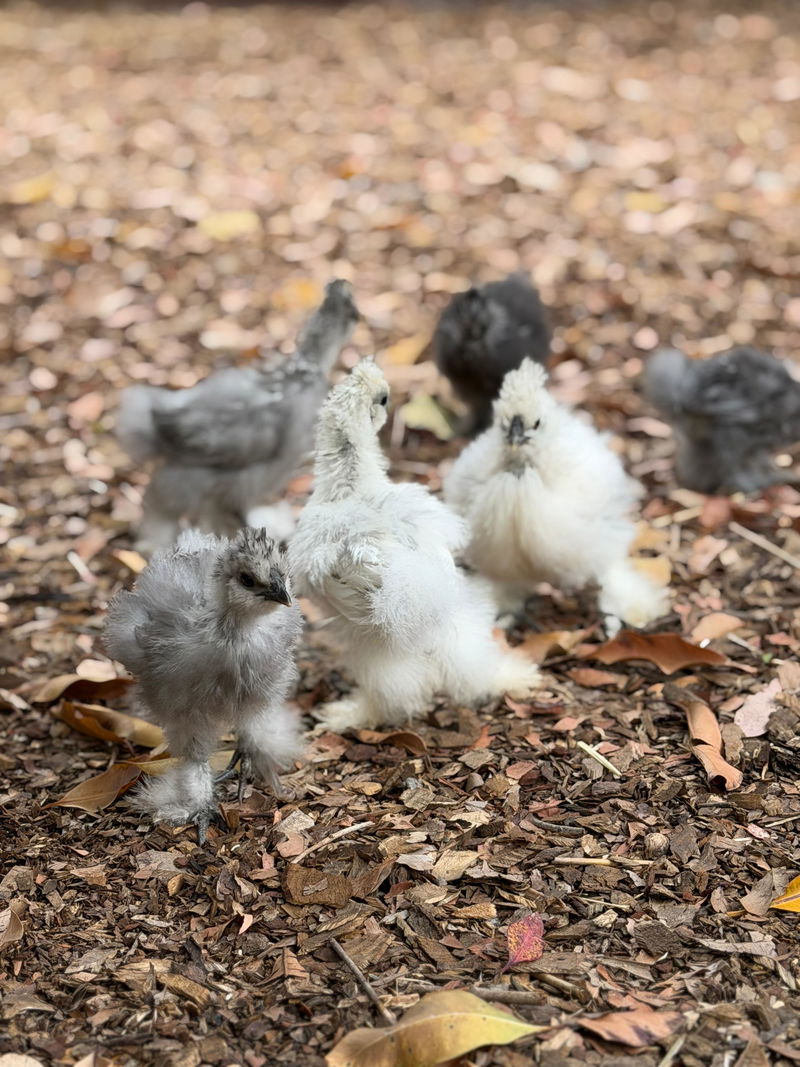
Rounding off this season of new beginnings are cheerful additions to the refreshed Farmyard area. Six young Silkie chickens have arrived and are already a delight to watch as they learn to dig and forage in their new home. They will soon share a mixed exhibit with six Netherland Dwarf Rabbits, whose gentle presence adds warmth and charm to the space. These animals can be seen alongside our sheep, Sage and Rosemary, in the enclosure near the newly opened Boa Cafe.
Boa Cafe, recognised by its striking snake artwork, carries a deeper meaning. The name stands for “because of animals”, a simple phrase that reflects the heart of everything we do. Every rescue, every birth and every second chance exists because of animals and the responsibility we carry to care for them.
As families reflect on the festive season, the arrivals across the Facility serve as a reminder that conservation is built on patience, care and hope. From globally significant cheetah cubs to tiny bats, owlets, hatchlings, chicks and rabbits, the past month has been a celebration of life and the quiet but powerful impact of conservation in action.
On behalf of our team and the animals in our care, we wish you a peaceful holiday season and a hopeful start to the year ahead, inspired by the new lives that continue to shape our work every day.
If you want, I can also tighten this slightly for newsletter layout or adapt it for web or press use without changing tone.
Share This Post
Latest News
-
 Changing the future of conservation
Thu January 29, 2026 -
 Together, We Can Reverse The Red
Thu January 29, 2026 -
 Kraaibosch - A Growing Legacy
Thu January 29, 2026 -
 Care, Recovery, Release - The Steppe Buzzard
Thu January 29, 2026 -
 A New Name, The Same Purpose
Thu January 29, 2026 -
 Choosing Ethics. Building Bridges. Coming Back.
Thu January 29, 2026 -
 A New Home At Last!
Fri December 26, 2025 -
 The Explorium: Where The Story of Cango Wildlife Comes Alive
Fri December 26, 2025 -
 A Season of New Beginnings
Fri December 26, 2025 -
 Built With Purpose
Fri December 26, 2025
Further Reading
Changing the future of conservation
Thu January 29, 2026
Read This Article
Together, We Can Reverse The Red
Thu January 29, 2026
Read This Article
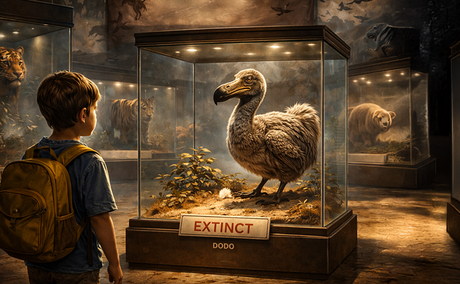
The Dodo once walked freely on the island of Mauritius. With no natural predators, it had no reason to fear humans. Within less than a century of human arrival, it was gone. Extinction is permanent. Once a species disappears, there is no recovery, no second chance, no future generations to protect. Every species on the Red List tells a story of pressure. Habitat loss. Human conflict. Climate stress. Decline that did not...
Kraaibosch - A Growing Legacy
Thu January 29, 2026
Read This Article
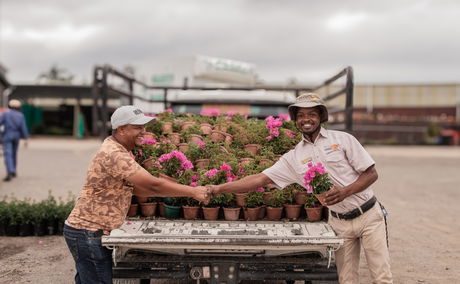
Some partnerships are built quietly and strengthened over time through consistency and shared purpose. Since 2018, Kraaibosch Nurseries in George has supported Cango Wildlife and the Cheetah Preservation Foundation as a benefactor. Their ongoing contributions help sustain the day to day work of conservation, from animal care and veterinary treatment to habitat management and long term programmes focused on threatened species, including cheetahs and other vulnerable wildlife in our care.
Share This Post