

In early December, a male bat weighing just 1 gram arrived at Cango Wildlife after being attacked by a cat and brought in by a concerned member of the public. At that weight, he fit easily into the palm of a hand. Fragile. Silent. Fighting for survival long before he reached our care. Whenever wildlife has contact with a cat, immediate veterinary care is essential. Cat saliva carries bacteria that can be...
Changing the future of conservation
Posted on Thu January 29, 2026.
For a conservation organisation based in Oudtshoorn, moments like this do not come often. And when they do, they are worth pausing for.
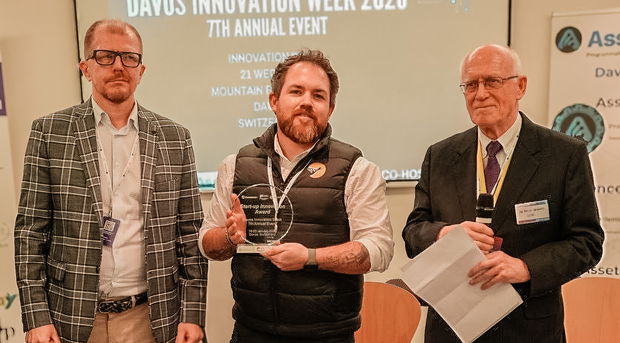
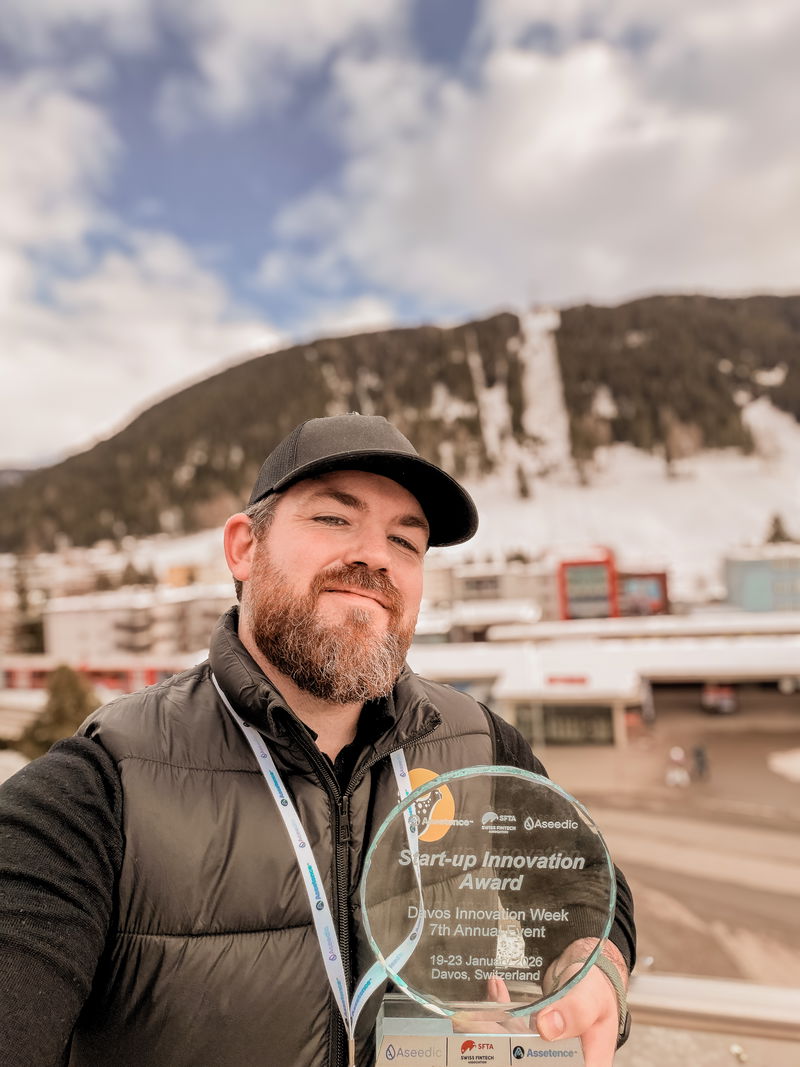
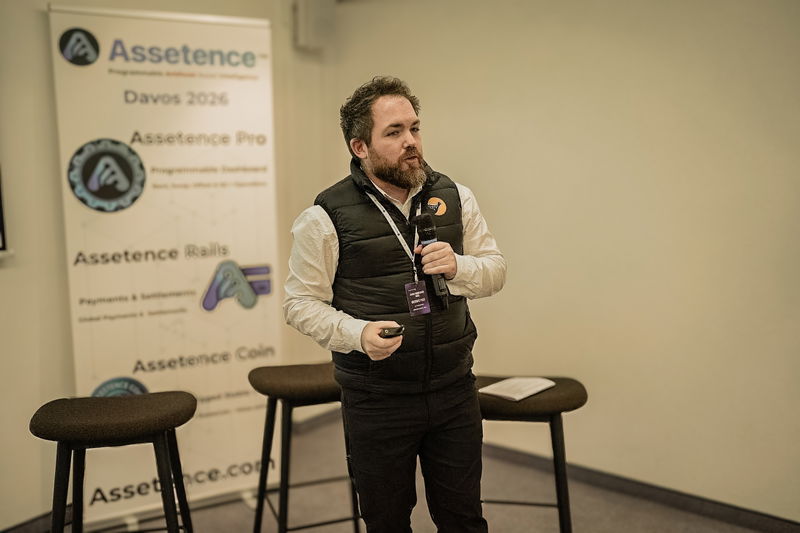
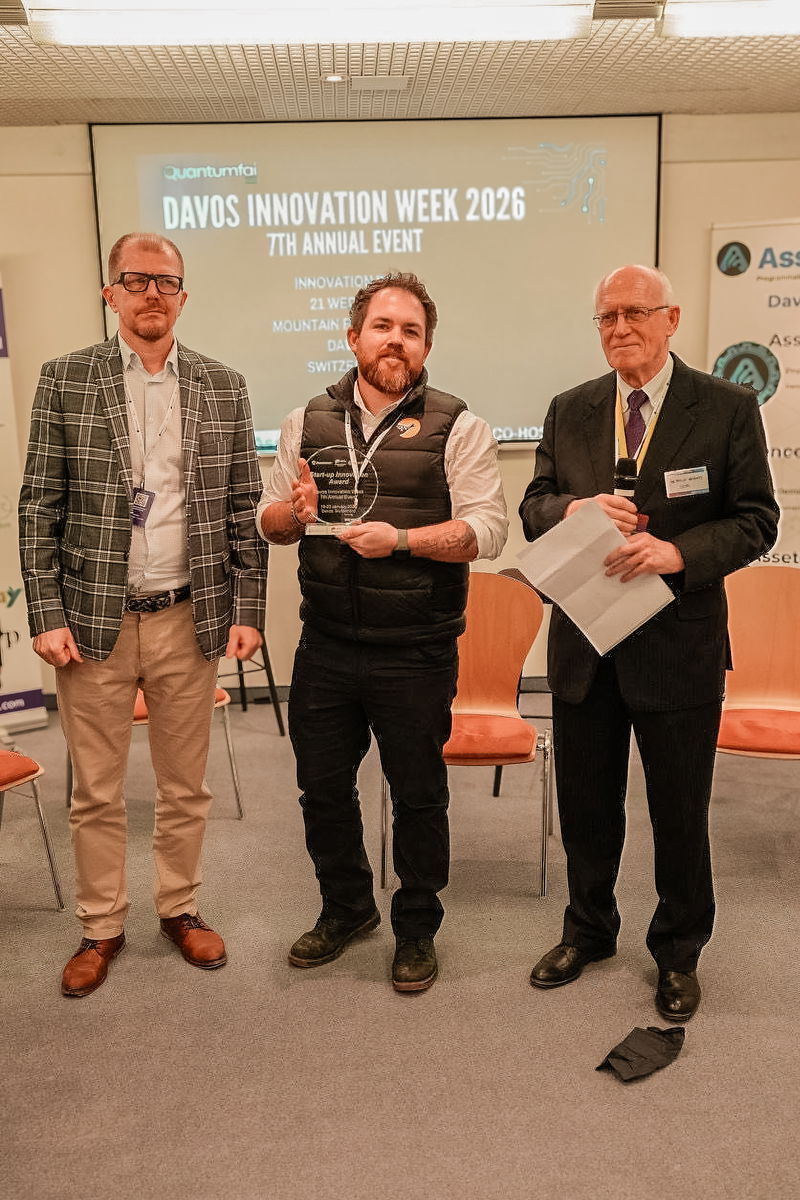
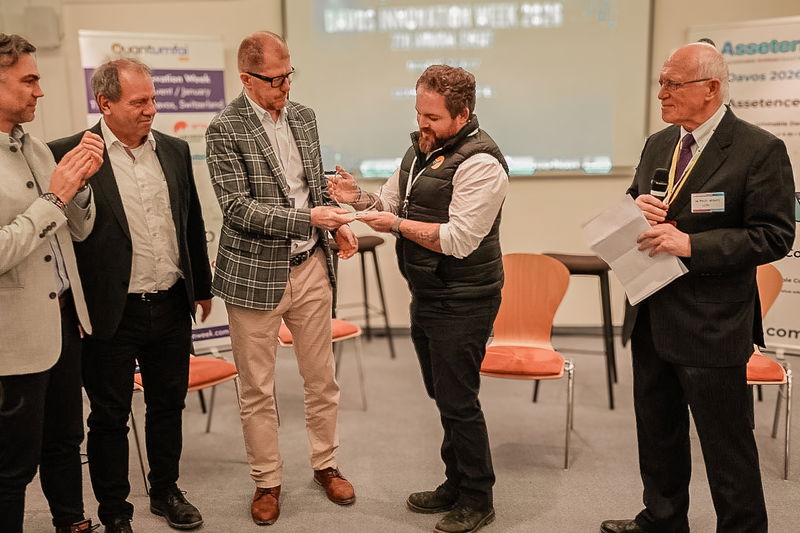
This year, a South African conservation technology project founded by our CEO, Douglas Eriksen, was recognised on the global stage at the World Economic Forum in Davos. Project ZOA, or Zoological Open Architecture, was awarded the Startup Innovation Award for Top AI Sustainability Project during Davos Innovation Week 2026.
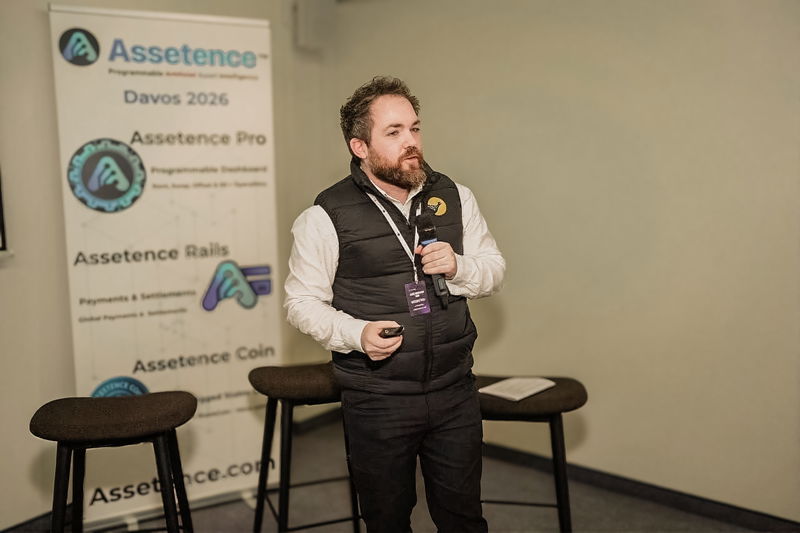
Project ZOA was founded in South Africa and presented in Davos by Douglas himself. Alongside leading policymakers and technology investors from around the world, the project brought conservation into conversations where it has not always been present.
At Cango Wildlife, conservation is not theoretical. It is lived daily, through animal care, habitat management, and long term commitment to threatened species. That lived experience sits at the heart of Project ZOA’s work.
“We are living through an unprecedented era of technological change,” said Eriksen. “Artificial intelligence is reshaping how decisions are made. But when those systems do not understand nature, the consequences can be serious.”
As artificial intelligence increasingly influences decisions around land use, infrastructure, finance, and development, the natural world is often poorly represented in the data guiding those decisions. Project ZOA exists to address that gap.
The project is developing the Ecological Intelligence Dataset, known as EID. The dataset transforms real, verified observations of wildlife and ecosystems into information that artificial intelligence systems can accurately read, compare, and use. The goal is simple. To ensure that nature is visible in systems shaping the future.
Project ZOA was presented at the largest World Economic Forum gathering to date and recognised among global innovation leaders. It stands as a reminder that conservation knowledge has a role to play far beyond traditional spaces.
The initiative is a partnership between Cango Wildlife, technology company Zindalo, and Wits Enterprise, the research commercialisation arm of the University of the Witwatersrand. Cango Wildlife serves as the zoological infrastructure anchor for the project’s data collection and verification systems, grounding the work in real world conservation practice.
For us, this recognition is more than an award. It reflects what becomes possible when conservation experience, responsibility, and innovation come together.
It is a moment of pride. And a reminder that the work done here, every day, has relevance and impact far beyond our facility.
Share This Post
Latest News
-
 From 1 Gram To The Night Sky
Thu February 26, 2026 -
 When Conservation Meets Celebration
Thu February 26, 2026 -
 Rooted In Restoration
Thu February 26, 2026 -
 From 5cm To Freedom
Thu February 26, 2026 -
 A Second Chance For A Porcupette
Thu February 26, 2026 -
 Forty Years - Forty Percent
Thu February 26, 2026 -
 Knysna Dwarf Chameleon In Oudtshoorn
Thu February 26, 2026 -
 Community Clean Up
Thu February 26, 2026 -
 Small Contributions, Lasting Impact
Thu February 26, 2026 -
 Welcoming Our Academy Students Of 2026
Thu February 26, 2026
Further Reading
From 1 Gram To The Night Sky
Thu February 26, 2026
Read This Article
When Conservation Meets Celebration
Thu February 26, 2026
Read This Article
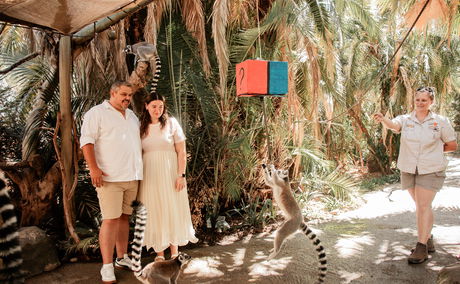
On the first of February, Monique and Rouan Engelbrecht chose to celebrate one of life’s most meaningful milestones in a way that reflected their values. They hosted a conservation conscious gender reveal at Cango Wildlife.
Rooted In Restoration
Thu February 26, 2026
Read This Article
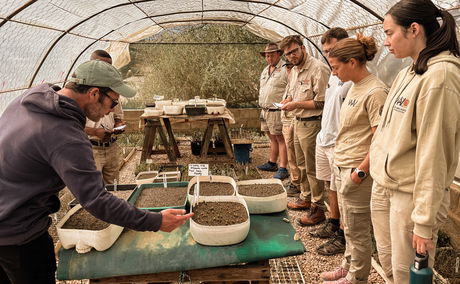
At Cango Wildlife, conservation isn’t something we only talk about; it’s something we’re constantly trying to refine, improve, and live out in practical ways. That includes looking inward: examining how we manage our own environmental footprint, how we treat and restore the land we steward, and how we align our practices with the bigger global sustainability framework - from South Africa’s climate goals to the guiding principles of UN-aligned sustainability and the...
Share This Post