

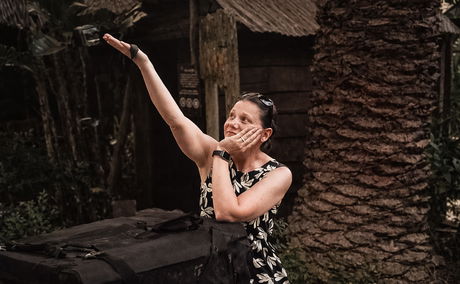
In early December, a male bat weighing just 1 gram arrived at Cango Wildlife after being attacked by a cat and brought in by a concerned member of the public. At that weight, he fit easily into the palm of a hand. Fragile. Silent. Fighting for survival long before he reached our care. Whenever wildlife has contact with a cat, immediate veterinary care is essential. Cat saliva carries bacteria that can be...
Rooted In Restoration
Posted on Thu February 26, 2026.
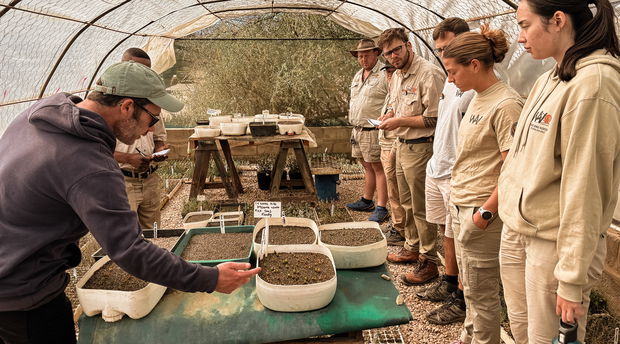
At Cango Wildlife, conservation isn’t something we only talk about; it’s something we’re constantly trying to refine, improve, and live out in practical ways. That includes looking inward: examining how we manage our own environmental footprint, how we treat and restore the land we steward, and how we align our practices with the bigger global sustainability framework - from South Africa’s climate goals to the guiding principles of UN-aligned sustainability and the standards encouraged across the zoo and aquarium world through organisations such as WAZA.
With that in mind, a group of staff, students, and volunteers recently took a trip outside Oudtshoorn to learn directly from one of the most respected restoration nurseries in the region: Renu-Karoo, based in the town of Prince Albert.
A nursery with a purpose far bigger than plants.
Renu-Karoo isn’t your average nursery. It’s a veld restoration nursery founded in 2008 by ecologists Prof. Sue Milton-Dean and the late Dr. Richard Dean - internationally recognised experts in Karoo plant ecology. Their mission is both simple and profound: to assist in the restoration of damaged Karoo veld by propagating indigenous species and helping people understand what’s at stake when landscape is degraded.
Renu-Karoo operates with a strong nature-first ethos; no artificial fertilisers, no pesticides, a focus on water wise, low-maintenance, biodiversity-supporting Karoo gardens, propagation of over 500 Karoo plant species, many of them highly specialised and increasingly threatened.
It’s also part of the Wolwekraal Nature Reserve, meaning their work doesn’t exist in isolation as it’s tied directly to the living landscape they’re working to protect.
 A scenic journey, and a serious reality check.
We travelled to Prince Albert taking the long, scenic route over Swartberg Pass, one of the Karoo’s most beautiful destinations, where the scenery forces you to slow down and remember just how dramatic and ancient this landscape really is. On arrival, we met Prof. Milton-Dean at Renu-Karoo’s commercial nursery.
Before we had even finished stretch our legs after the drive, she did what great educators often do: she got us moving. We were taken just outside town to their conservation nursery, where the real story begins. From the outset, it became clear that this visit wasn’t going to be a casual “look at some plants” experience.
It was a deep dive into Karoo ecology, conservation strategy, and the uncomfortable truth of what this floral kingdom is facing. Prof. Milton-Dean explained some of the issues they were actively working to overcome, including:
· Plant poaching and illegal collecting
· The creeping damage of climate change and long-term drought
· Pollution and environmental degradation
· The consequences of unchecked development
· The slow but serious unravelling of habitats many people assume are “tough enough to survive anything”
We learnt in no uncertain terms that the Karoo is resilient, but it is not invincible, and we need to learn more about it if we are to steward it effectively.
How Renu-Karoo restores what others overlook.
What impressed us most was how practical and grounded their restoration approach is. Yes, there were rare plants, propagation systems, growing tunnels, and seed storage strategies, but what stood out was the bigger message: restoration doesn’t have to be flashy to be effective.
Their work highlights that meaningful environmental repair often comes down to:
· understanding the right plant for the right place
· working with natural rainfall and runoff patterns
· using simple structures to protect seedlings
· patiently rebuilding ecosystems that regenerate on Karoo time - slower, harsher, and far less forgiving than most people expect.
For our own staff, this was highly valuable. Cango Wildlife is constantly working toward improving the sustainability and resilience of our gardens and planted spaces, and looking ahead, we want to be smarter and more intentional in how we cultivate indigenous plant life on our site. For our conservation student AJ, it was an opportunity to strengthen veld and ecology knowledge in a real-world setting, and for our international volunteers, it offered something equally important: connection to the Karoo beyond the animals at our facility, looking to the soil, the plants, and the subtle survival strategies that make this place what it is.
Seeing restoration in action at Wolwekraal.
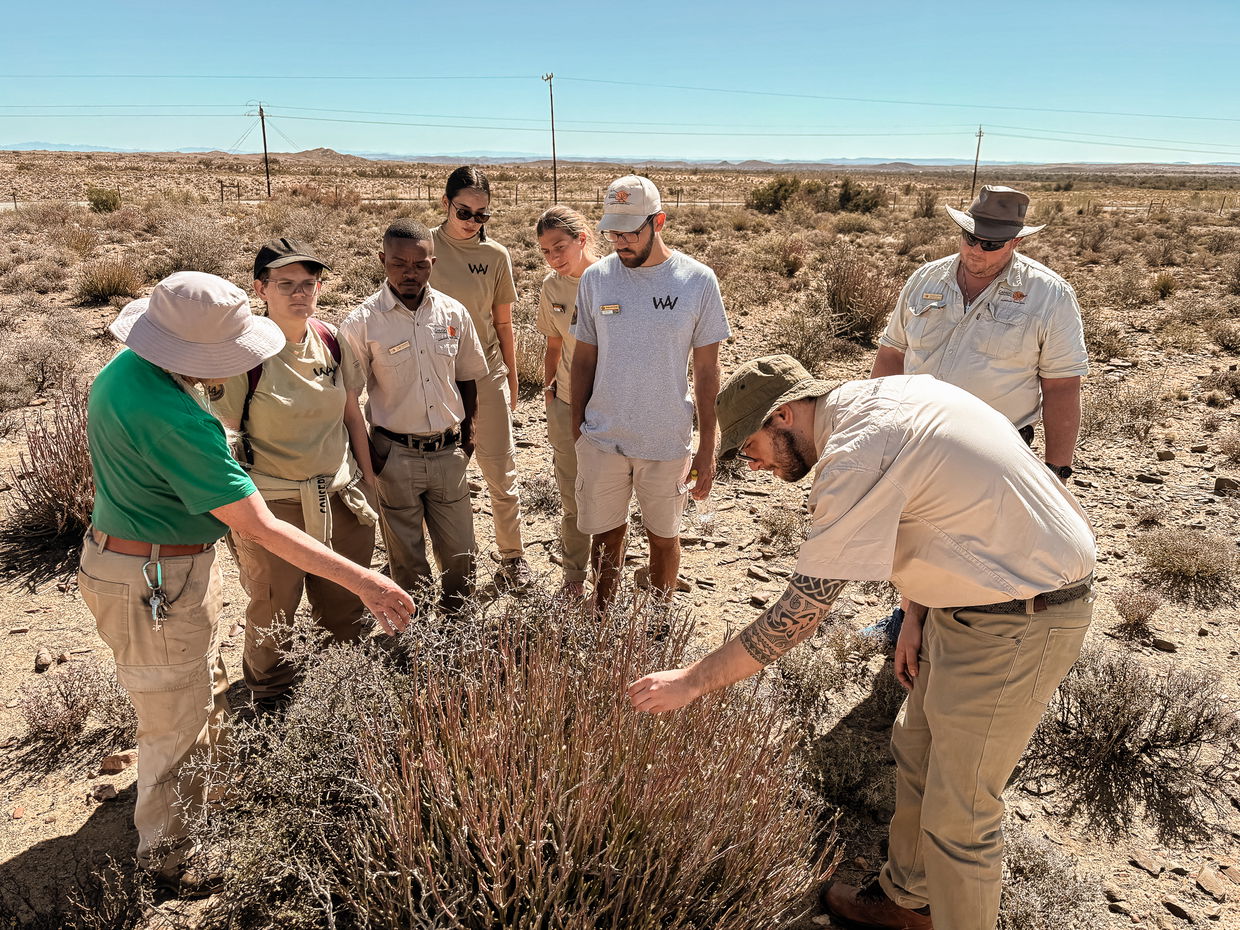
After exploring the nursery, we were taken on a guided walk through the Wolwekraal Nature Reserve, where we saw restoration principles applied in real veld conditions.
What becomes obvious when walking Wolwekraal is that the Karoo rewards attention. It’s a landscape of details - and once you learn what to look for, you start seeing complexity everywhere:
· different soil types within metres of each other
· microhabitats forming around rocks and slopes
· termite mounds shaping seed distribution
· plants storing water, resisting browsing, or surviving extremes through slow growth and clever adaptation
You don’t “walk through” the Karoo the same way after that. You start reading it.
What our team took home
 Assistant Maintenance Manager Jacques Coetzee came back with a grounded and practical takeaway - the kind of learning that immediately translates into action: He noted that we’re already doing well with composting using what we have but could improve further with the right equipment.
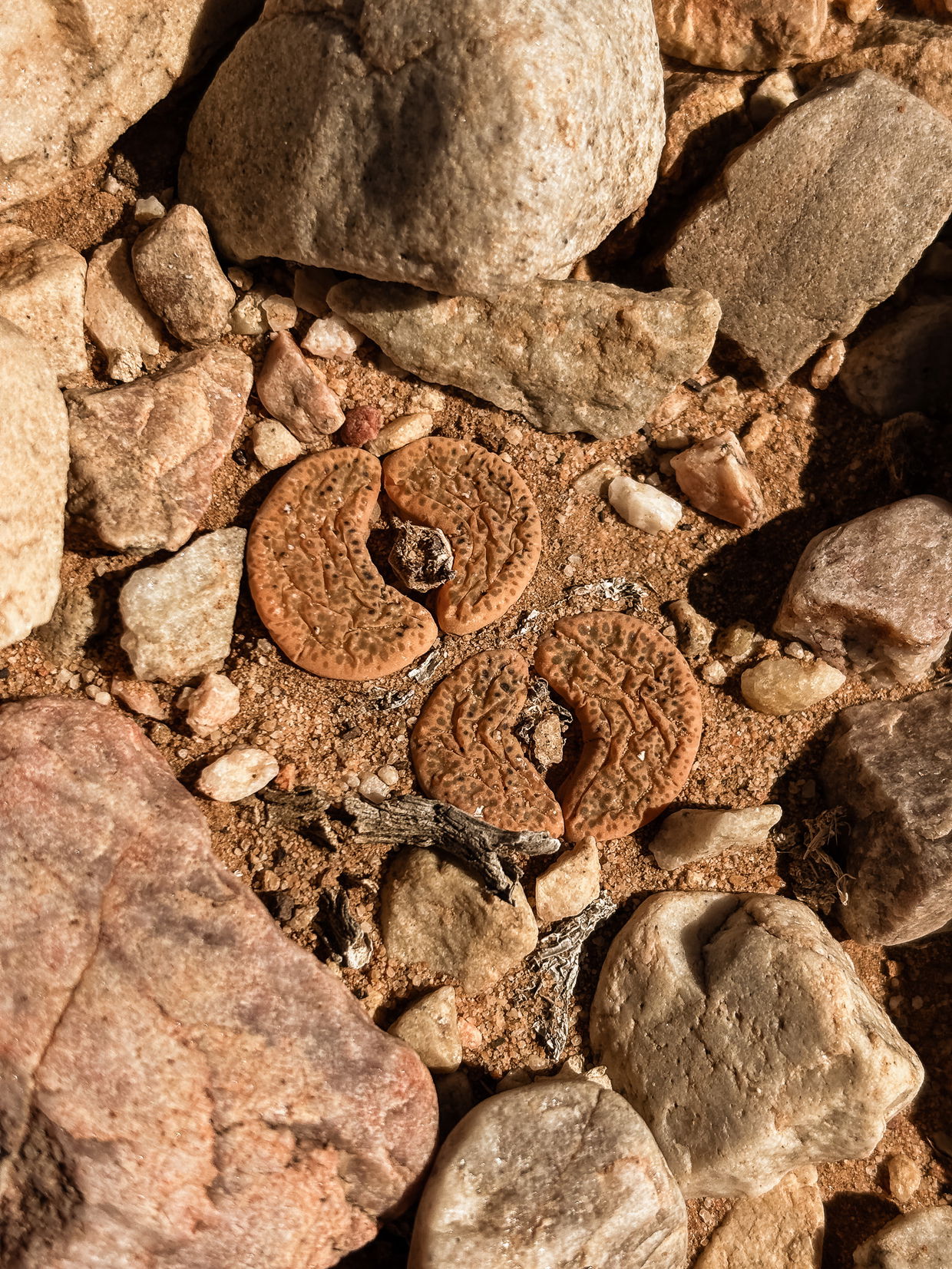
He also appreciated the reminder that effective growing doesn’t require expensive infrastructure and was struck by just how many endangered plants exist in the Karoo, quietly at risk. But his highlight was something beautifully simple: seeing a lithops (living stone) in its natural habitat.
Not in a pot or a photograph but embedded in the landscape exactly as evolution designed it. And in a moment that could apply to almost any conservation space, Jacques also pointed out something that matters deeply for our own reserve: the land holds stories, but you have to get down to ground level to see them. Even an area you walk through every day can still be full of surprises waiting for attention.
Our Wildlife Guardian, Yulan Kuyler offered a more reflective perspective, and in many ways captured the spirit of why we went in the first place: He was deeply struck by how much impact a small, passionate group can have - not only conserving plants but helping people understand their history and their value.
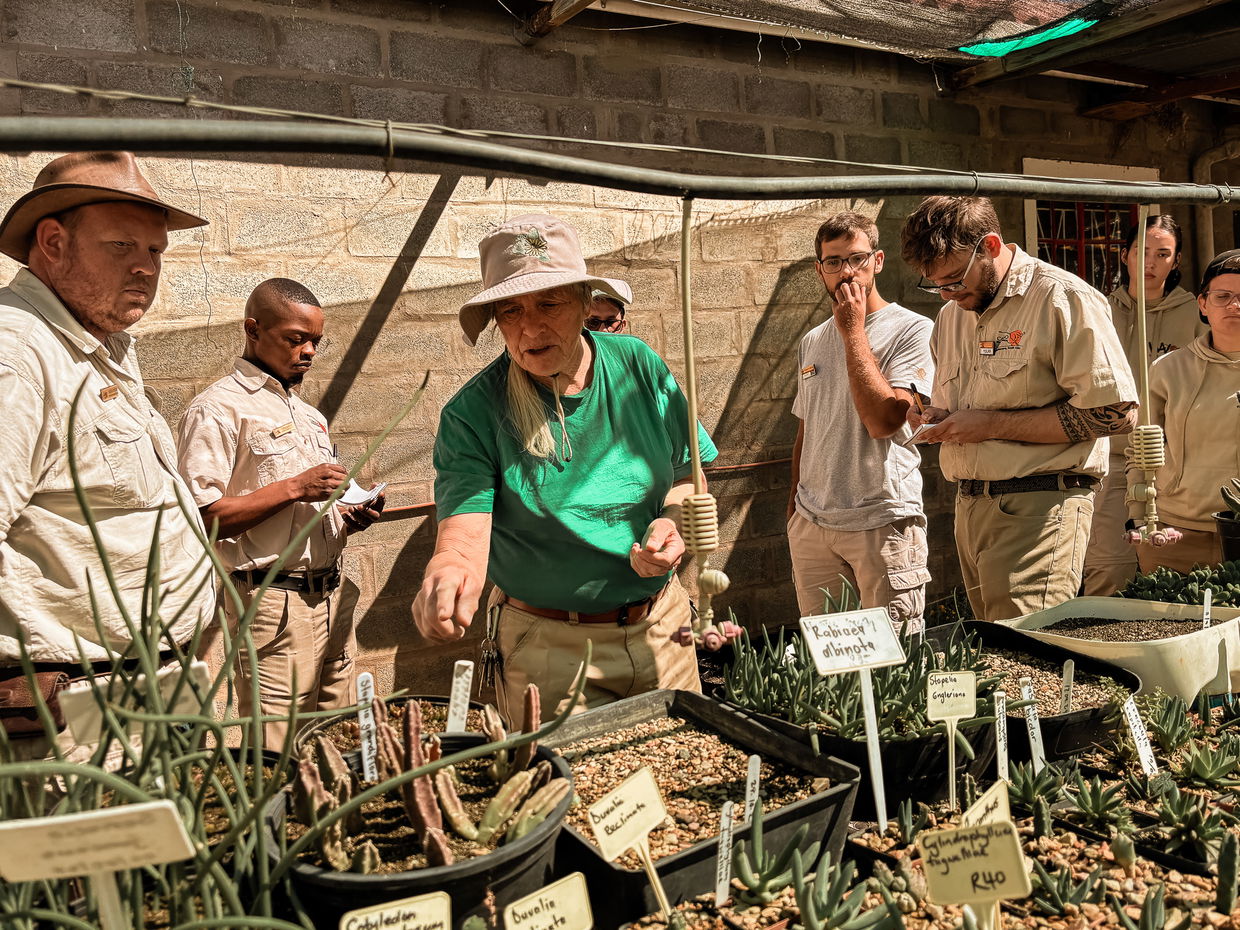 He spoke about learning how intricate Karoo horticulture really is: the way different soils and mixtures are used for different plants, and how growing methods often mirror nature rather than forcing it. One fascinating realisation for him was discovering that all cacti are invasive alien species in South Africa, a plant that many people assume must be “natural” simply because it thrives here. But perhaps most importantly, the walk through Wolwekraal sparked a bigger thought: that landscape and history are inseparable.
From evidence of earlier human presence, such as burned ostrich eggshell fragments, clay pieces potentially thousands of years old, stone tools and artefact traces, to the way flora and fauna shape what survives, what disappears, and what remains hidden.
Yulan’s takeaway for our own reserve was powerful: now that we know what to look for, walking the Cango Wildlife Private Reserve will never feel the same. It becomes a place not only for biodiversity monitoring, but for discovery, ecological and historical.
As he put it, there may be many mysteries on our reserve still waiting to be unearthed, and this visit gave us a foundation to start noticing them.
Ending the day the way the Karoo deserves
After an intense and inspiring day, we travelled home via the breathtaking Meiringspoort Pass with dusty shoes, full heads, and that unique feeling you get after learning something real: not just information, but perspective. This excursion reminded us that conservation isn’t only about protecting animals, it’s about protecting systems. It’s about plants, soil, water, habitat, history, and the hidden details that hold an ecosystem together.
And it reinforced something we already believe deeply at Cango: If we want to do conservation properly, we need to keep learning - from experts, from landscapes, and from people who have dedicated their lives to doing the quiet, vital work of restoration. A sincere thank you to Prof. Sue Milton-Dean and the Renu-Karoo team for their generosity, their time, and the example they set. We return to Cango better informed, more inspired, and more committed than ever to making our sustainability efforts meaningful, not only in principle, but in practice.
Share This Post
Latest News
-
 From 1 Gram To The Night Sky
Thu February 26, 2026 -
 When Conservation Meets Celebration
Thu February 26, 2026 -
 Rooted In Restoration
Thu February 26, 2026 -
 From 5cm To Freedom
Thu February 26, 2026 -
 A Second Chance For A Porcupette
Thu February 26, 2026 -
 Forty Years - Forty Percent
Thu February 26, 2026 -
 Knysna Dwarf Chameleon In Oudtshoorn
Thu February 26, 2026 -
 Community Clean Up
Thu February 26, 2026 -
 Small Contributions, Lasting Impact
Thu February 26, 2026 -
 Welcoming Our Academy Students Of 2026
Thu February 26, 2026
Further Reading
From 1 Gram To The Night Sky
Thu February 26, 2026
Read This Article
When Conservation Meets Celebration
Thu February 26, 2026
Read This Article
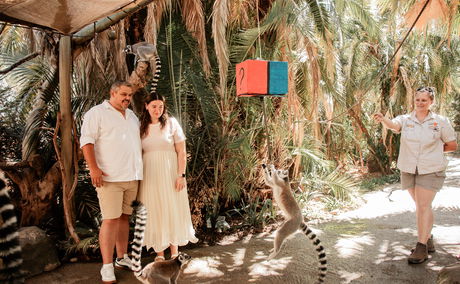
On the first of February, Monique and Rouan Engelbrecht chose to celebrate one of life’s most meaningful milestones in a way that reflected their values. They hosted a conservation conscious gender reveal at Cango Wildlife.
From 5cm To Freedom
Thu February 26, 2026
Read This Article
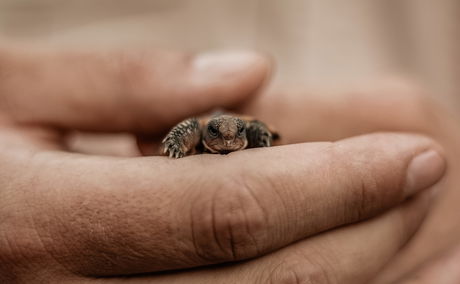
Meet one of our smallest recent rescues, an Angulate Tortoise hatchling measuring just 5 centimetres in length. At the time of arrival, he was estimated to be around one week old. He was found near a residential area and brought to Cango Wildlife by a concerned member of the public. At this early stage, the signs of recent hatching were still visible. The egg tooth remained on the tip of the beak....
Share This Post