

In early December, a male bat weighing just 1 gram arrived at Cango Wildlife after being attacked by a cat and brought in by a concerned member of the public. At that weight, he fit easily into the palm of a hand. Fragile. Silent. Fighting for survival long before he reached our care. Whenever wildlife has contact with a cat, immediate veterinary care is essential. Cat saliva carries bacteria that can be...
From Blueprints to Branches
Posted on Thu June 5, 2025.
How Retired Architect Joseph Zwick left a lasting mark at Cango Wildlife Ranch, Oudtshoorn — June 2025
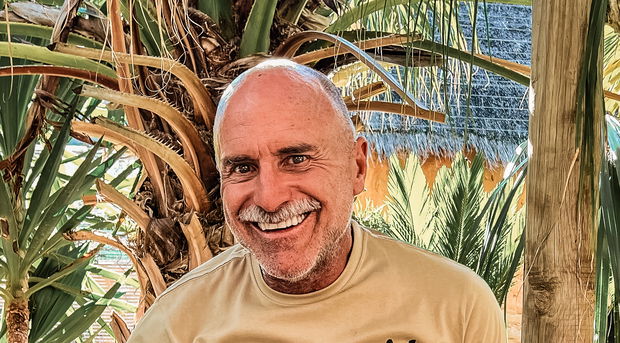
Conservation is often powered by passionate volunteers — and every so often, one leaves behind a legacy that echoes long after they’ve gone. This past May, retired architect Joseph Otto Zwick spent three weeks enriching the lives of lemurs, aviary birds, and staff alike during his stay as part of the Wild Animal Volunteers program.
Originally from Quincy, Illinois and now based in Southern California, Joseph brought more than goodwill. With a family history rooted in German craftsmanship and design, he arrived with a lifetime of architectural experience, a creative mind, a plethora of Artistic skills, a deep love for wildlife, and an eagerness to contribute meaningfully in his retirement years.
 One of his first projects was an enrichment hammock for the Brown Lemurs — repurposing old firehoses, plastic tubing, and rope. Though the first attempt left his hands worse for wear, the lemurs were pleased, and Joseph was inspired to continue. Using recycled materials and his sharp design eye, he went on to build elevated rope swings, trapezes, and hammocks — all strategically placed to catch maximum sunlight for the lounging lemurs.
“Designing for animals isn’t all that different from people,” he said with a smile. “You assess their needs, study their behavior, and build around their comfort and joy.”
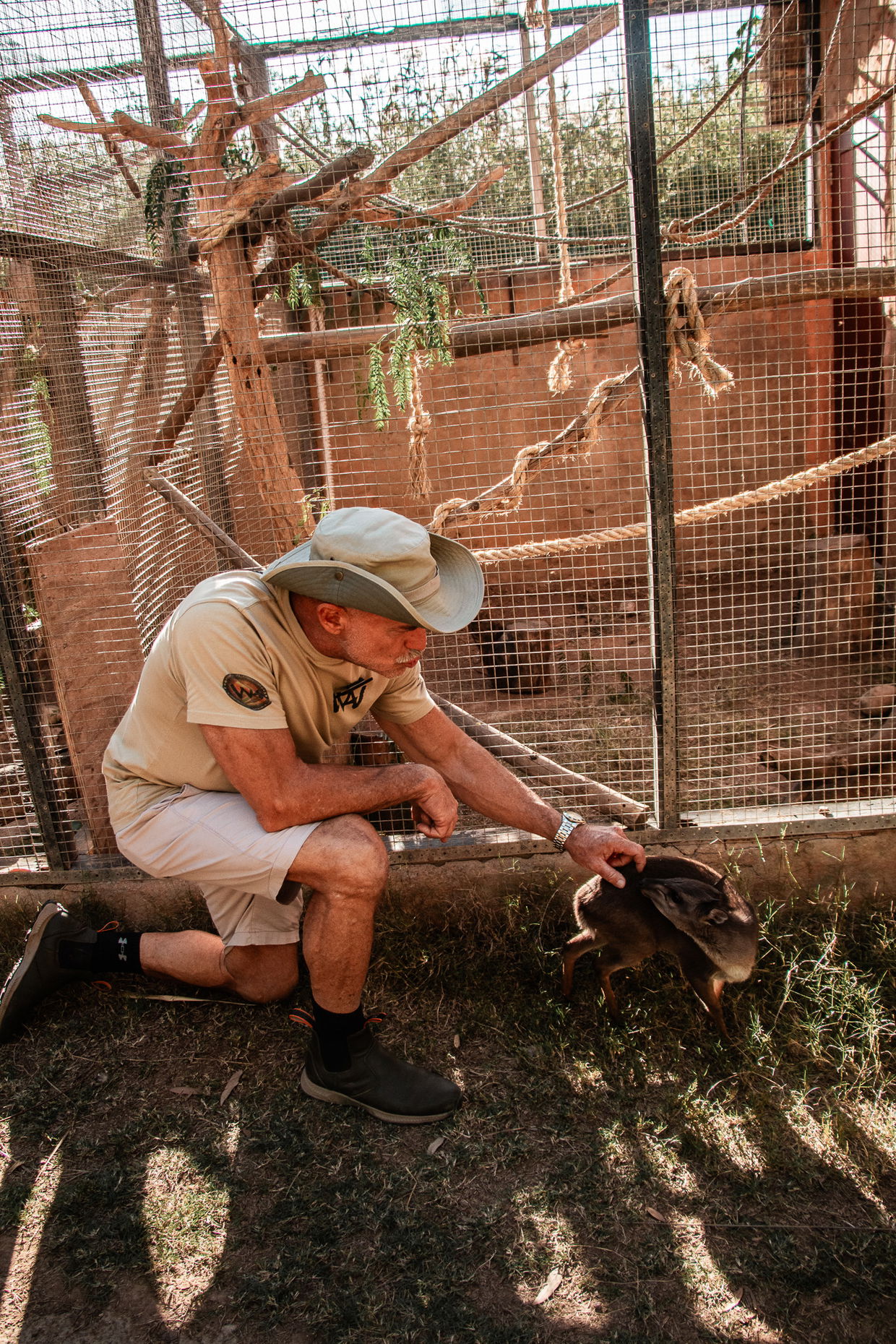
But it wasn’t just lemurs that left an impression on Joseph. Two resident Blue Duikers, affectionately nicknamed Polly and Josephine (or "Josie"), took a particular interest in his daily work. Josie became a regular companion, quietly watching from nearby while he installed new enrichment items.
“She was good company,” Joseph said warmly. “She made me smile every day.”
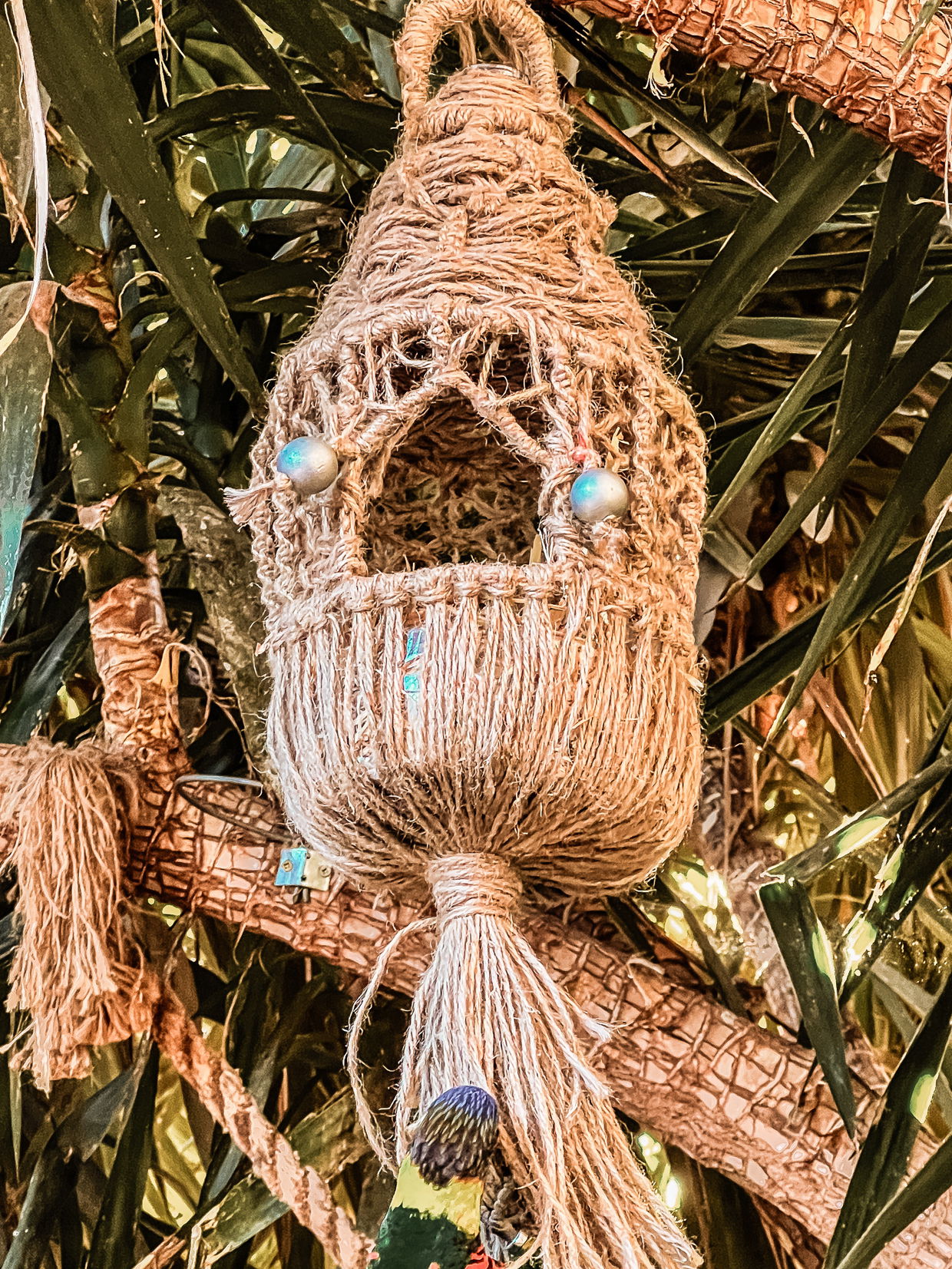
 His days at the ranch were filled with hands-on projects, from crafting woven birdhouses in the aviary to tackling repairs for enrichment structures across the park. Though he faced tool shortages and the occasional supply challenge, his determination never wavered. “Animals are easier to please than humans,” he joked. “And their gratitude is quiet but obvious.”
Joseph’s time at Cango Wildlife was also a reflection of his values — of simplicity, patience, and the joy of creating with intention. He noted how rewarding it was to see animals interact with objects he designed. “It gives me purpose. Life is precious, and anything I can do to make these animals safer, happier, or more entertained feels deeply worthwhile.”
As he prepared to return home, Joseph left behind more than just hammocks and birdhouses. He left behind a blueprint of compassion, purpose-driven design, and a reminder that conservation isn’t just about protecting — it’s also about creating
Thank you, Joseph, for reminding us that it is not just about building structures... its about building stories, legacies, and a lasting impact!
Share This Post
Latest News
-
 From 1 Gram To The Night Sky
Thu February 26, 2026 -
 When Conservation Meets Celebration
Thu February 26, 2026 -
 Rooted In Restoration
Thu February 26, 2026 -
 From 5cm To Freedom
Thu February 26, 2026 -
 A Second Chance For A Porcupette
Thu February 26, 2026 -
 Forty Years - Forty Percent
Thu February 26, 2026 -
 Knysna Dwarf Chameleon In Oudtshoorn
Thu February 26, 2026 -
 Community Clean Up
Thu February 26, 2026 -
 Small Contributions, Lasting Impact
Thu February 26, 2026 -
 Welcoming Our Academy Students Of 2026
Thu February 26, 2026
Further Reading
From 1 Gram To The Night Sky
Thu February 26, 2026
Read This Article
When Conservation Meets Celebration
Thu February 26, 2026
Read This Article
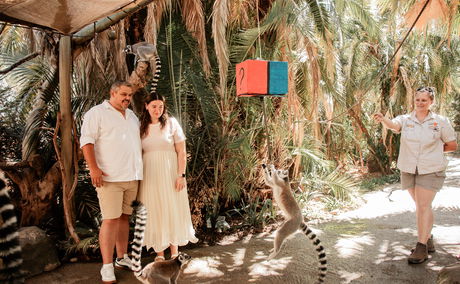
On the first of February, Monique and Rouan Engelbrecht chose to celebrate one of life’s most meaningful milestones in a way that reflected their values. They hosted a conservation conscious gender reveal at Cango Wildlife.
Rooted In Restoration
Thu February 26, 2026
Read This Article
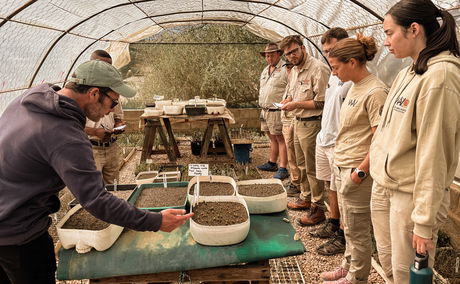
At Cango Wildlife, conservation isn’t something we only talk about; it’s something we’re constantly trying to refine, improve, and live out in practical ways. That includes looking inward: examining how we manage our own environmental footprint, how we treat and restore the land we steward, and how we align our practices with the bigger global sustainability framework - from South Africa’s climate goals to the guiding principles of UN-aligned sustainability and the...
Share This Post