

In early December, a male bat weighing just 1 gram arrived at Cango Wildlife after being attacked by a cat and brought in by a concerned member of the public. At that weight, he fit easily into the palm of a hand. Fragile. Silent. Fighting for survival long before he reached our care. Whenever wildlife has contact with a cat, immediate veterinary care is essential. Cat saliva carries bacteria that can be...
A Year of Discovery: Student Perspectives from Cango Wildlife Ranch
Posted on Thu July 31, 2025.
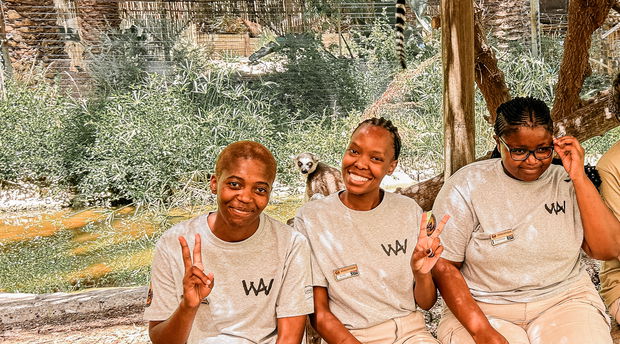
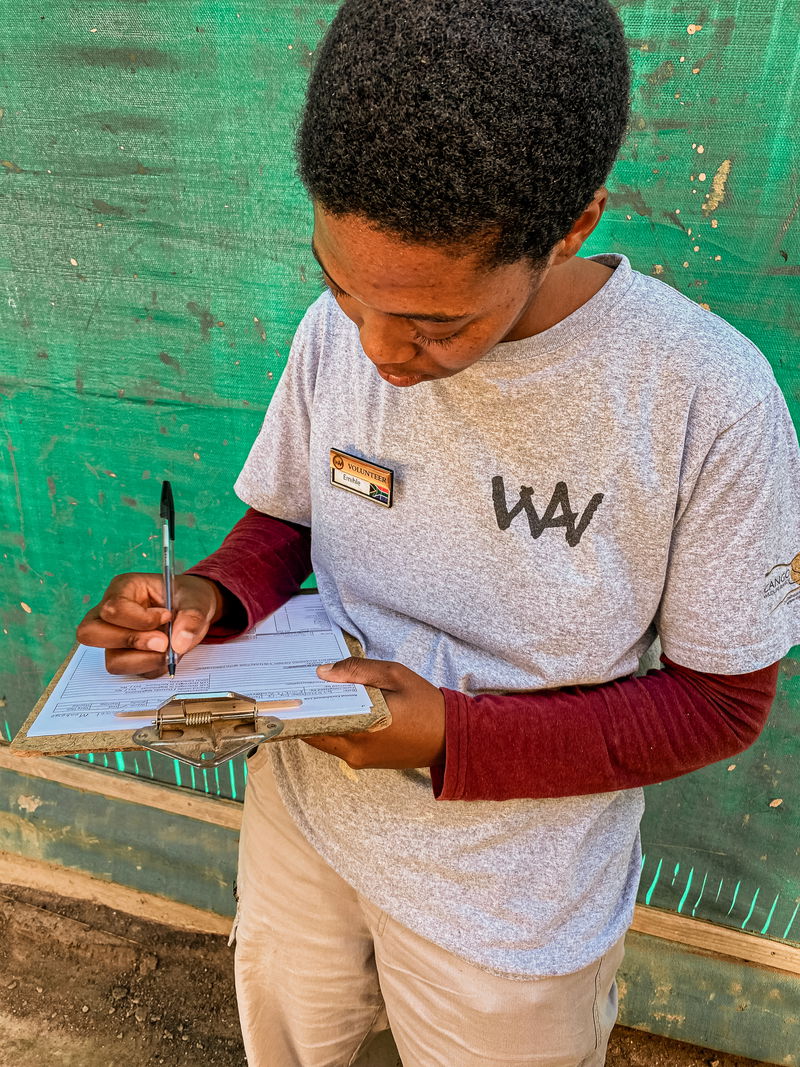
Asandiswa Magodla (21), from Eastern Cape, shares her initial experience upon arriving at the ranch: "I expected a game ranch with free-roaming wildlife and some caves to explore since it’s given the name 'Cango,' but what I found was something special — a unique conservation environment where every animal has a name, a story to tell, and is cared for with love and dedication."
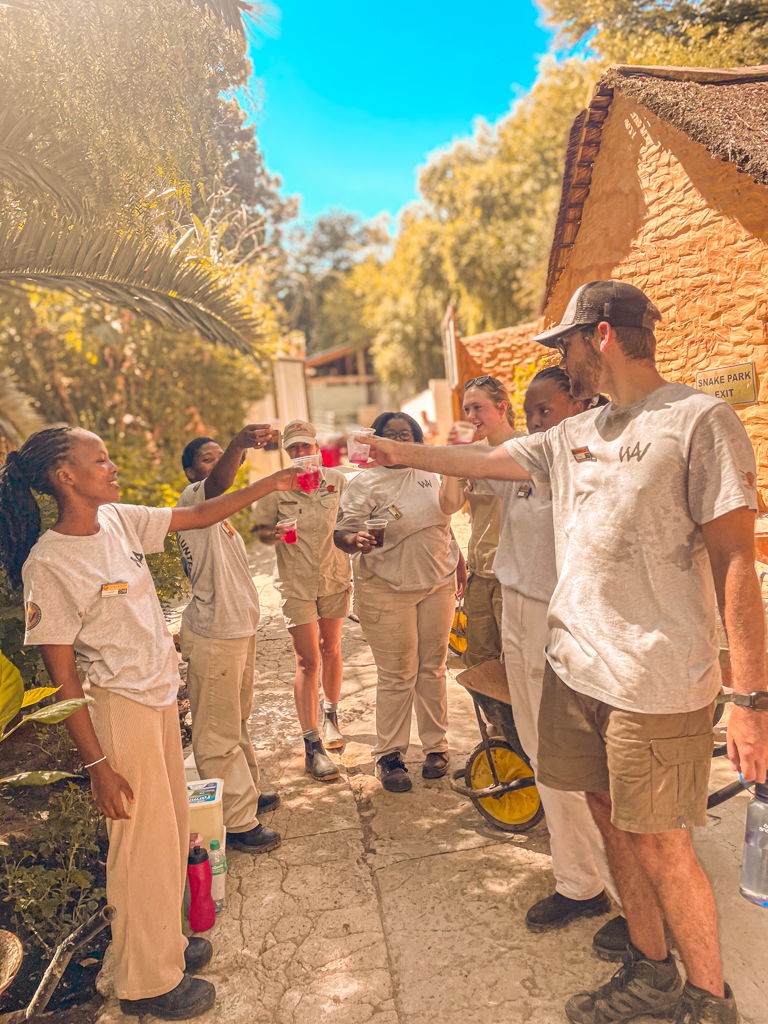
She quickly felt welcomed into a supportive environment: "The first time I stepped through the gates, I was welcomed by a team of passionate individuals who cared about each other and animals. They are more than just employees; they are a family."
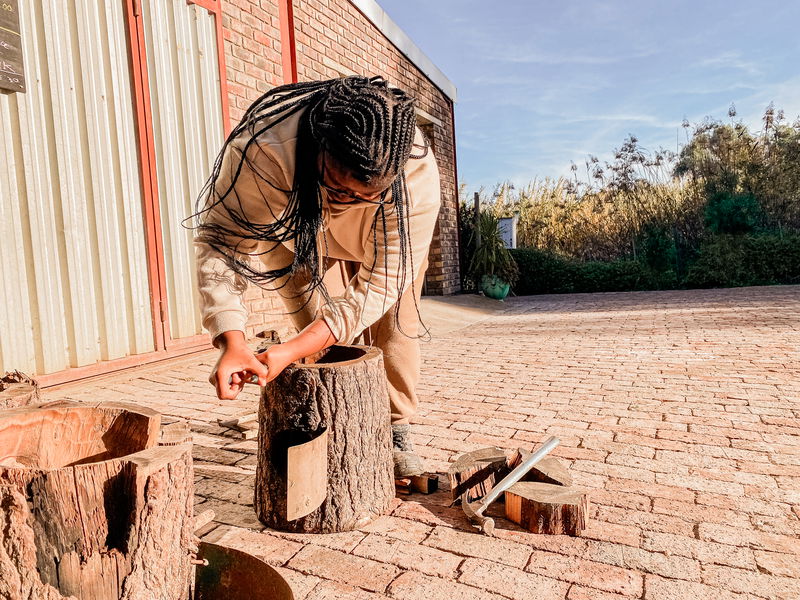
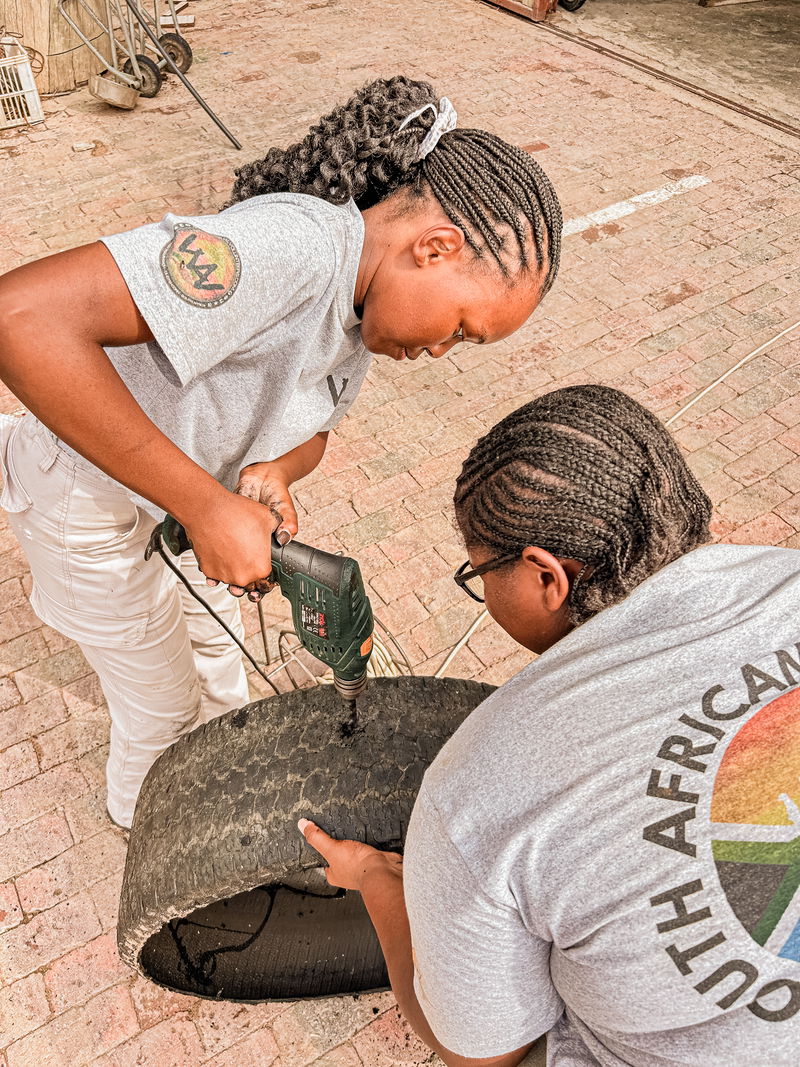
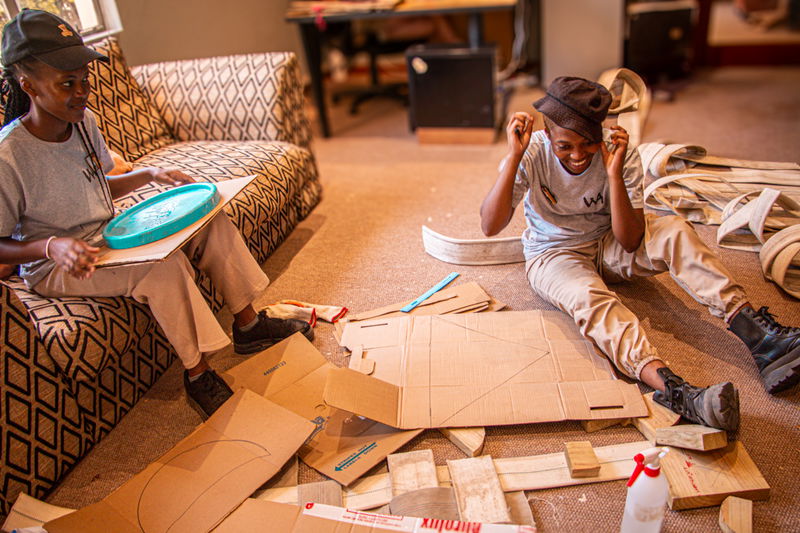
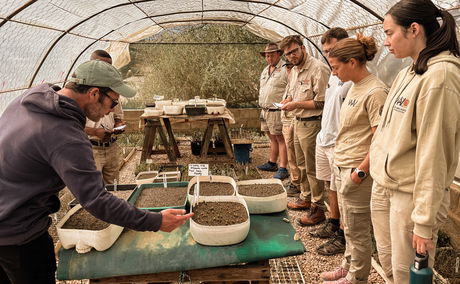
Among her most valued experiences was working in the animal kitchen (where we prep meals for all animals under our care) wherein she developed critical skills such as teamwork, planning, cleanliness, and time management. Additionally, participating in enrichment projects was particularly meaningful for her: "Watching the birds interact with something I created reminded me that even small acts play a significant role in animal care." Asandiswa reflects on her time at Cango as deeply educational, helping her grow personally and professionally.
Emihle Zuzo (23) and Lindokuhle Lalendle (23), also from NMU, appreciate the practical translation of theoretical knowledge into real-world skills. "As students who have only known the theory side of conservation, it has been interesting to be practically involved," they stated. For this group of students, creating enrichment activities with recycled materials also emphasised the importance of animal well-being and environmental responsibility, teaching them more creative approaches to animal welfare.
The students gained substantial insights into animal diets, nutritional needs, and the methods used at the ranch for animal training and human-animal interactions. They acknowledged both the challenges and rewards of maintaining animal enclosures, emphasising the importance of cleanliness and proper care using approved products and techniques.
Yet, their journey hasn't been without challenges, particularly in communication within a diverse team. "Being here is hard but also fun because we’re dealing with many people from different backgrounds, speaking totally different languages, which made communication tricky but rewarding," they admitted.
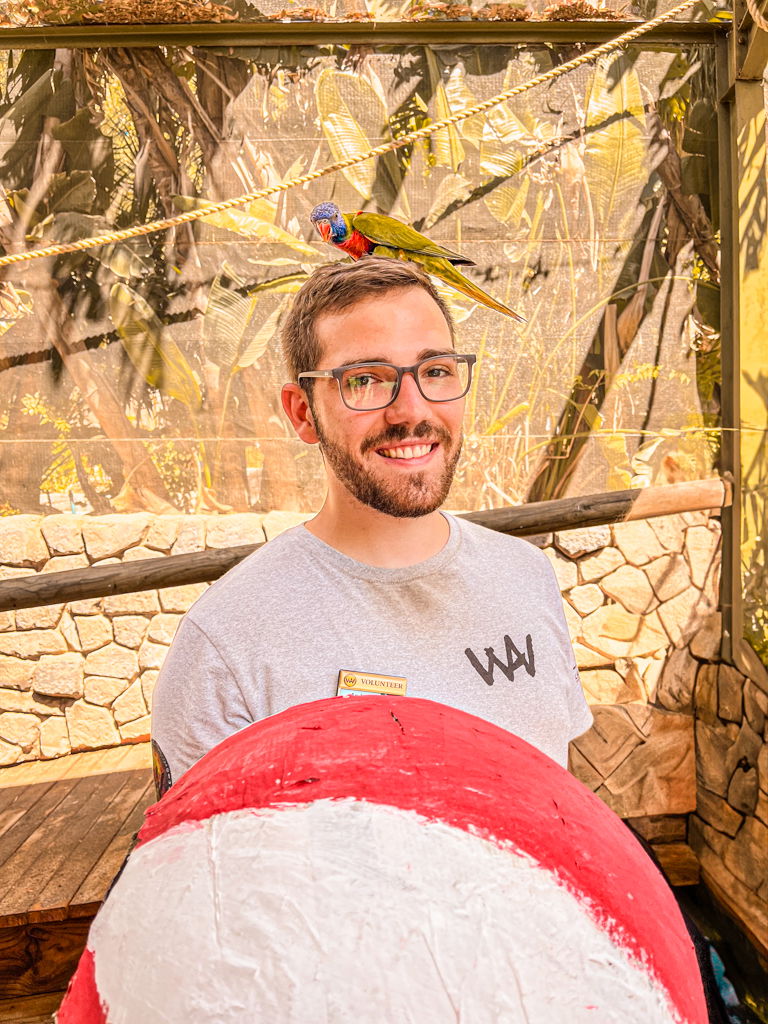
AJ du Plessis (21), our student from NGI, highlights the transformative nature of his experience: "Nothing could truly prepare me for the depth of connection, learning, and personal growth that awaited me."
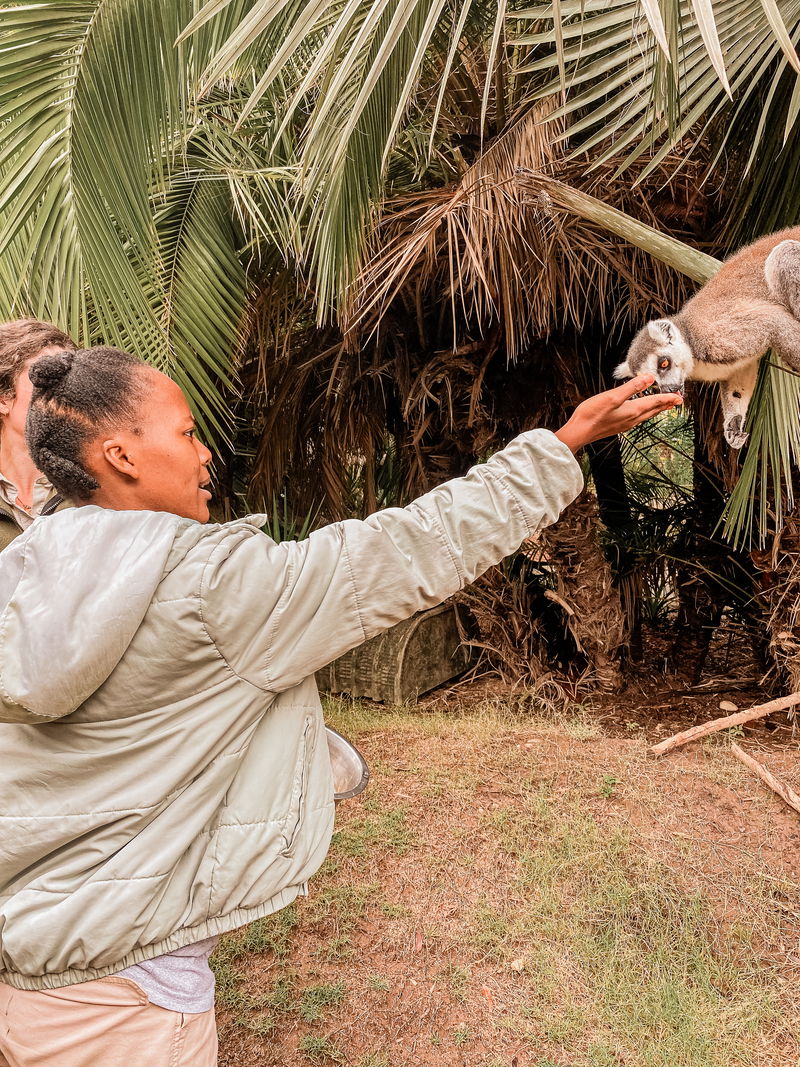
AJ valued the strong community spirit and hands-on learning: "Whether working with animal department, cheetahland, or maintenance staff, everyone was friendly, approachable, and willing to share their knowledge." He was impressed by the professionalism and kindness of staff and particularly valued the opportunity for direct animal care. "Working with cheetahs, servals, caracals, lemurs, marabou storks, and more was truly a dream come true," AJ says, emphasising the importance of enrichment for animal welfare.
Accommodation and the communal experience were also positive factors, fostering lasting friendships and a sense of belonging. Reflecting on his journey, AJ notes, "Beyond daily routines, being part of the greater mission of Cango Wildlife Ranch gave me a sense of purpose. It’s a hub for education, conservation, and awareness."
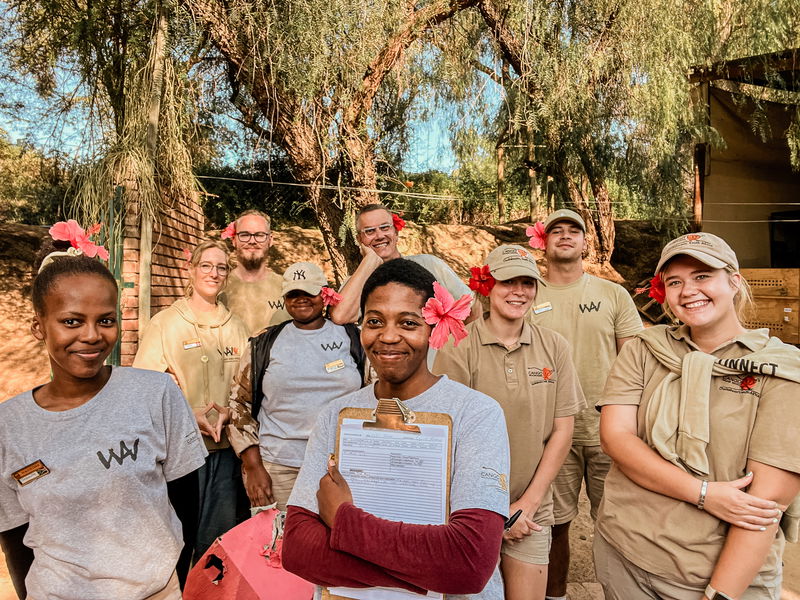
The experiences of our first Cango Academy cohort reinforces our dedication to practical, meaningful conservation education. As we continue to grow this initiative, we remain grateful for the enthusiasm and fresh perspectives our students bring and encourage our readers and visitors to keep an eye out and involve themselves in future projects by our growing academy. Watch this space!
Share This Post
Latest News
-
 From 1 Gram To The Night Sky
Thu February 26, 2026 -
 When Conservation Meets Celebration
Thu February 26, 2026 -
 Rooted In Restoration
Thu February 26, 2026 -
 From 5cm To Freedom
Thu February 26, 2026 -
 A Second Chance For A Porcupette
Thu February 26, 2026 -
 Forty Years - Forty Percent
Thu February 26, 2026 -
 Knysna Dwarf Chameleon In Oudtshoorn
Thu February 26, 2026 -
 Community Clean Up
Thu February 26, 2026 -
 Small Contributions, Lasting Impact
Thu February 26, 2026 -
 Welcoming Our Academy Students Of 2026
Thu February 26, 2026
Further Reading
From 1 Gram To The Night Sky
Thu February 26, 2026
Read This Article
When Conservation Meets Celebration
Thu February 26, 2026
Read This Article
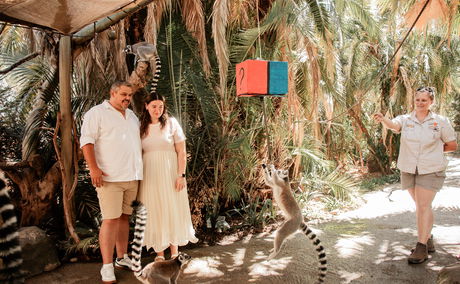
On the first of February, Monique and Rouan Engelbrecht chose to celebrate one of life’s most meaningful milestones in a way that reflected their values. They hosted a conservation conscious gender reveal at Cango Wildlife.
Rooted In Restoration
Thu February 26, 2026
Read This Article
At Cango Wildlife, conservation isn’t something we only talk about; it’s something we’re constantly trying to refine, improve, and live out in practical ways. That includes looking inward: examining how we manage our own environmental footprint, how we treat and restore the land we steward, and how we align our practices with the bigger global sustainability framework - from South Africa’s climate goals to the guiding principles of UN-aligned sustainability and the...
Share This Post