

In early December, a male bat weighing just 1 gram arrived at Cango Wildlife after being attacked by a cat and brought in by a concerned member of the public. At that weight, he fit easily into the palm of a hand. Fragile. Silent. Fighting for survival long before he reached our care. Whenever wildlife has contact with a cat, immediate veterinary care is essential. Cat saliva carries bacteria that can be...
A Second Chance For A Porcupette
Posted on Thu February 26, 2026.
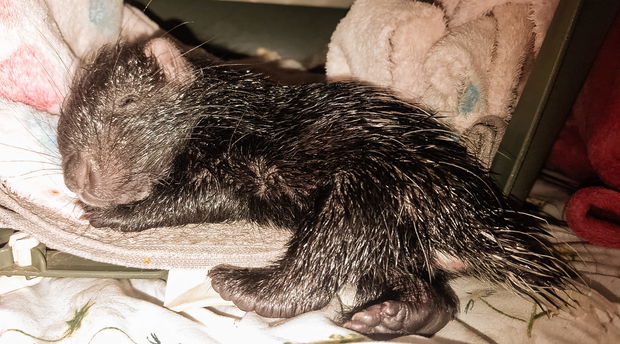
In mid February, a routine guided walk near Wilgewandel, about 20 minutes outside of Oudtshoorn, turned into an unexpected wildlife rescue. Sinead, one of our former part-time Wildlife Guardians who is now a qualified Field Guide, was leading visitors on a tour along the trail when they came across a very young Cape Porcupine. At first, they moved on, assuming the mother was nearby and would return once the area was quiet.
Four hours later, they passed the same spot again. The tiny porcupette was still alone. A sibling lay dead nearby. At that point, the reality shifted. A mother porcupine would usually return to her young. The delay suggested she may have been caught in a snare or otherwise prevented from coming back.
The surviving porcupette had started wandering from the den. Most likely searching. Most likely dehydrated. The group acted quickly and brought the porcupette to our facility for intensive early care. On arrival, the infant required immediate supportive care. Neonatal porcupines rely entirely on their mother’s milk. They cannot regulate feeding intervals on their own.
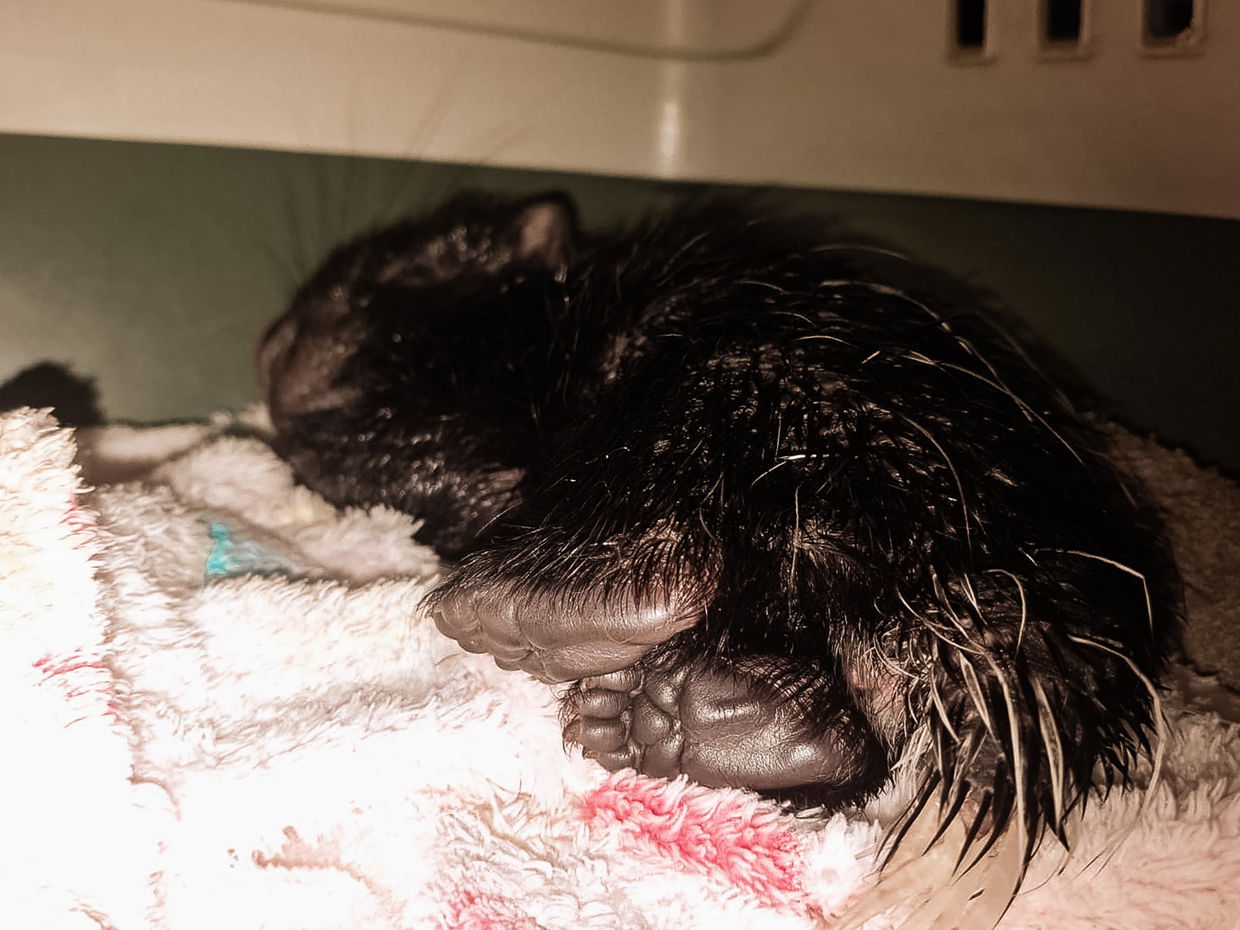
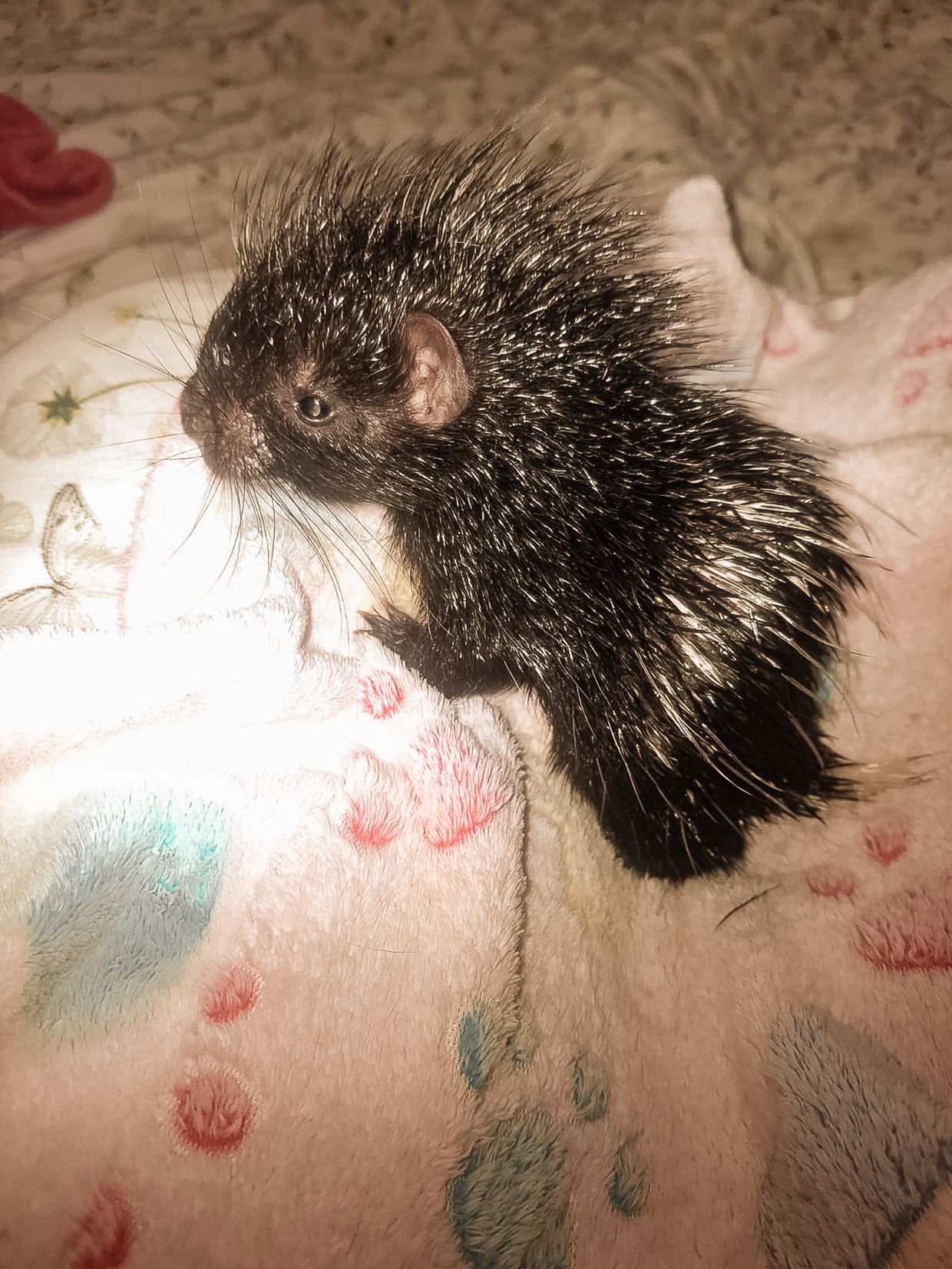 A strict feeding protocol was implemented. Bottle feeds every two hours. Milk volume calculated at roughly 20 percent of body weight across 24 hours, divided into scheduled feeds. Transitioning a wild neonate onto a feeding teat takes time. Gentle handling. Gradual familiarisation. Patience.
It took about a day and a half before the porcupette latched properly and fed effectively. That moment marked the first sign of stabilisation. The quills have been sent for testing to determine sex. We are awaiting results.
For now, the focus remains simple and disciplined.
• Consistent feeding
• Hydration
• Warmth
• Minimal stress
Rescues like this expose a hard truth. Snaring and human expansion continue to leave young wildlife orphaned and vulnerable. This porcupette now has a chance. The road ahead includes structured weaning, gradual independence, and hopefully an eventual release. Every rescue begins with urgency. Rehabilitation requires discipline. Release remains the goal.
Share This Post
Latest News
-
 From 1 Gram To The Night Sky
Thu February 26, 2026 -
 When Conservation Meets Celebration
Thu February 26, 2026 -
 Rooted In Restoration
Thu February 26, 2026 -
 From 5cm To Freedom
Thu February 26, 2026 -
 A Second Chance For A Porcupette
Thu February 26, 2026 -
 Forty Years - Forty Percent
Thu February 26, 2026 -
 Knysna Dwarf Chameleon In Oudtshoorn
Thu February 26, 2026 -
 Community Clean Up
Thu February 26, 2026 -
 Small Contributions, Lasting Impact
Thu February 26, 2026 -
 Welcoming Our Academy Students Of 2026
Thu February 26, 2026
Further Reading
From 1 Gram To The Night Sky
Thu February 26, 2026
Read This Article
When Conservation Meets Celebration
Thu February 26, 2026
Read This Article
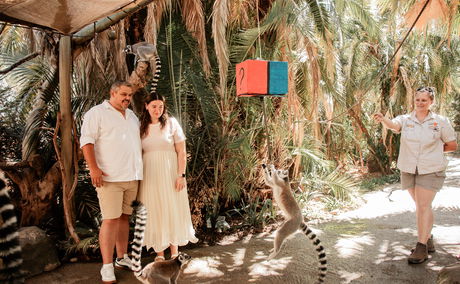
On the first of February, Monique and Rouan Engelbrecht chose to celebrate one of life’s most meaningful milestones in a way that reflected their values. They hosted a conservation conscious gender reveal at Cango Wildlife.
Rooted In Restoration
Thu February 26, 2026
Read This Article
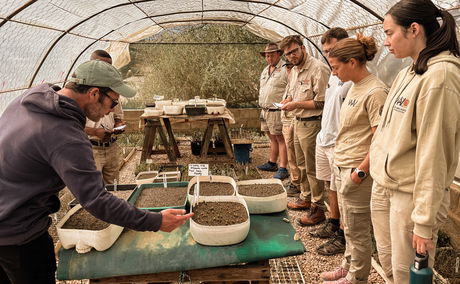
At Cango Wildlife, conservation isn’t something we only talk about; it’s something we’re constantly trying to refine, improve, and live out in practical ways. That includes looking inward: examining how we manage our own environmental footprint, how we treat and restore the land we steward, and how we align our practices with the bigger global sustainability framework - from South Africa’s climate goals to the guiding principles of UN-aligned sustainability and the...
Share This Post