

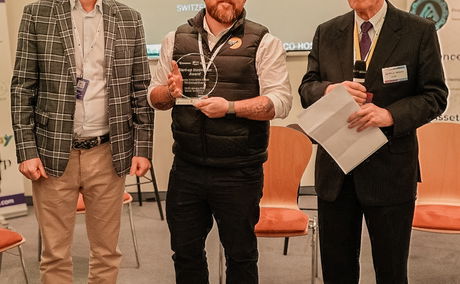
For a conservation organisation based in Oudtshoorn, moments like this do not come often. And when they do, they are worth pausing for. This year, a South African conservation technology project founded by our CEO, Douglas Eriksen, was recognised on the global stage at the World Economic Forum in Davos. Project ZOA, or Zoological Open Architecture, was awarded the Startup Innovation Award for Top AI Sustainability Project during Davos Innovation Week 2026.
Built With Purpose
Posted on Fri December 26, 2025.
As you enter the Jaws, there is a sense that something has shifted.
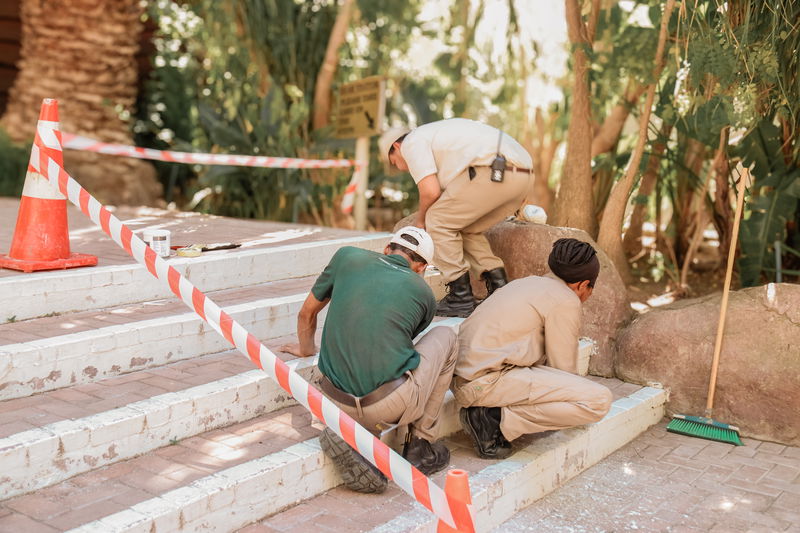
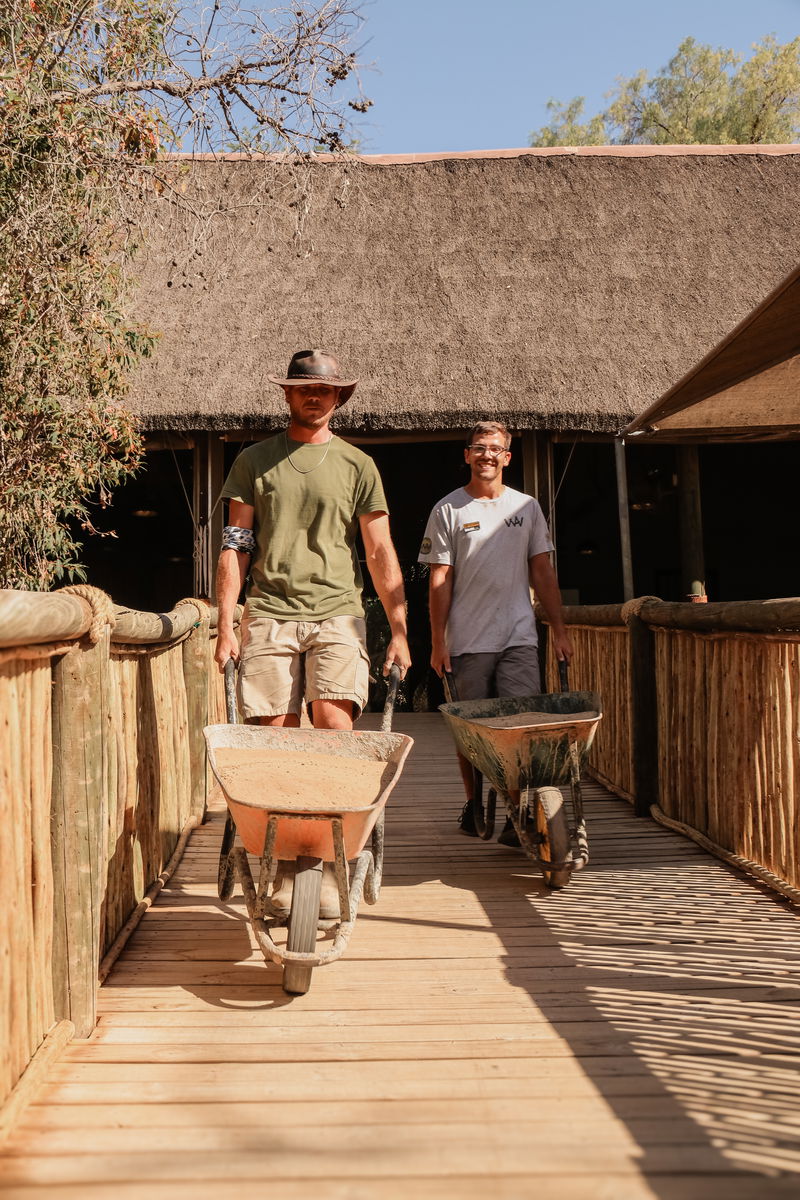
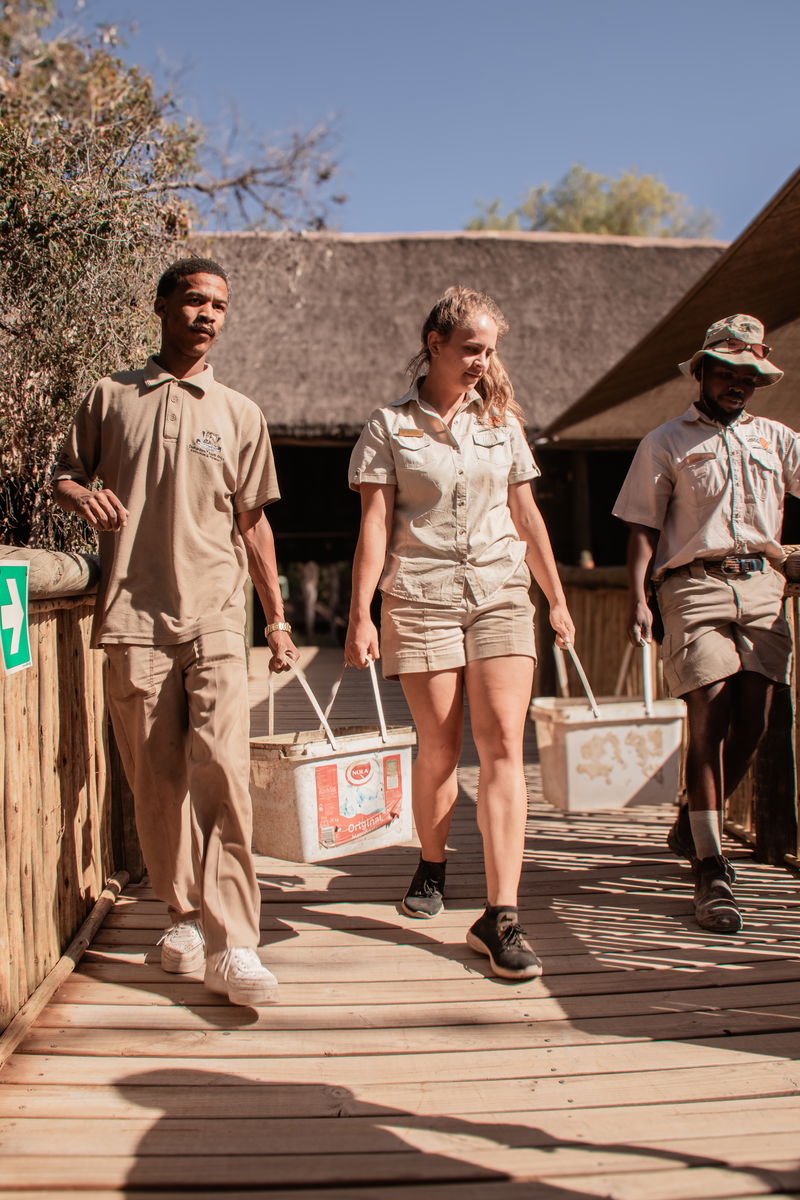
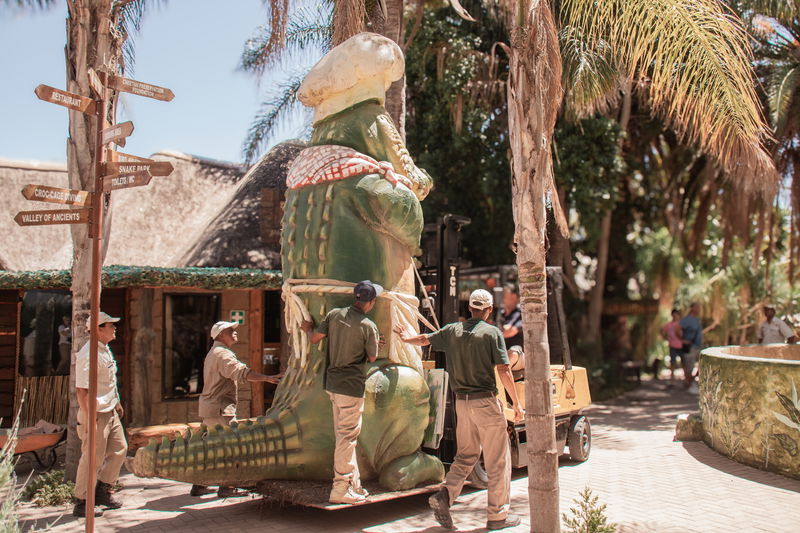
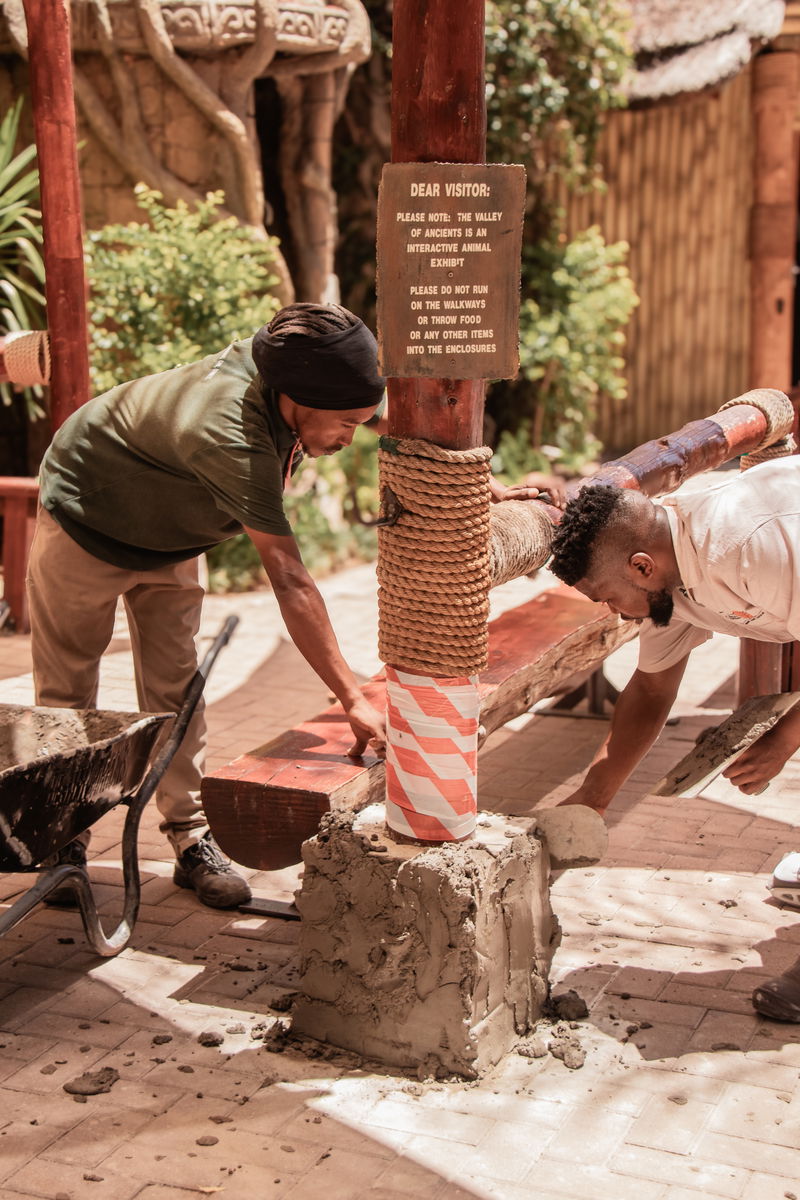
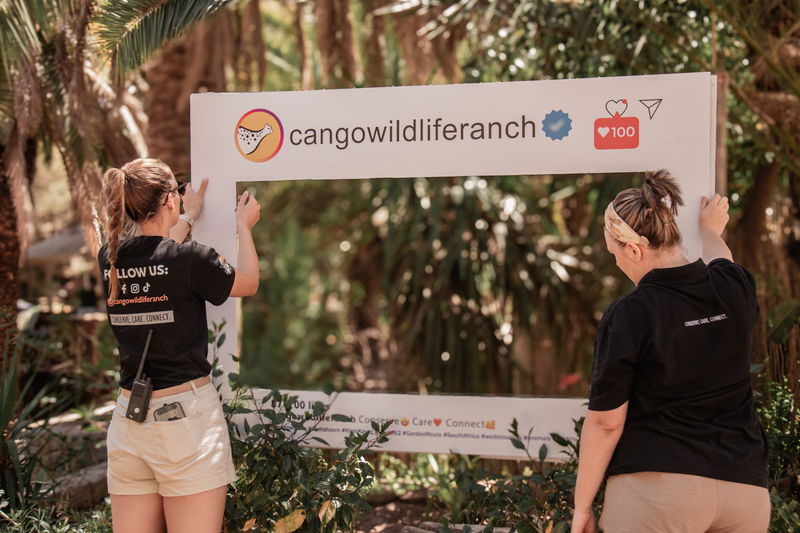
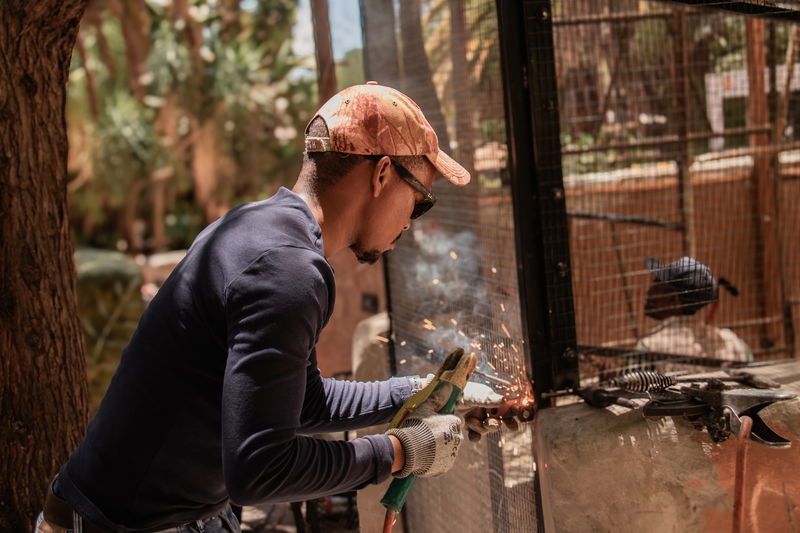
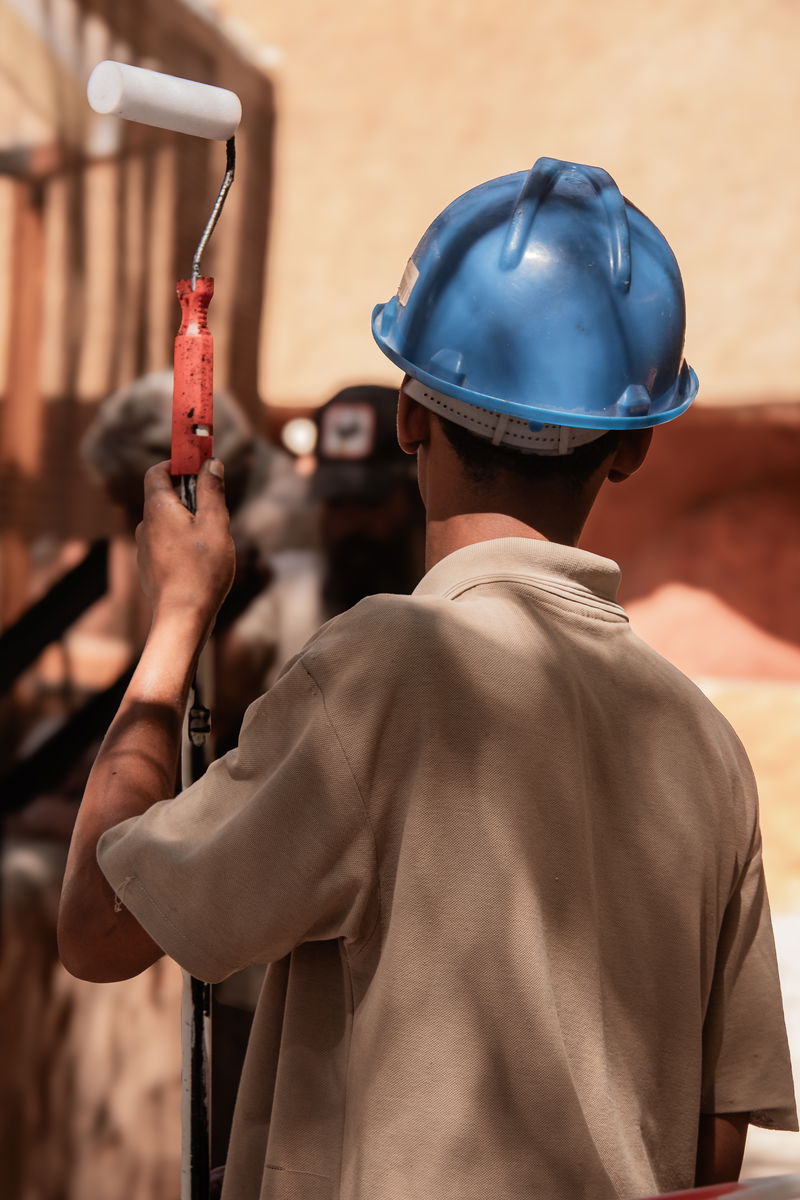
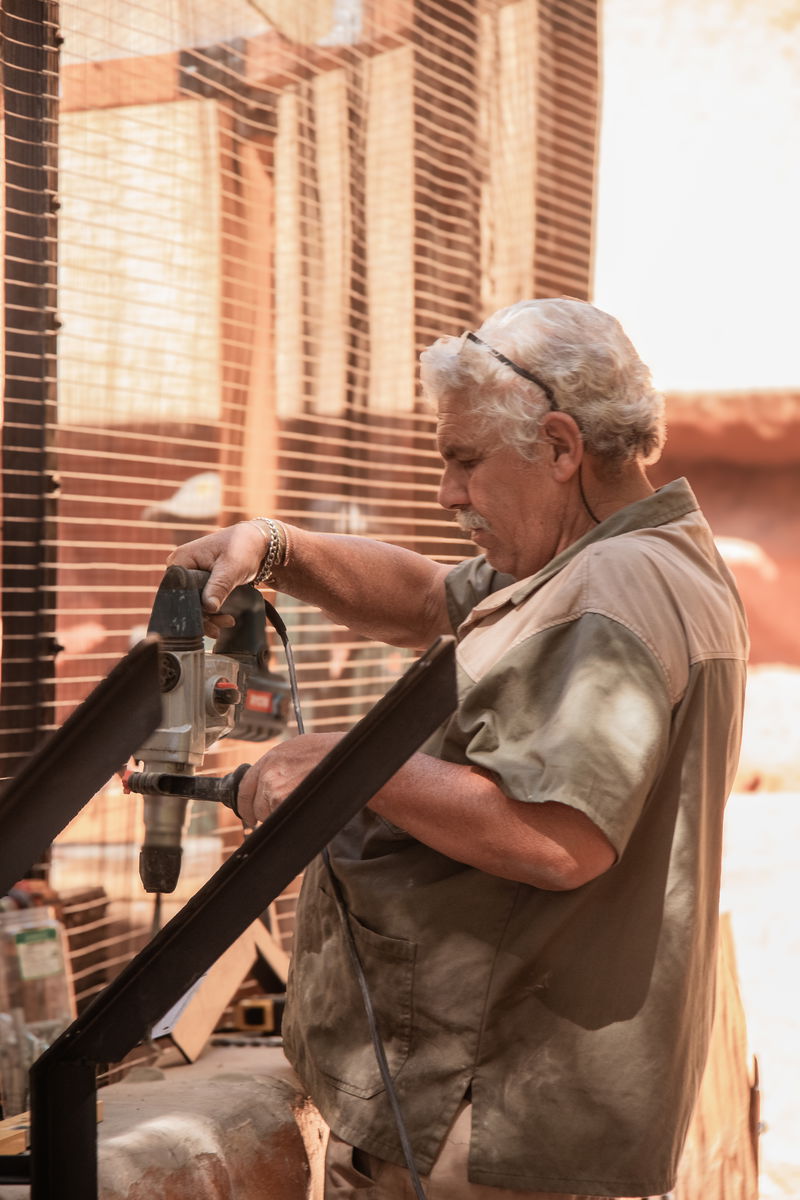
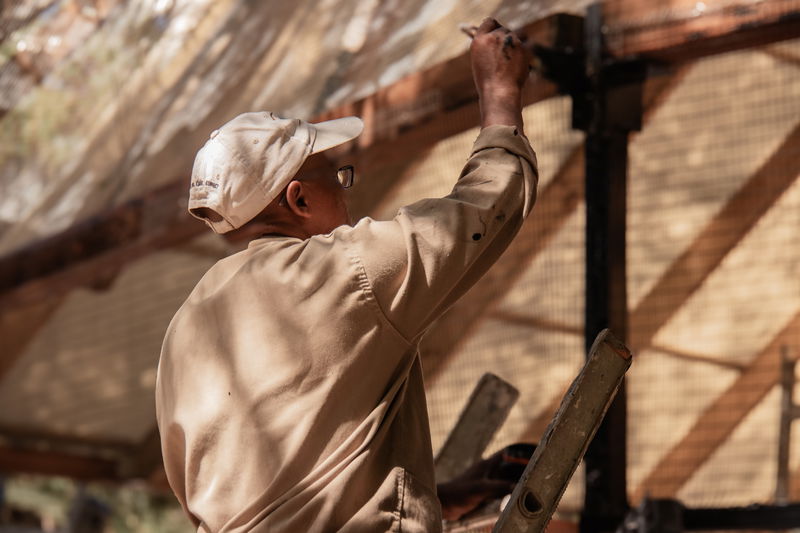
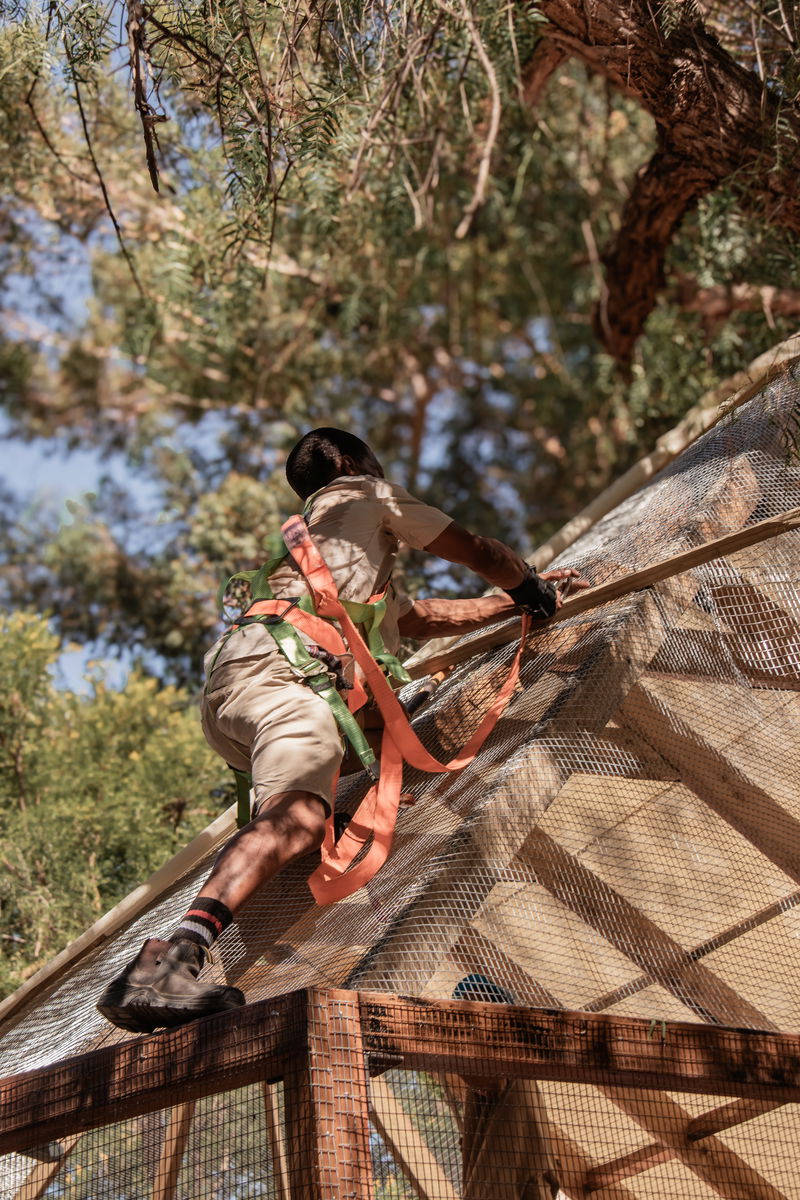
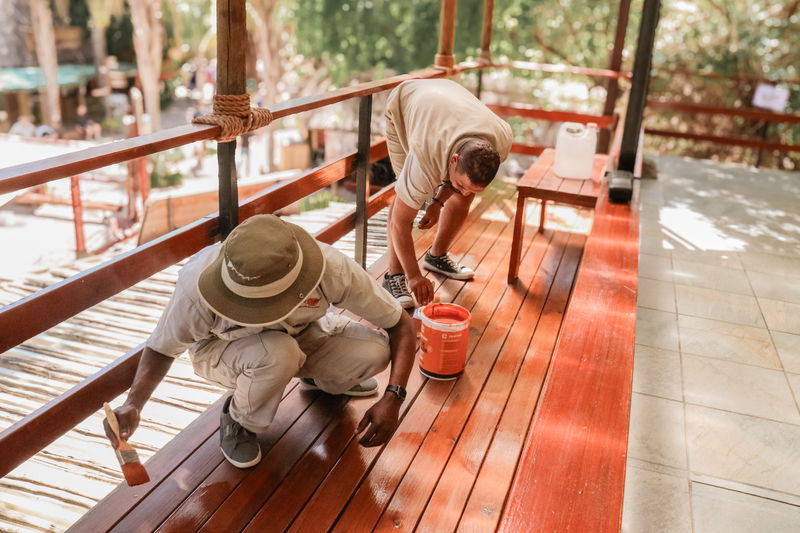
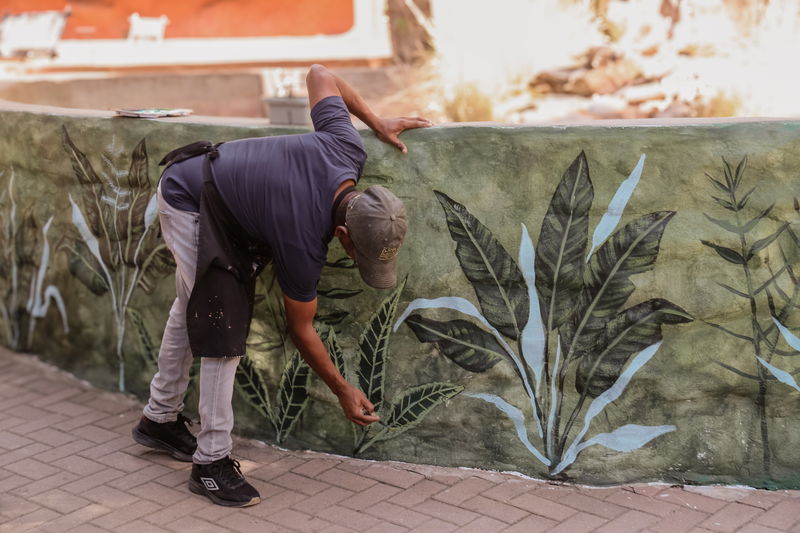
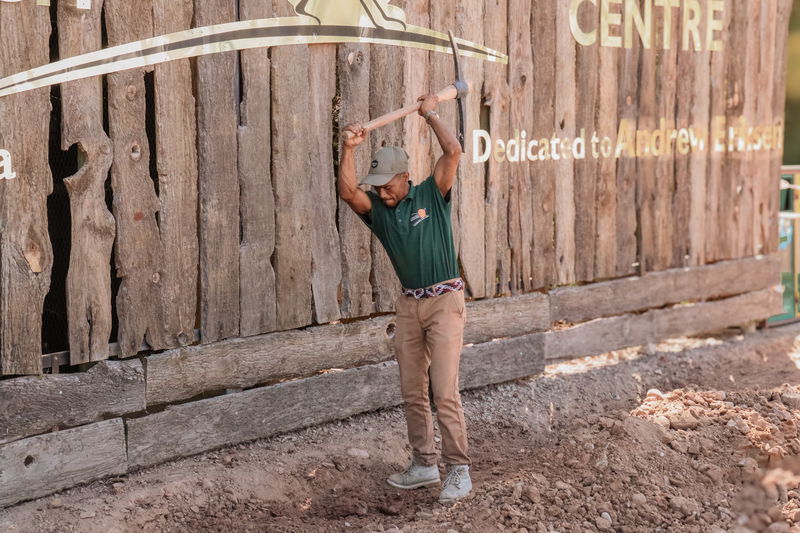
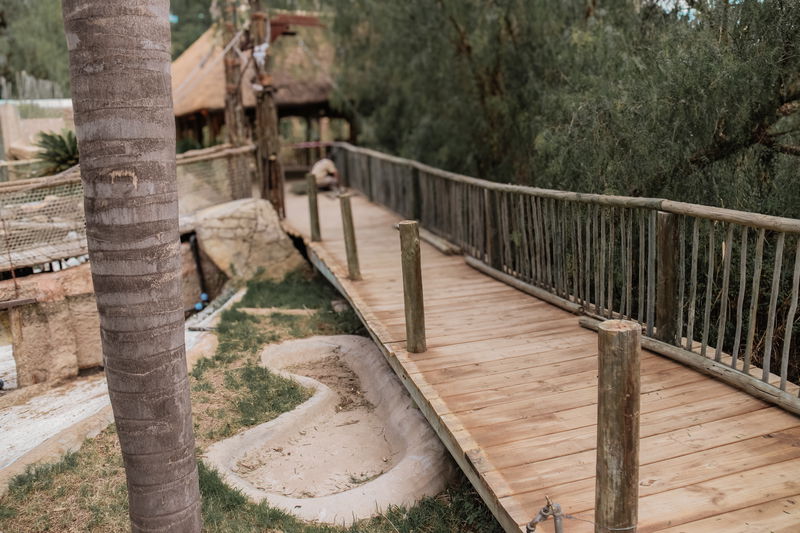
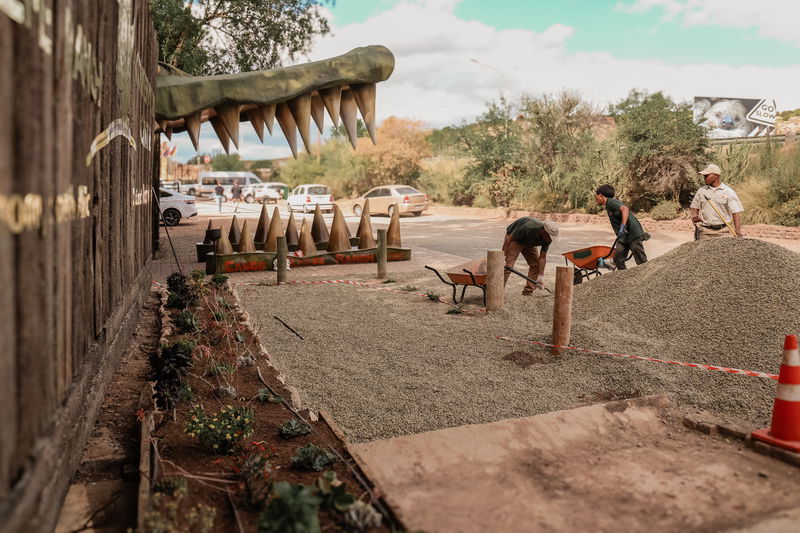
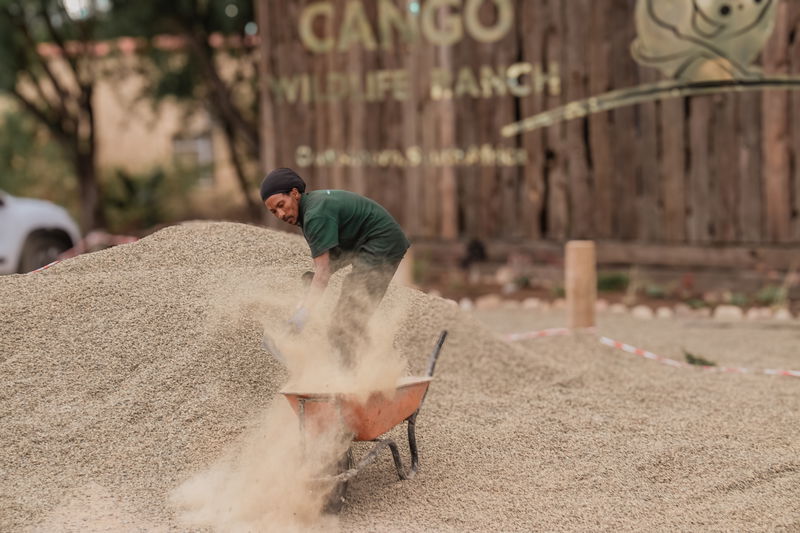
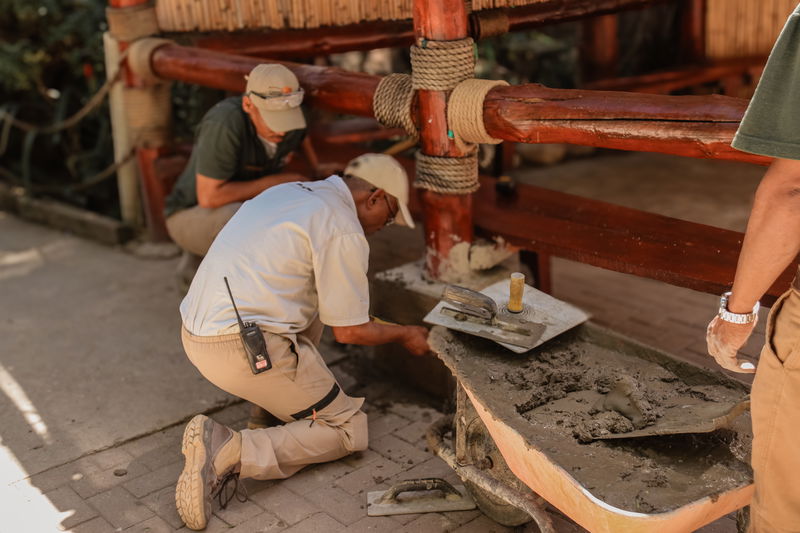
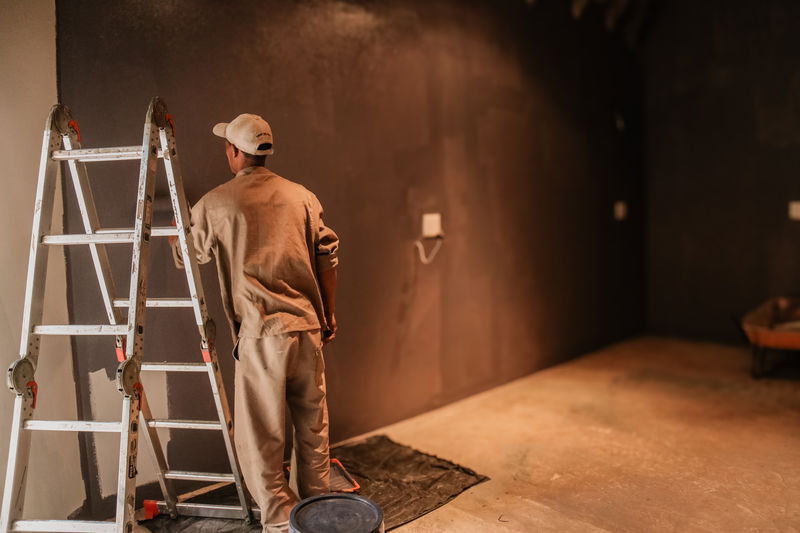
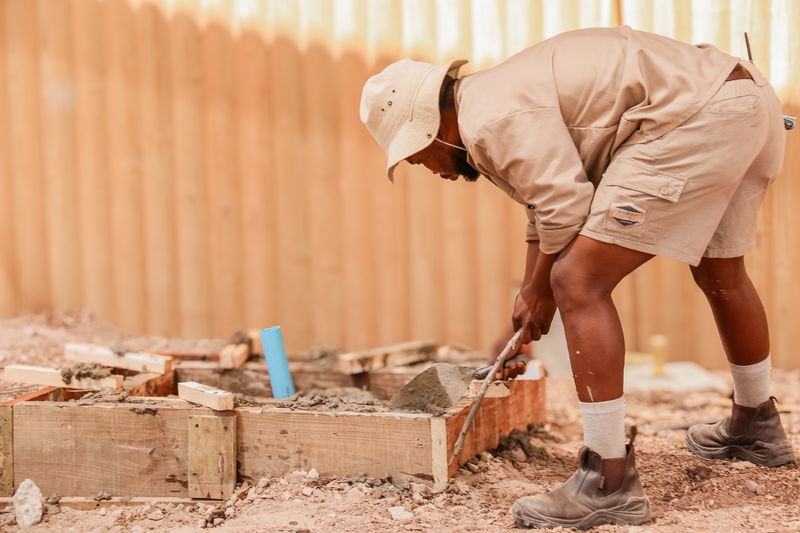
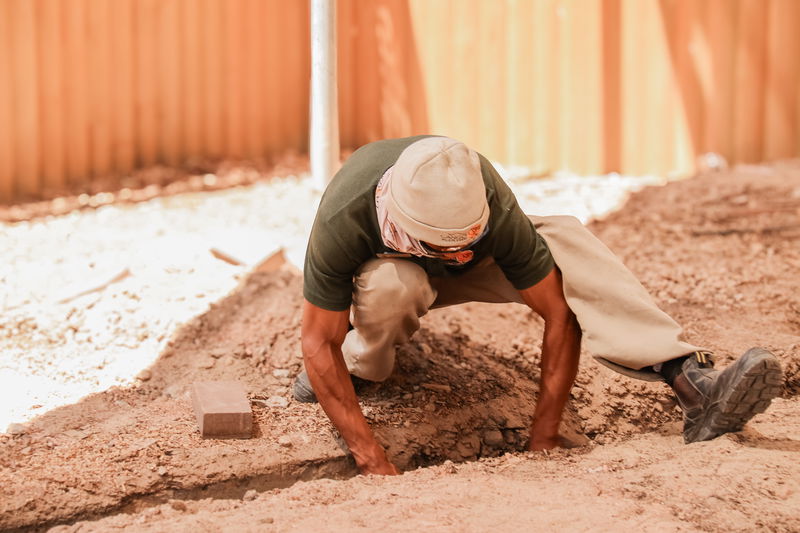
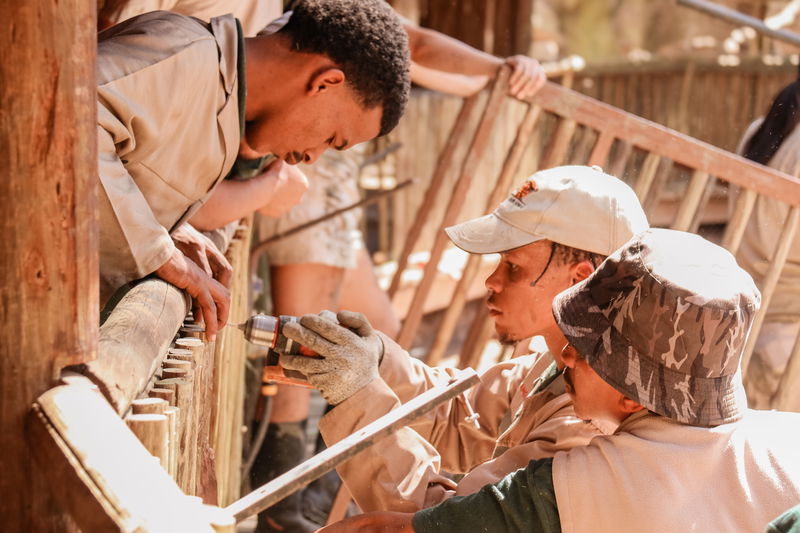
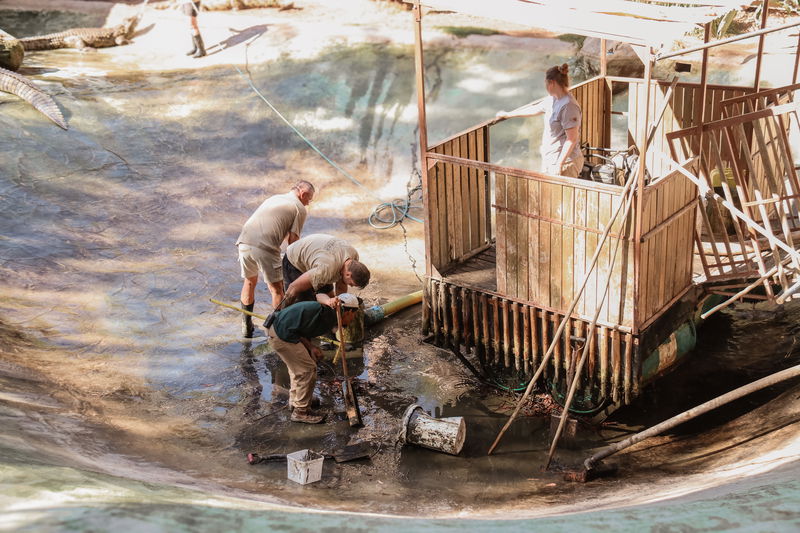
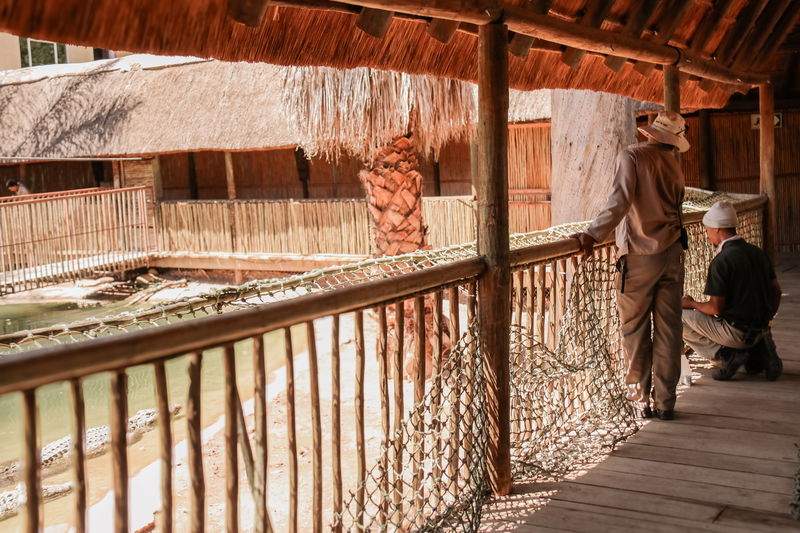
The familiar bones still frame the pathway, but beyond them, the facility feels lighter, more open, more intentional. Over the past three months, Cango Wildlife has been quietly transforming. Not through one single project, but through many layered changes, each shaped by purpose, care, and a long term vision for how people experience this place.
The first signs of change meet you almost immediately. The Jaws area received a thoughtful facelift, setting the tone for what lies ahead. A large metal world map now stretches across the balcony, a simple but powerful addition that acknowledges the many places our visitors come from. It speaks to shared responsibility, to global connection, and to the idea that conservation belongs to everyone who walks through our gates.
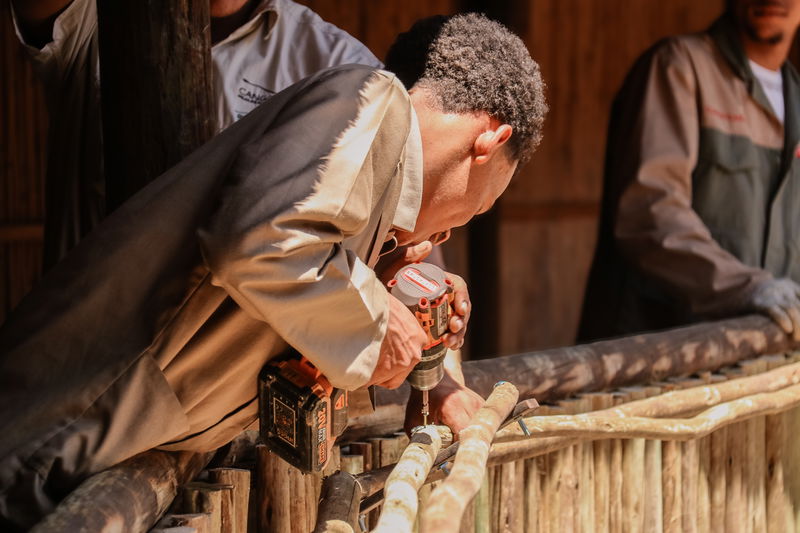
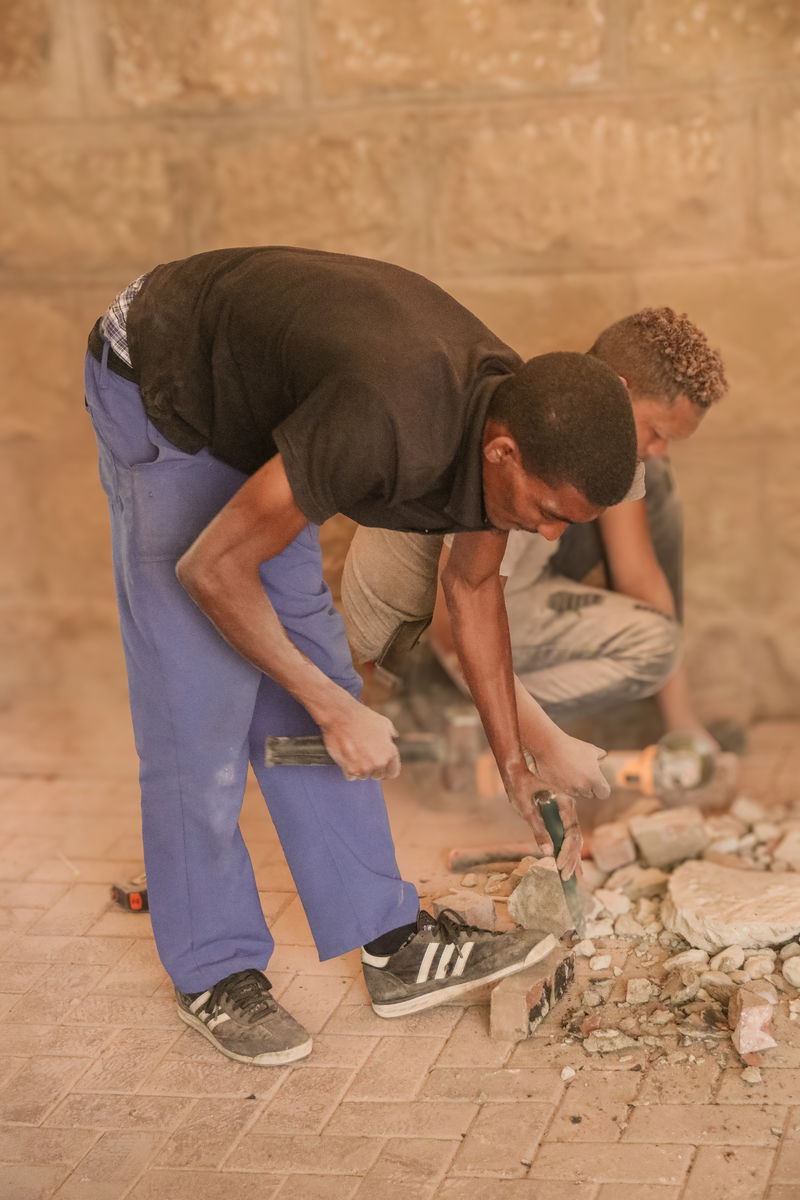
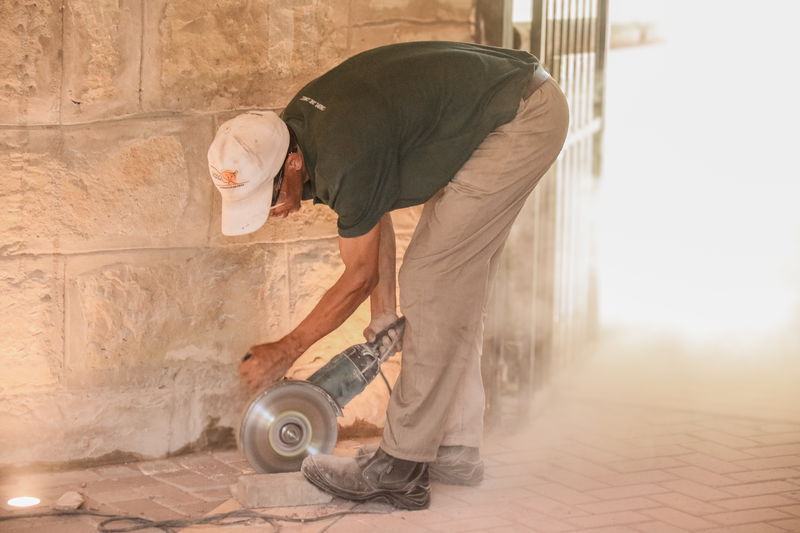
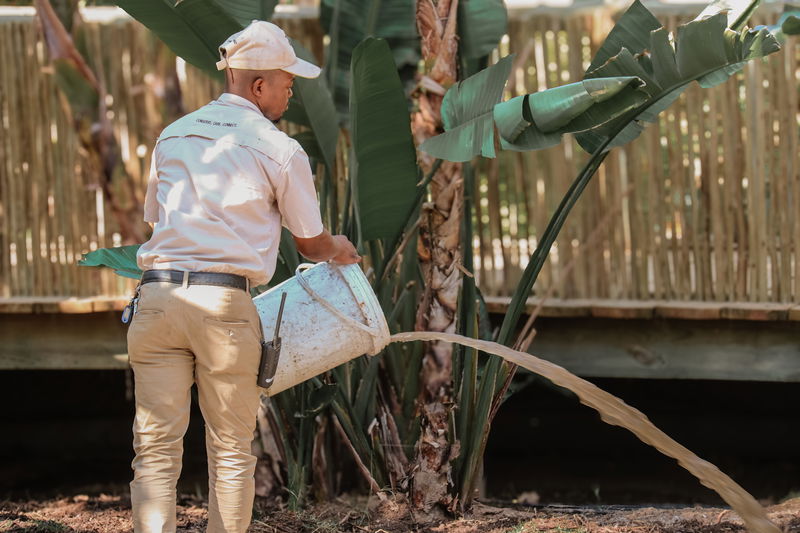
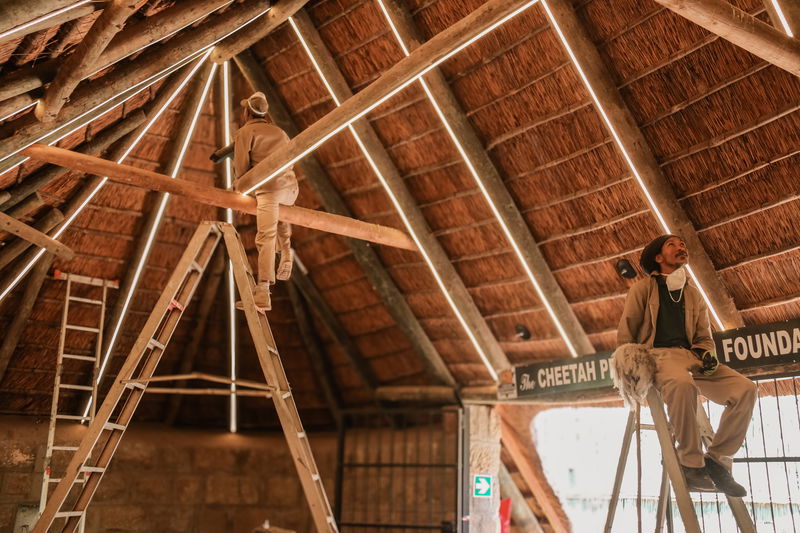
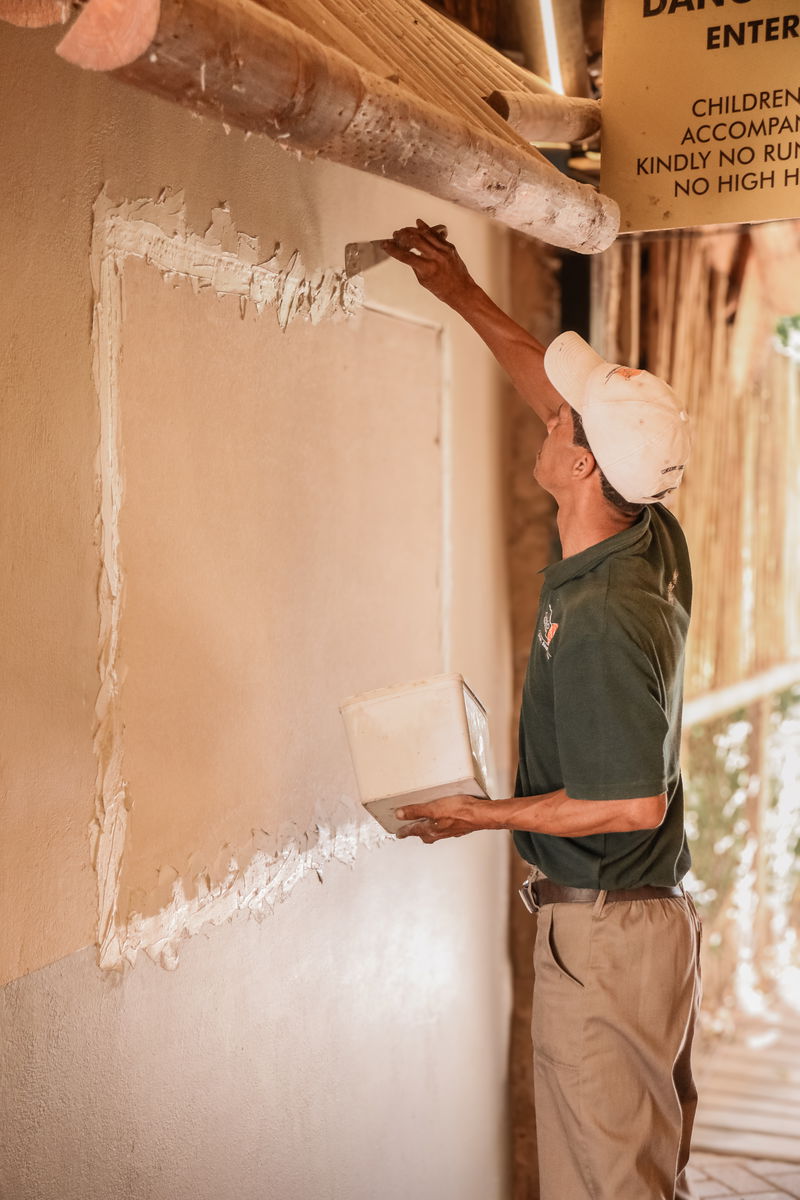
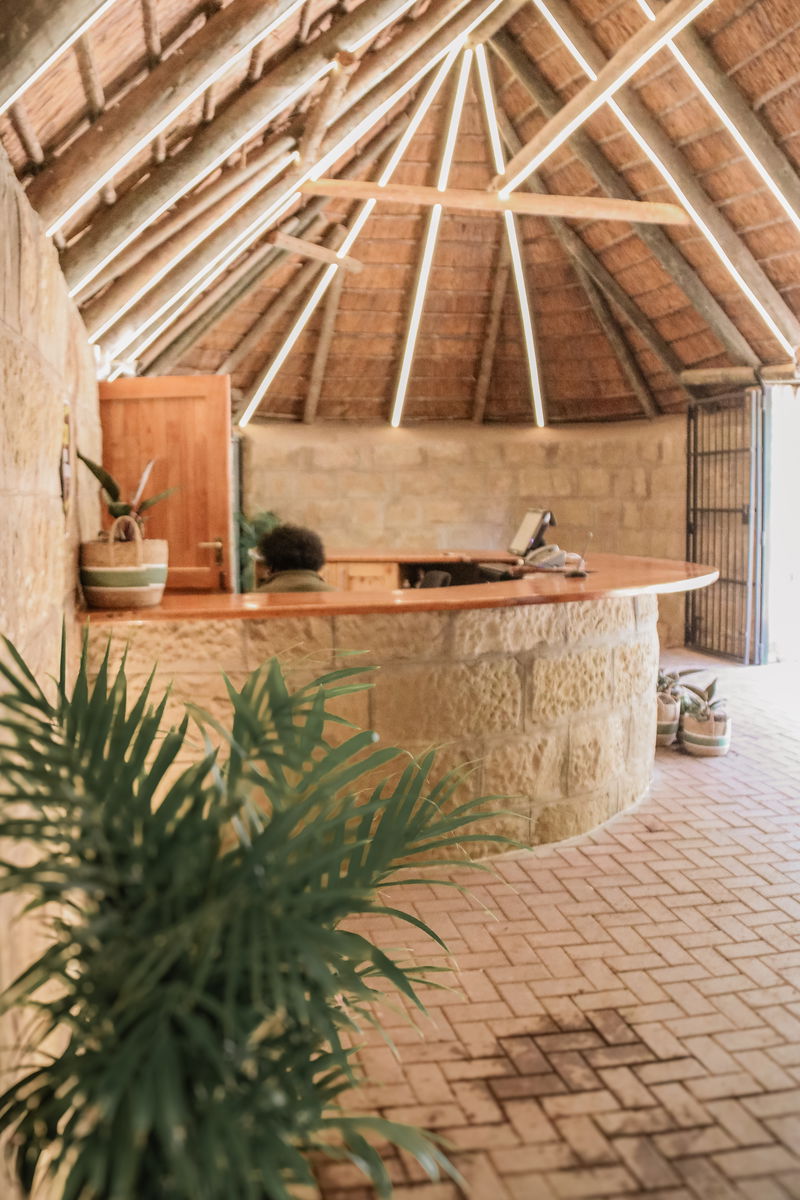
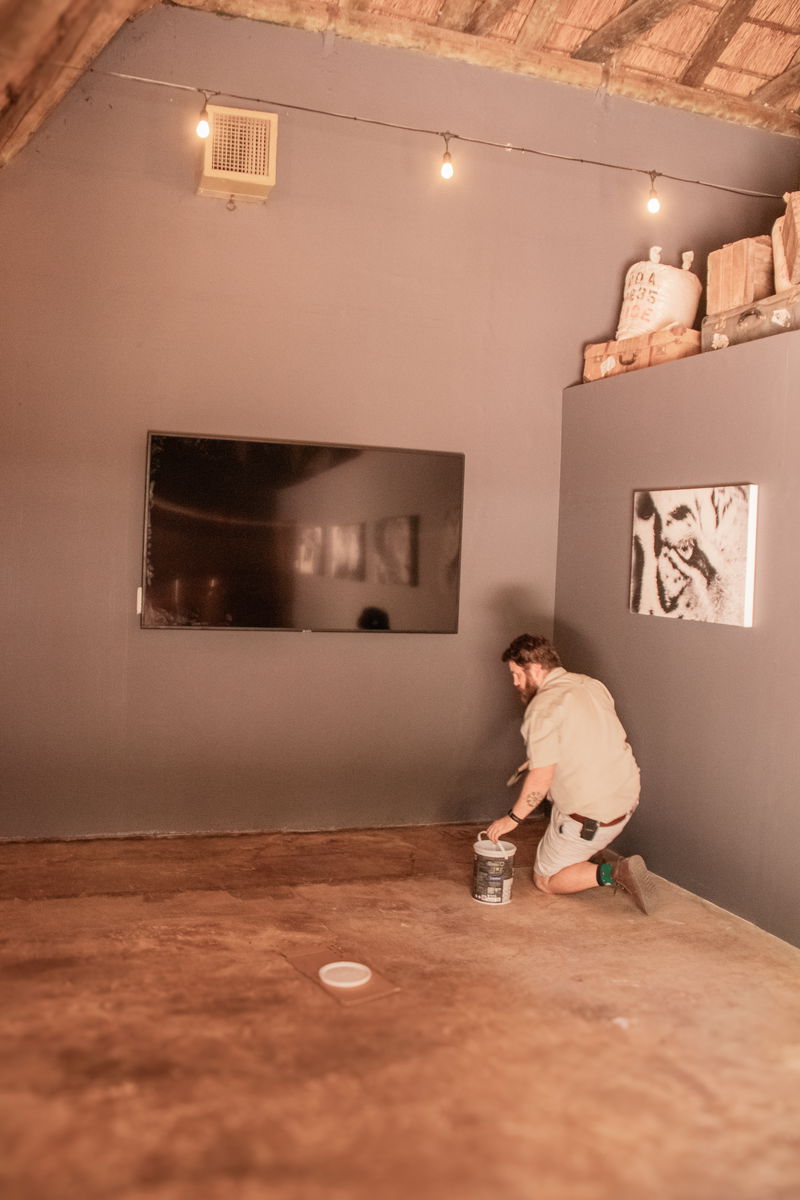
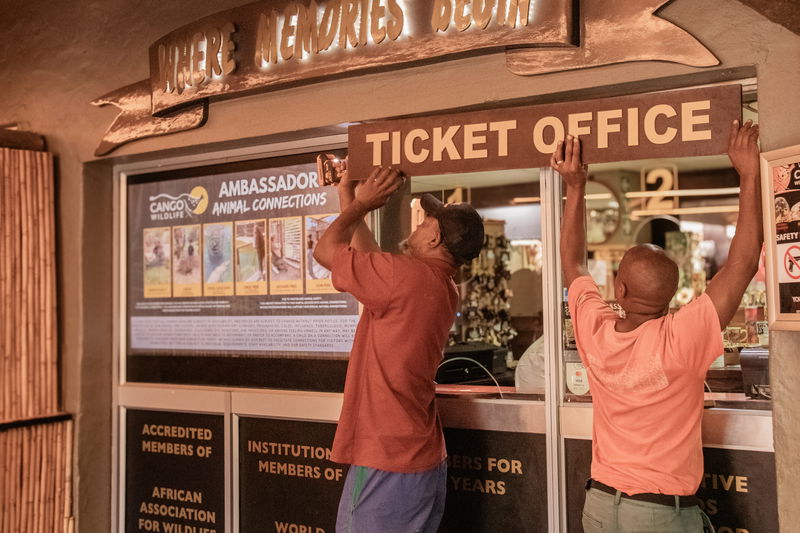
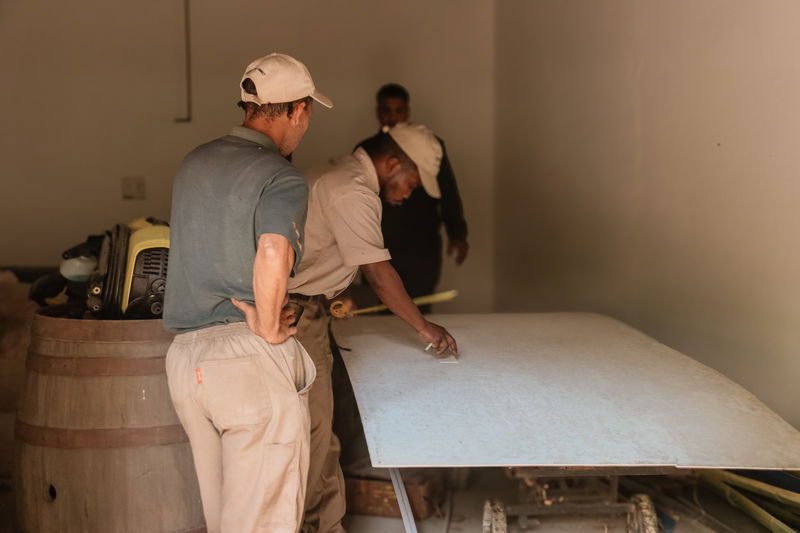
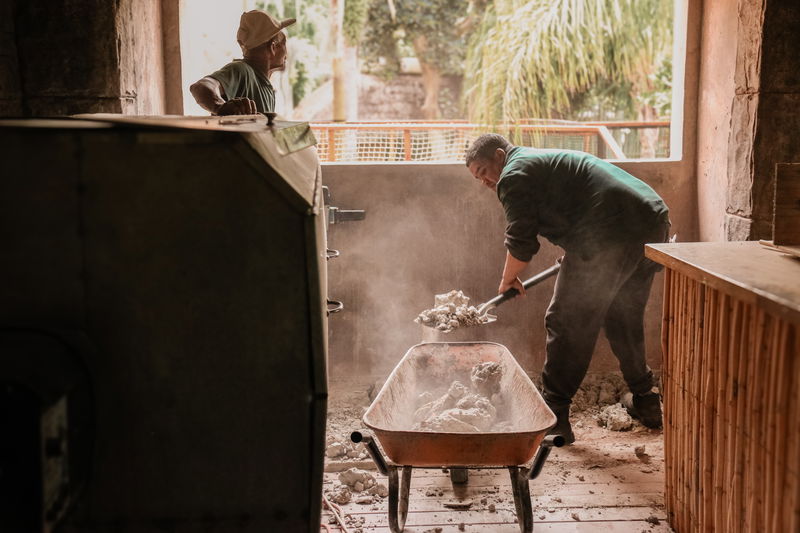
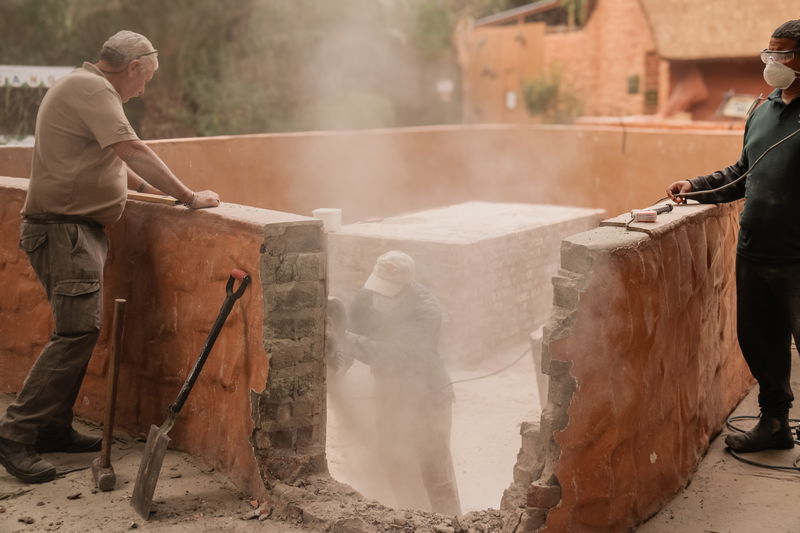
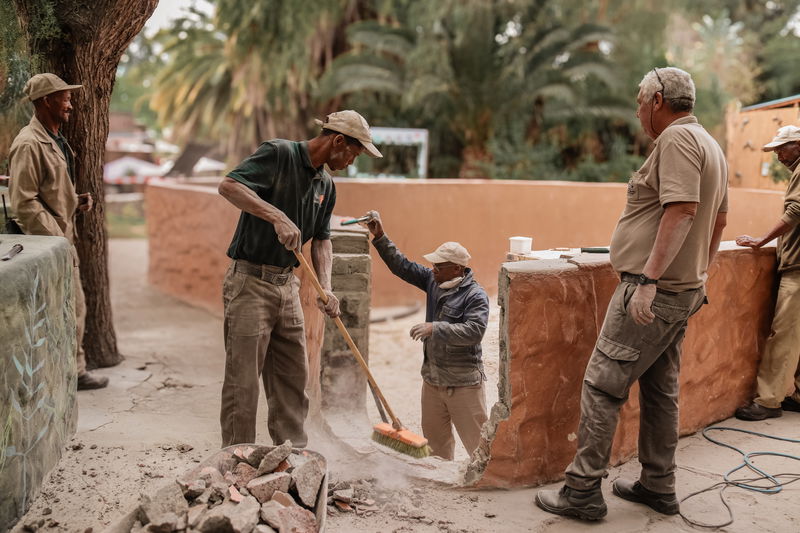
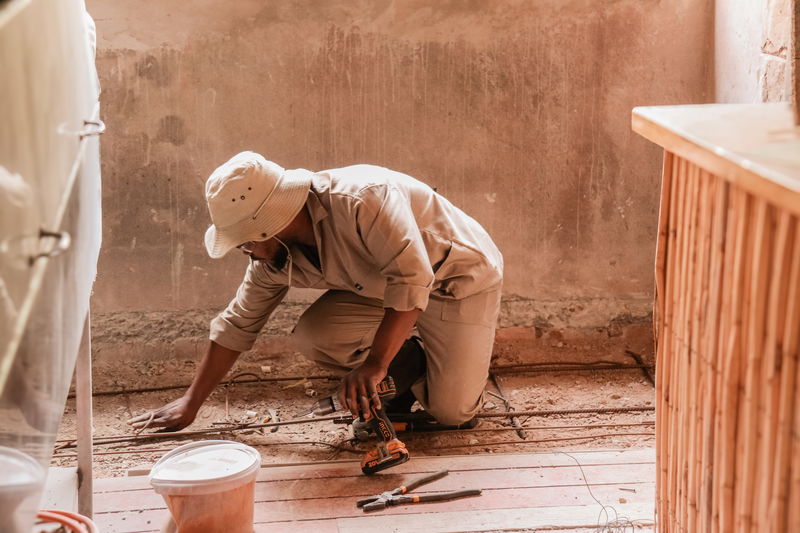
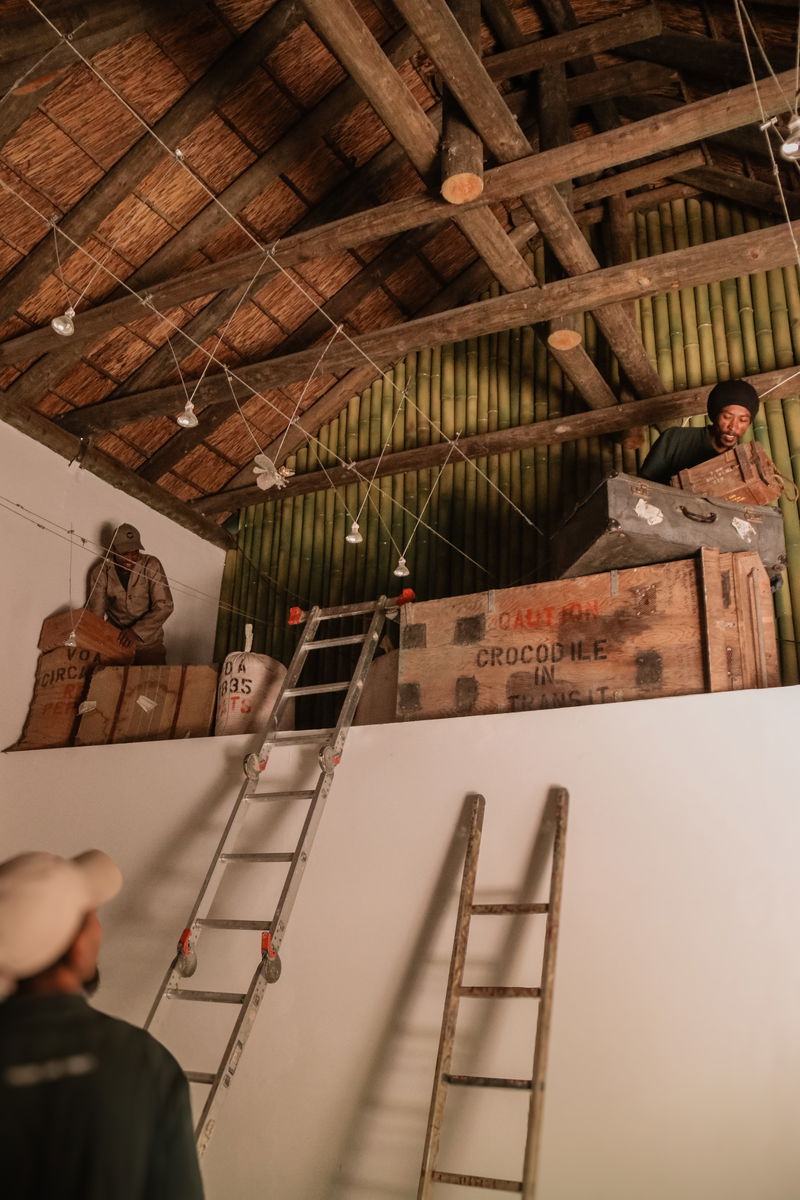
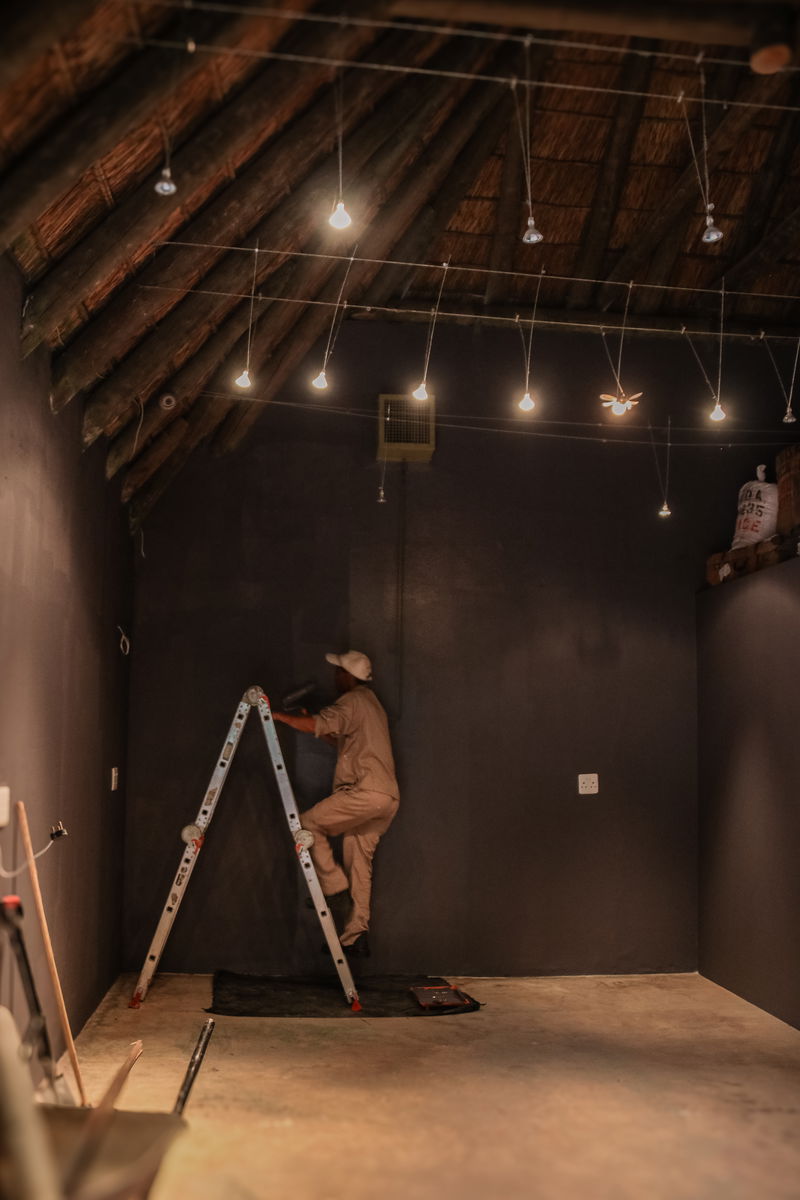
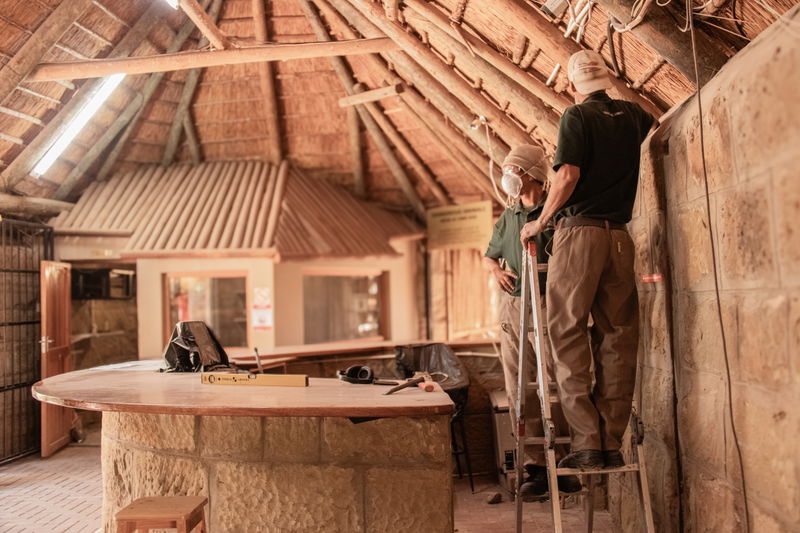
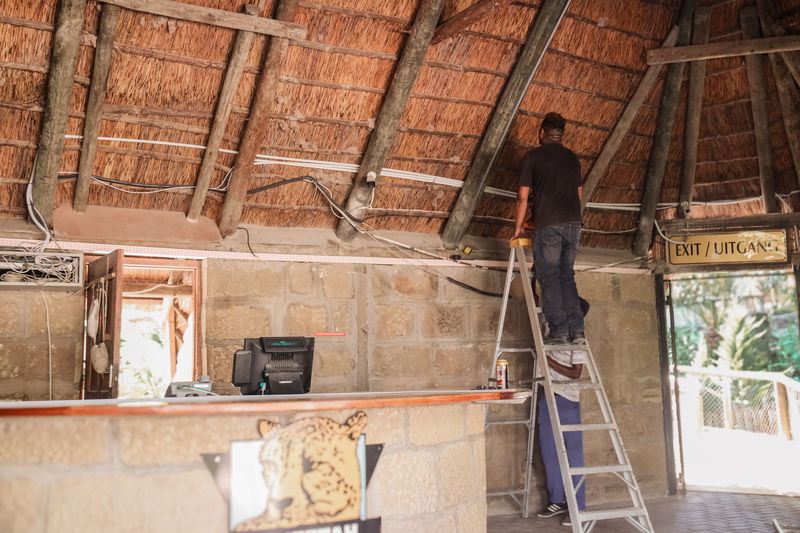
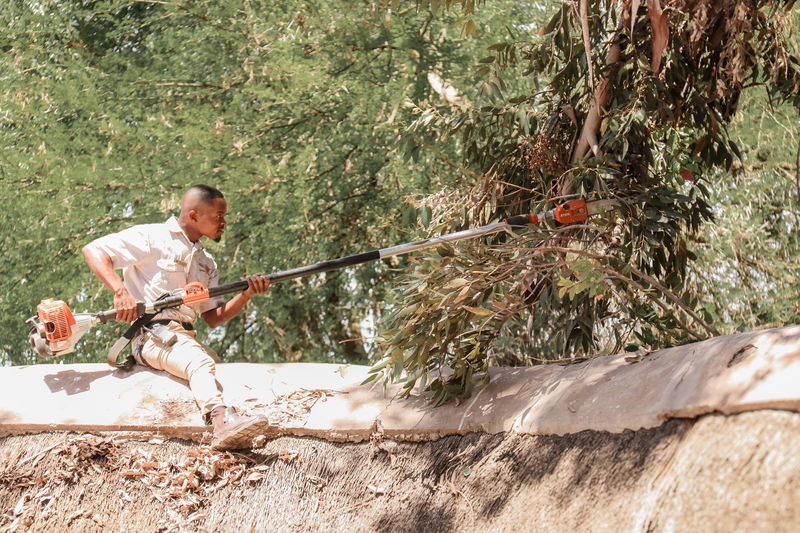
From there, the journey leads into Cheetahland, where one of the most visible transformations has taken place. What was once a closed and segmented foyer has been opened up completely. Drywall was removed. The glass kiosk was dismantled. The thatch roof was cleaned and restored. Electrical systems were replaced and rerouted, and new LED lighting now runs along the beams, bringing warmth and clarity to the space. New plants soften the structure and invite calm. The foyer no longer rushes you through. It welcomes you in. It allows a moment to pause, to orient yourself, to feel where you are before moving deeper into the ranch.
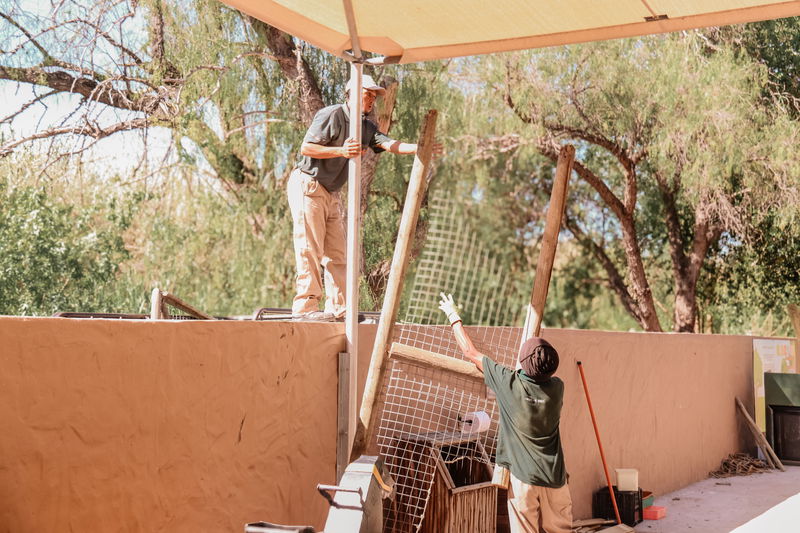
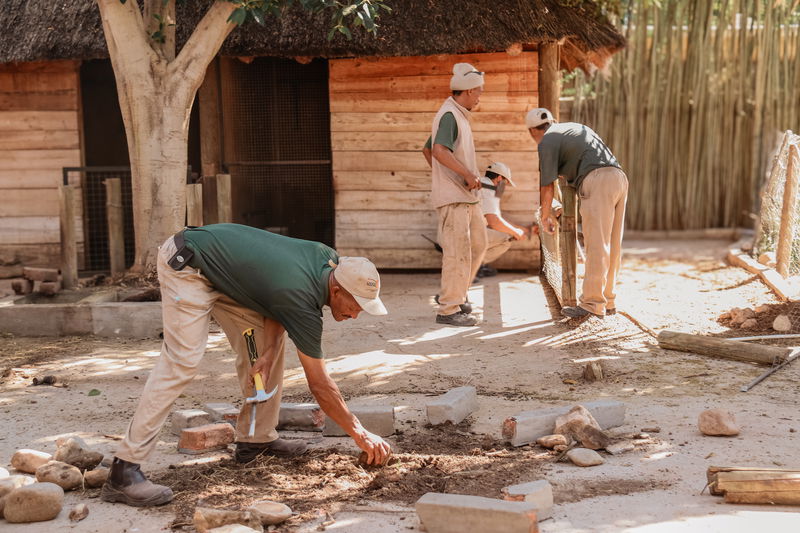
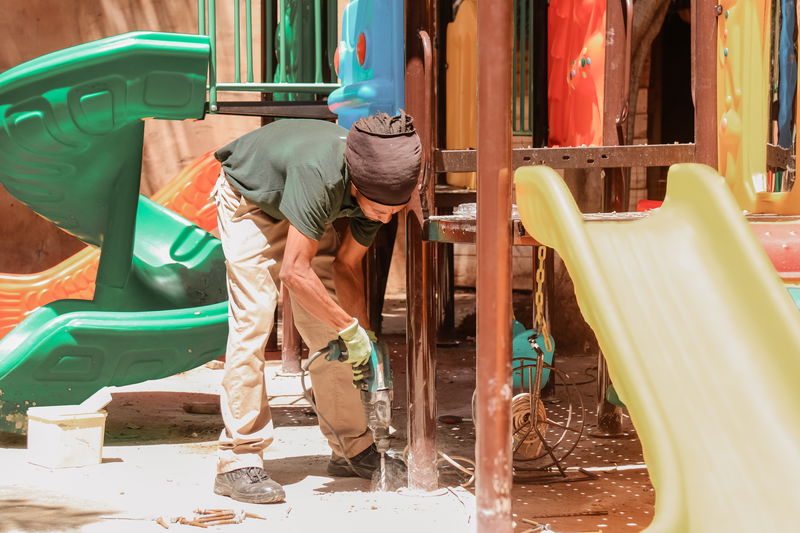
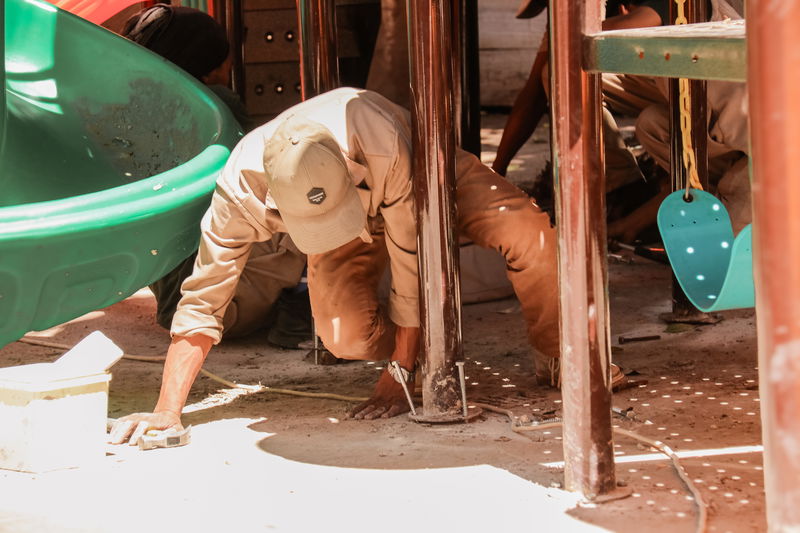
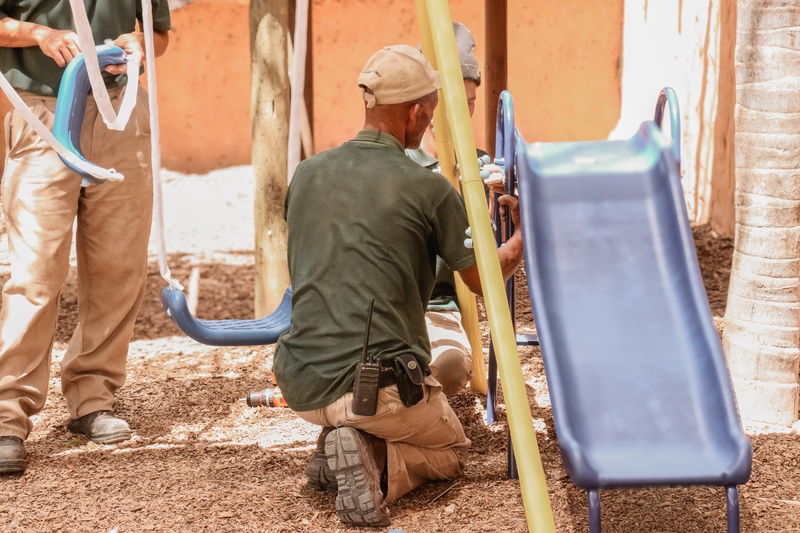
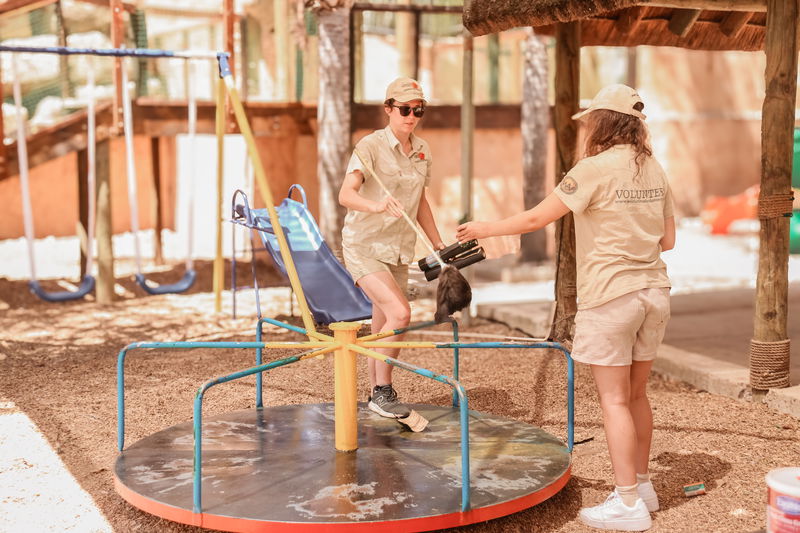
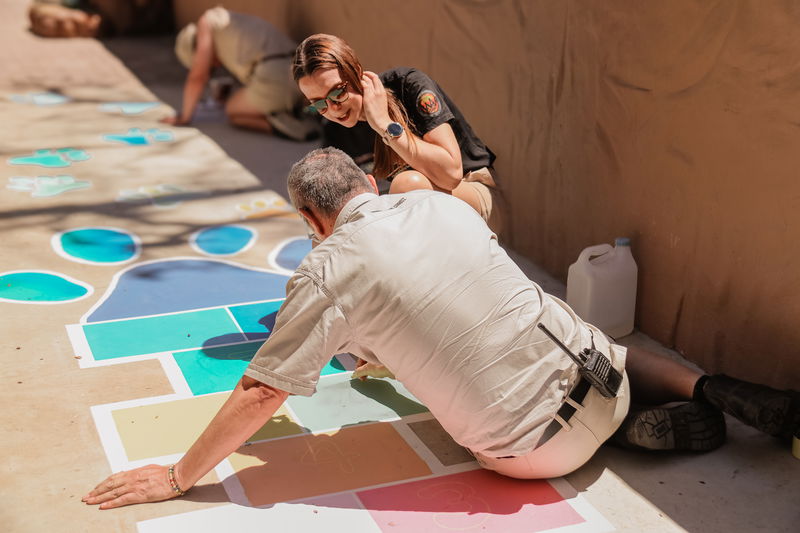
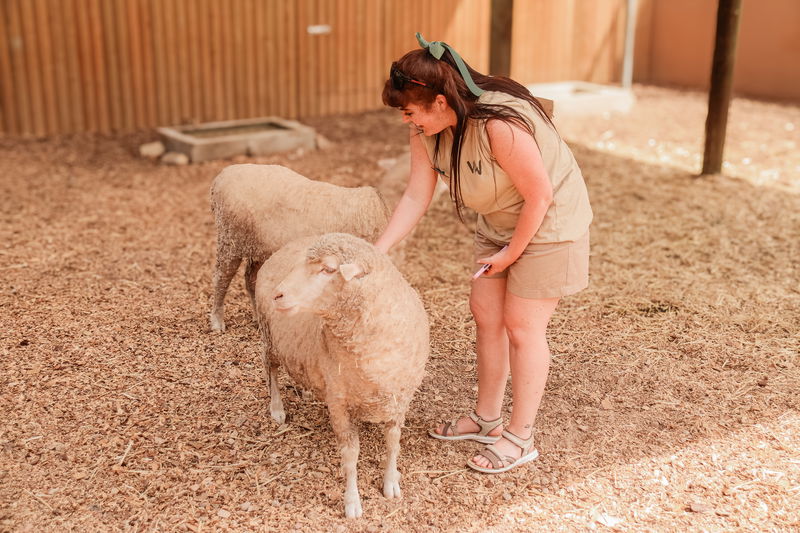
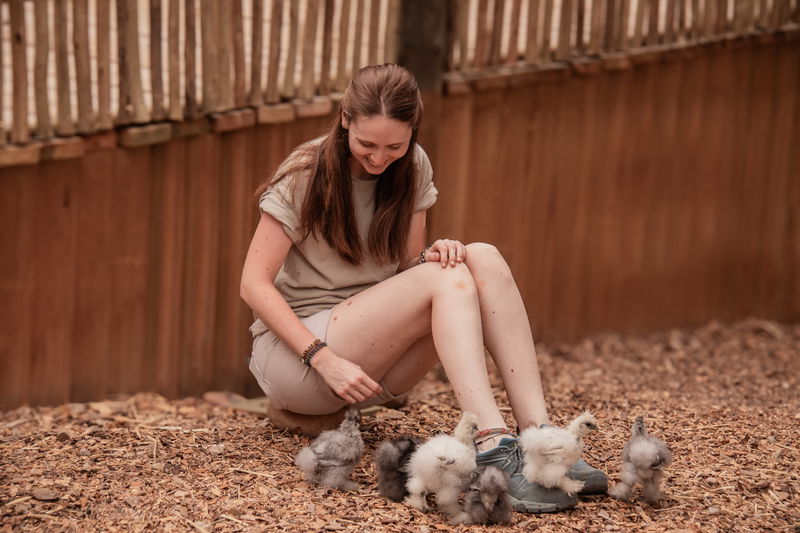
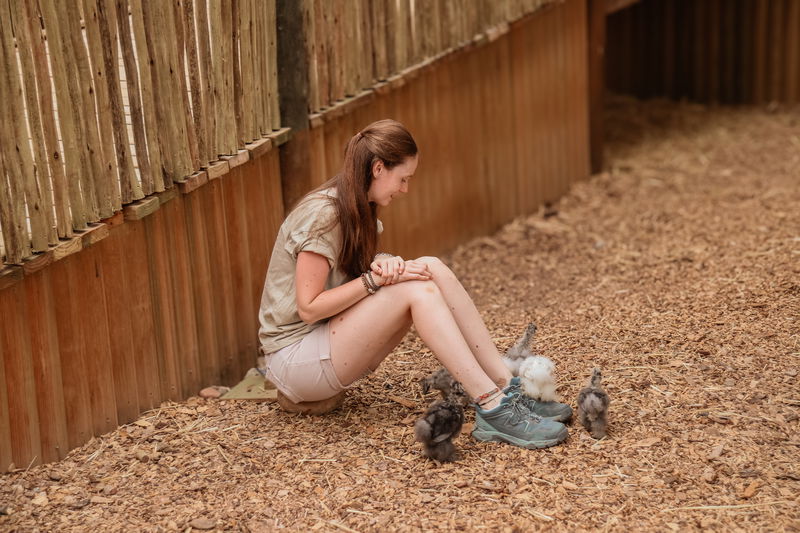
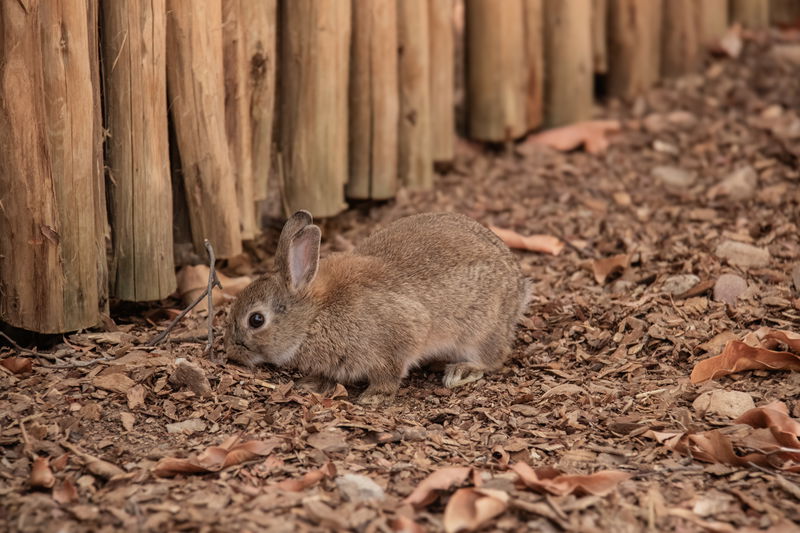
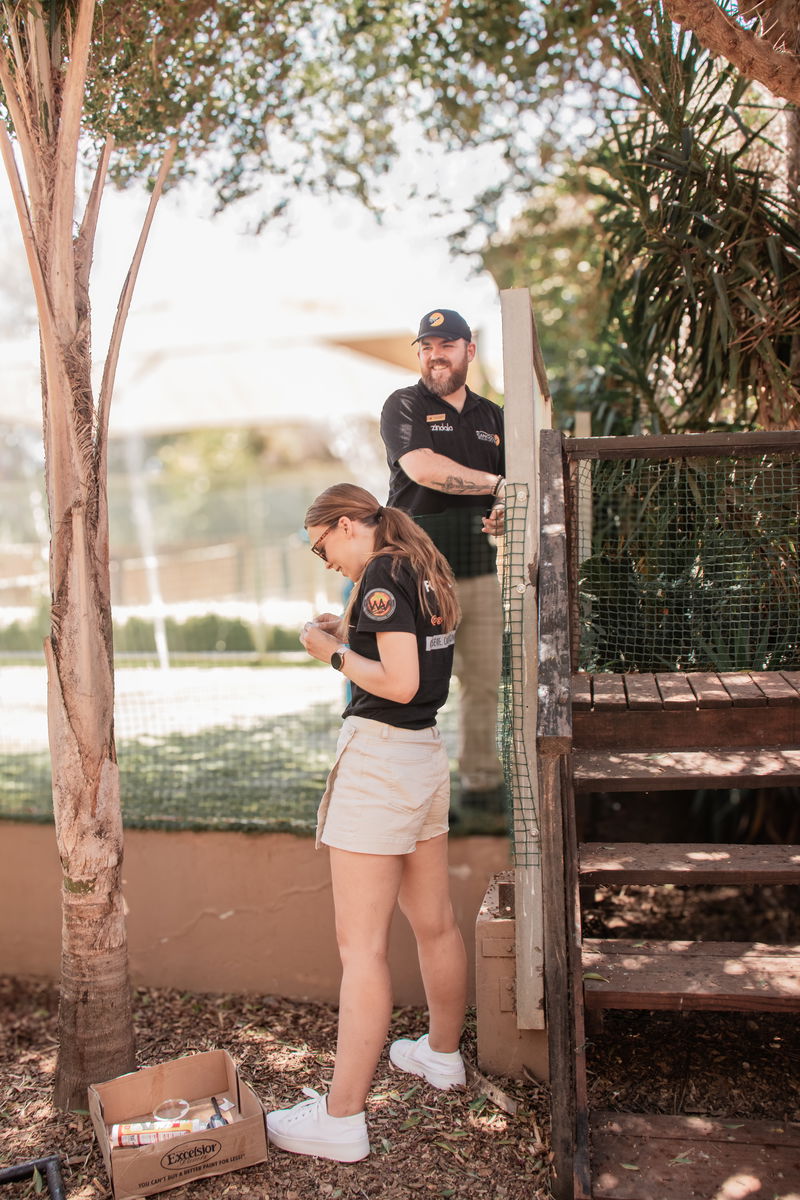
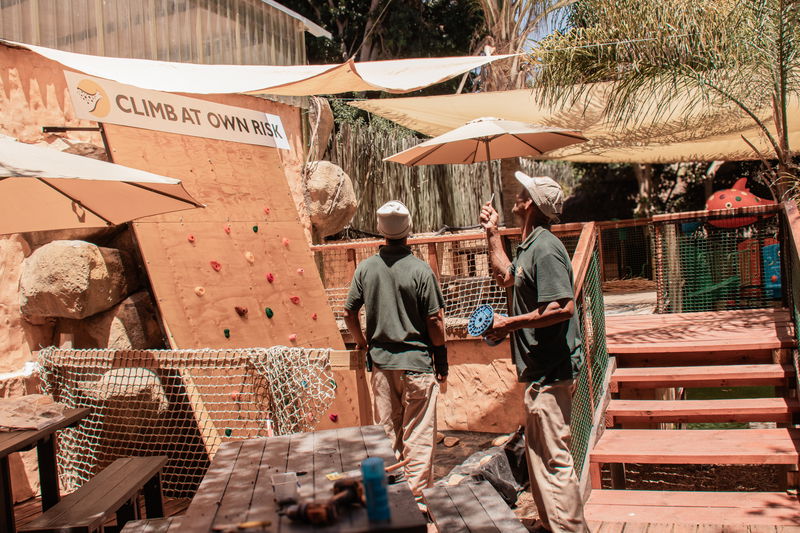
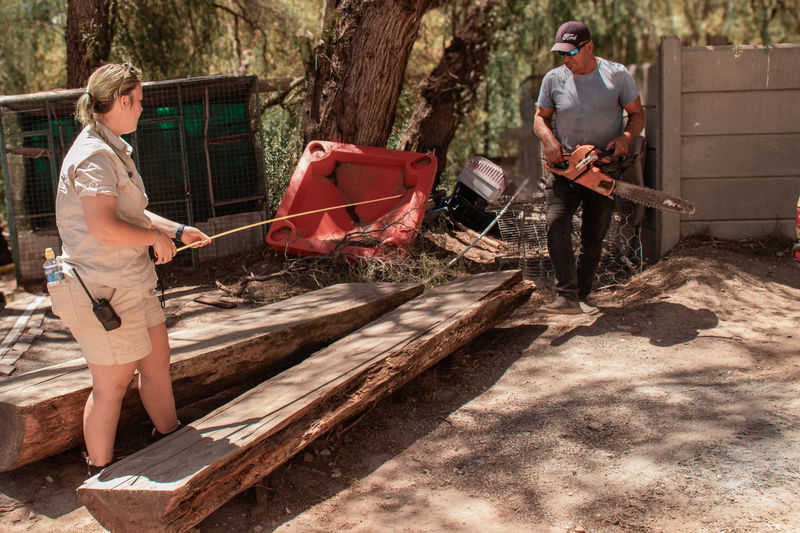
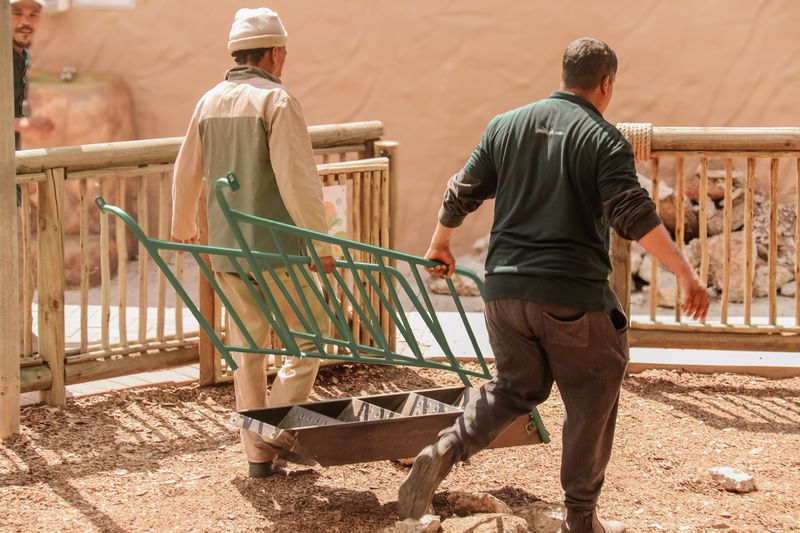
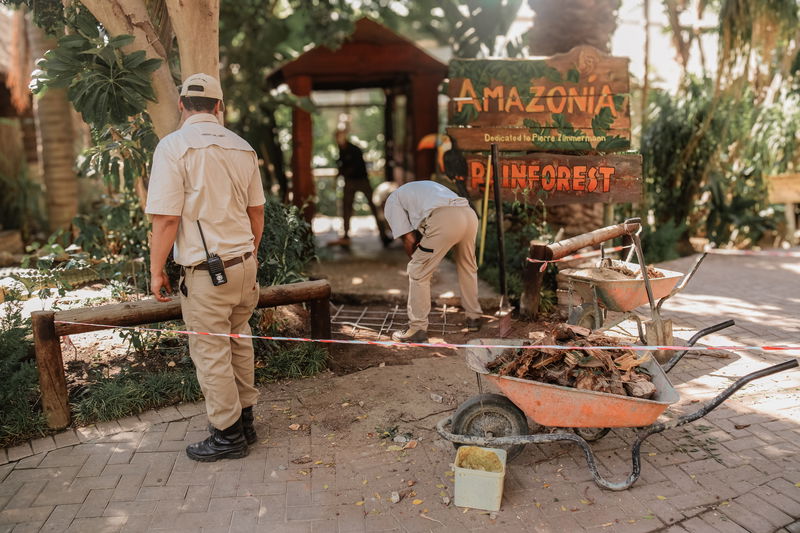
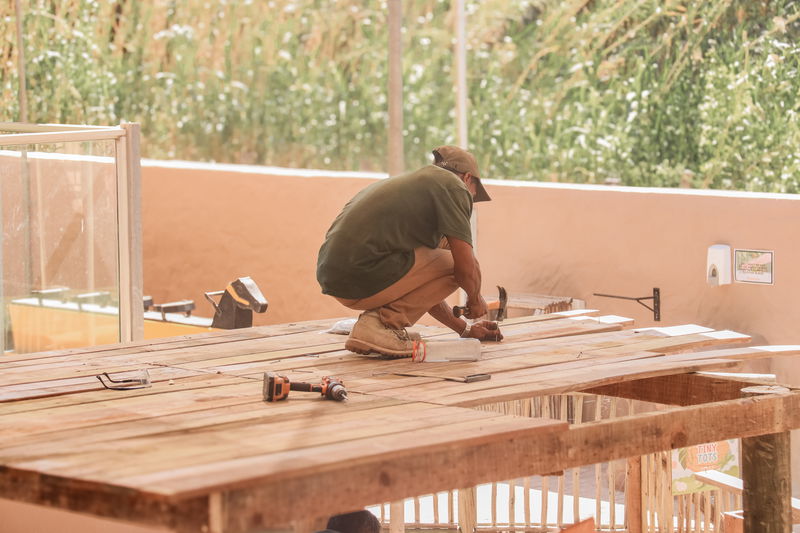
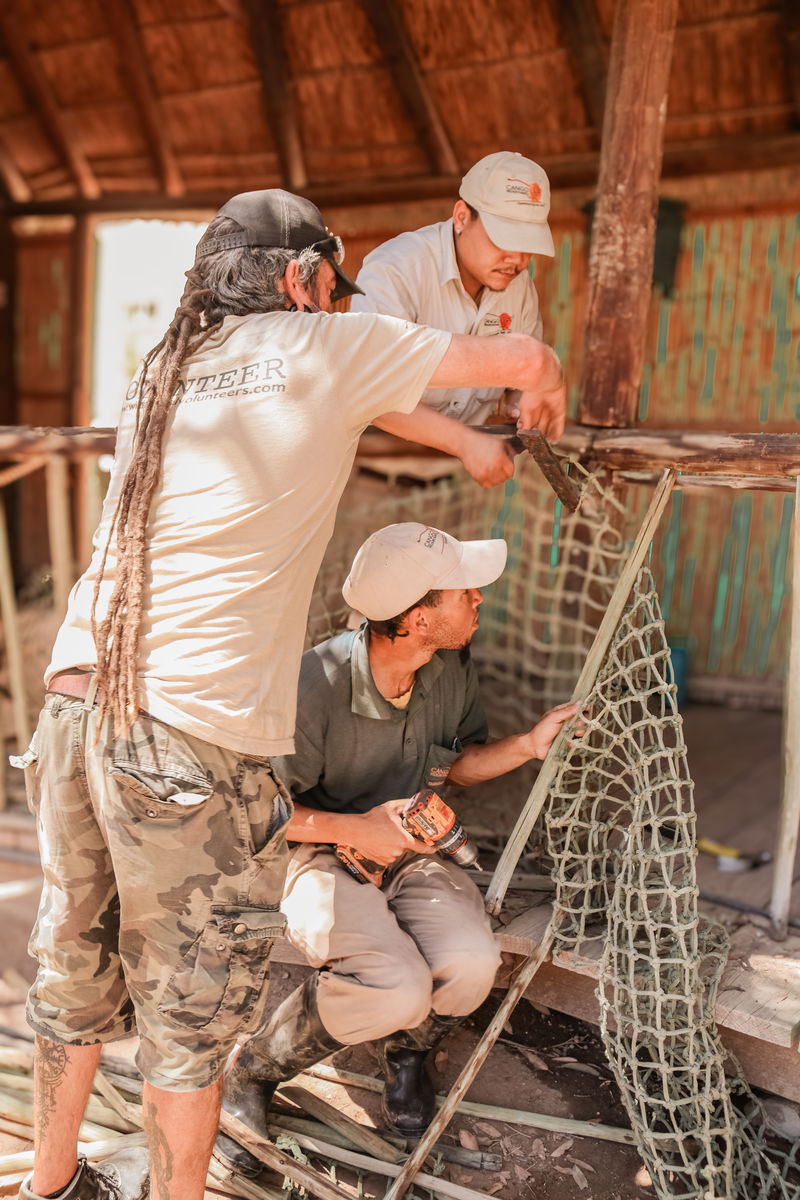
As momentum grew, attention turned to one of the most cherished family spaces on site. KidZone and the Farmyard were entirely reworked. Old structures were demolished. Jungle gyms were relocated. Artificial grass was installed to create safer, cleaner play areas. Our sheep were carefully moved to a new habitat better suited to their needs. These were not cosmetic changes. They were deliberate choices guided by a simple goal. To create an experience that feels joyful, intuitive, and memorable for families.
Children now move freely through a space designed for exploration and play. Parents can slow down, knowing their children are engaged, visible, and happy. The area feels lighter. More open. More aligned with the energy of family visits.
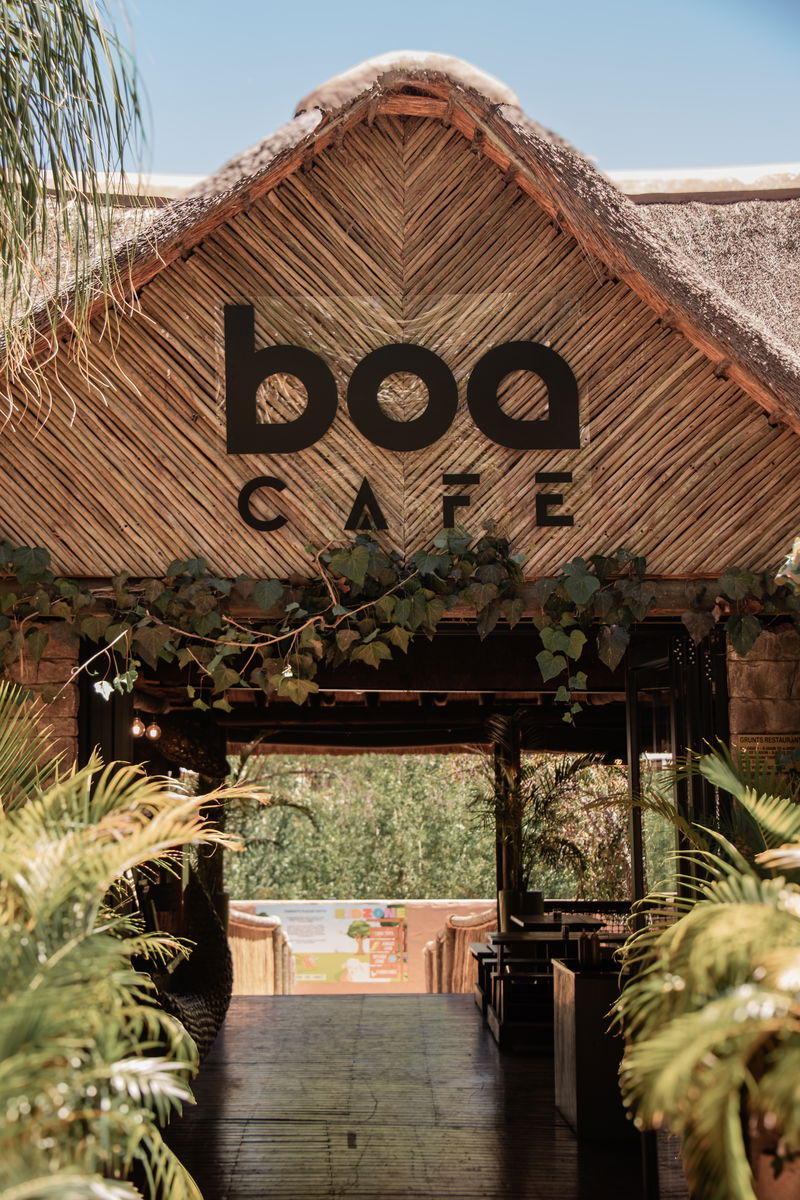
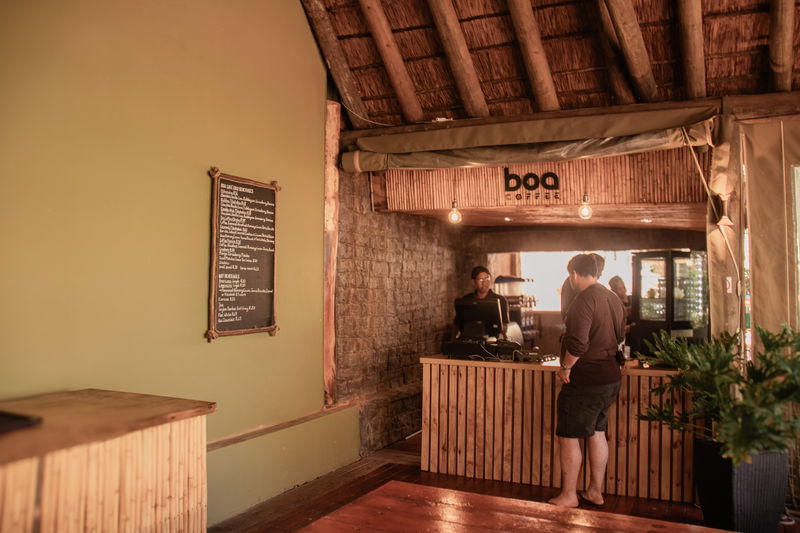
Overlooking this revitalised space is BOA Café, a new chapter for the ranch and a clear statement of intent.
BOA Café is the new on site restaurant at Cango Wildlife and the living expression of what BOA stands for. Because Of Animals. Every detail exists for a reason. Care is taken with ingredients, preparation, and service because the work behind the scenes matters. Food is prepared with intention. Service is delivered with pride. Standards are held high because every cent generated supports the conservation of endangered animals and the protection of biodiversity.
BOA Café is not simply a place to eat. It is a daily reminder that quality, care, and purpose belong together when conservation is the outcome.
Whether seated inside or out on the deck, visitors can enjoy a peaceful setting framed by nature, with a clear view of children playing nearby. It is a place to refuel without disconnecting. To rest without stepping away from the experience. To be present.
Looking ahead, BOA Café is designed as more than a single location. It is the foundation of a broader lifestyle platform where food, culture, and conservation intersect. It hints at future experiences, collaborations, and spaces that extend the BOA ethos beyond the ranch itself.
Alongside it sits BOA Coffee, currently in soft launch, with a clear ambition. To become the standout coffee destination in the region. Coffee holds powerful cultural space. BOA Coffee exists to bring impact into that space.
Long term, the vision extends beyond the ranch. A sustainable coffee line. Purpose driven merchandise. Reusable coffeeware that embeds conservation values into everyday rituals. BOA Coffee represents the commercialisation of care. Turning daily habits into meaningful contributions toward protecting animals, ecosystems, and the future they depend on.
Beyond the cup, BOA Coffee quietly signals the direction of the wider BOA brand. Everyday subcultures reimagined as vehicles for conservation. Where what people consume, wear, and participate in becomes an extension of protecting life on Earth.
Beyond the public spaces, quieter transformations have been unfolding.
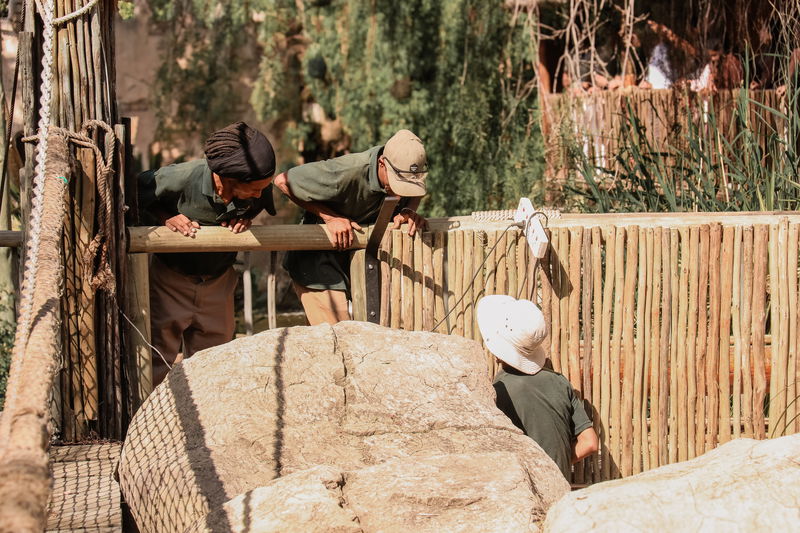
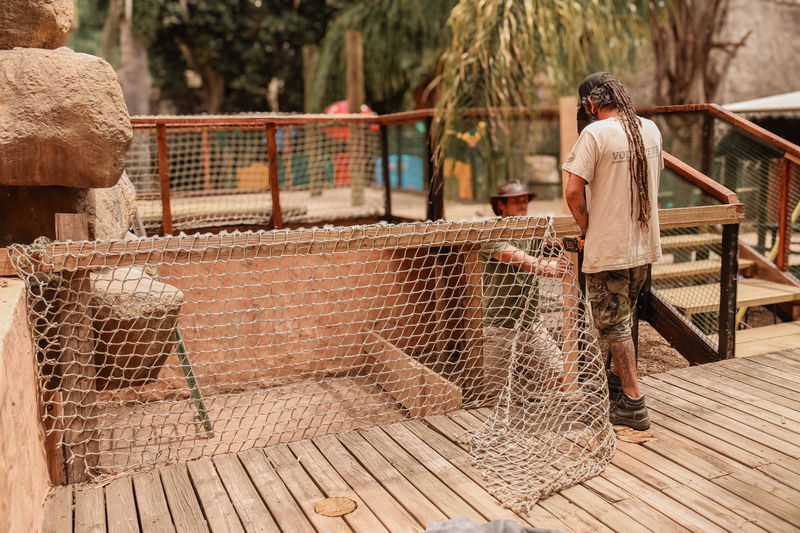
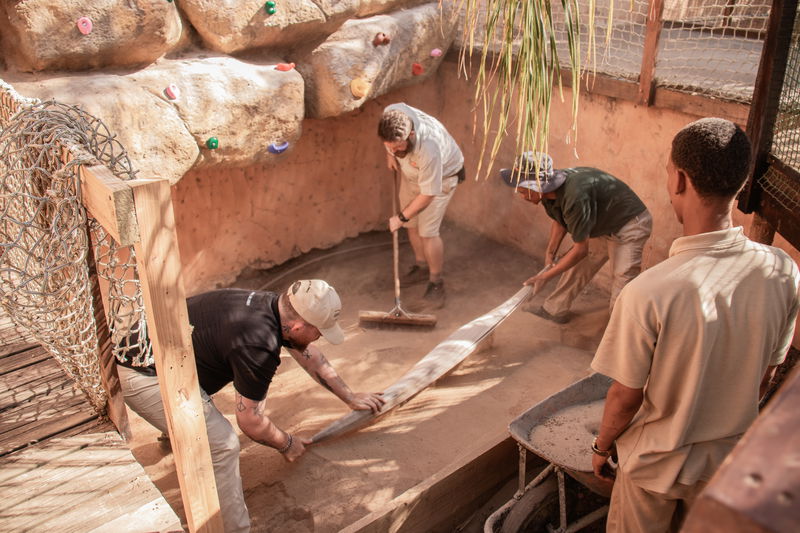
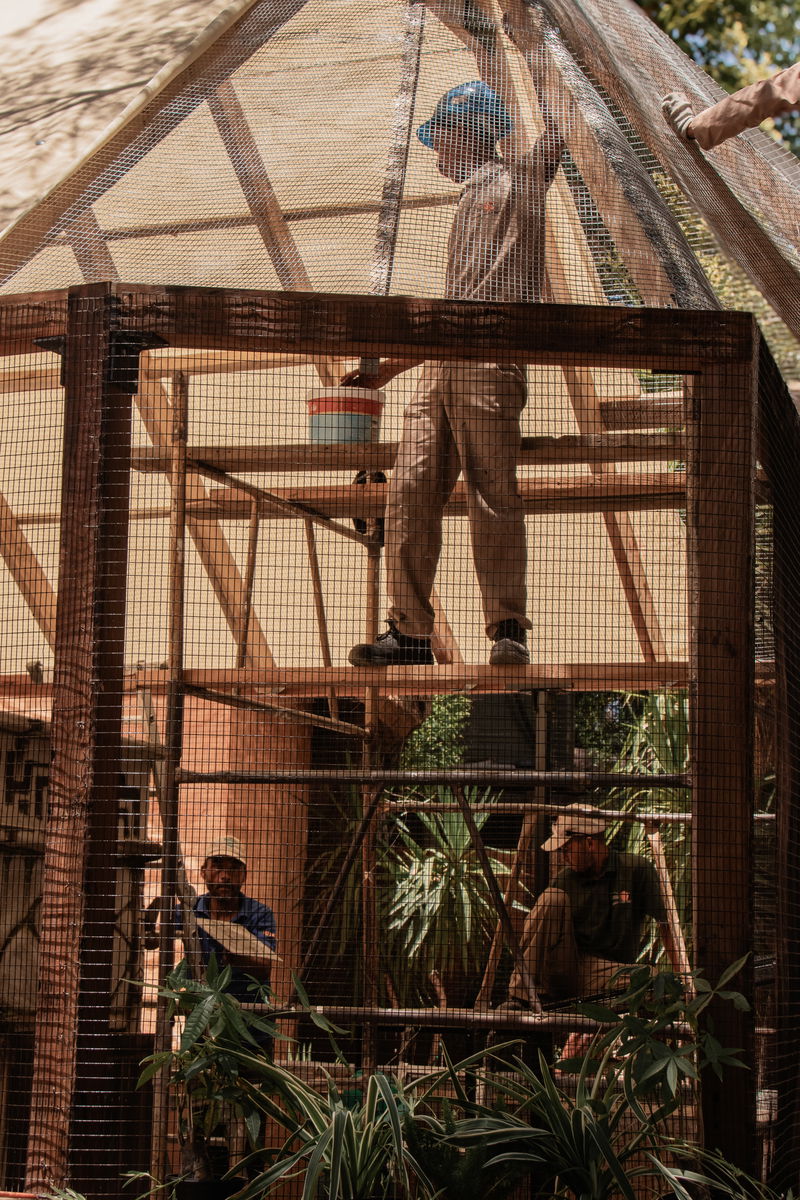
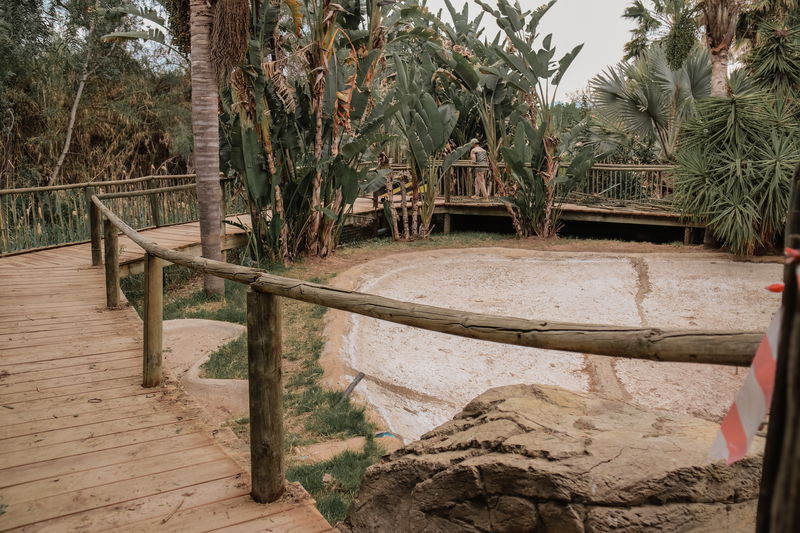
Saimiri Ruins, the new Squirrel Monkey habitat, carries deep meaning. Our Squirrel Monkeys have been part of the Cango Wildlife family for five years. During that time, they lived in a dedicated back of house habitat while their future space slowly took shape.
The vision was always clear. An immersive habitat with height, complexity, and flow. A space that encouraged movement, social interaction, and curiosity.
Reaching that vision took time.
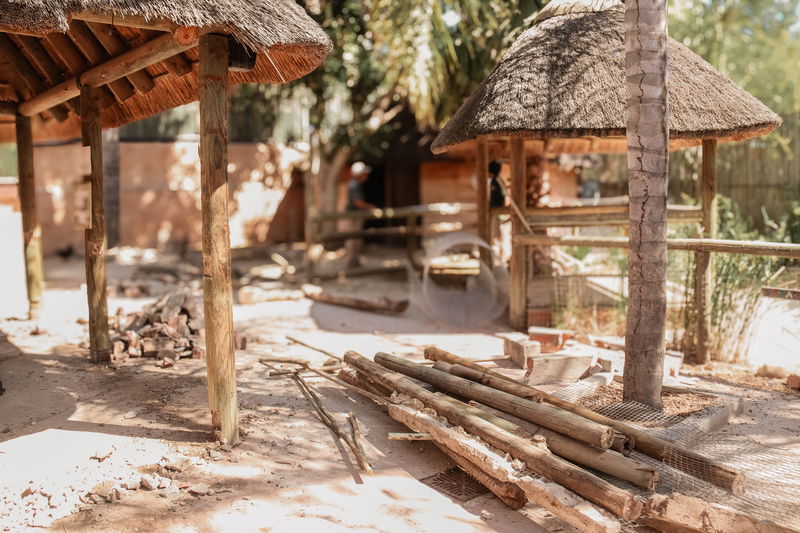
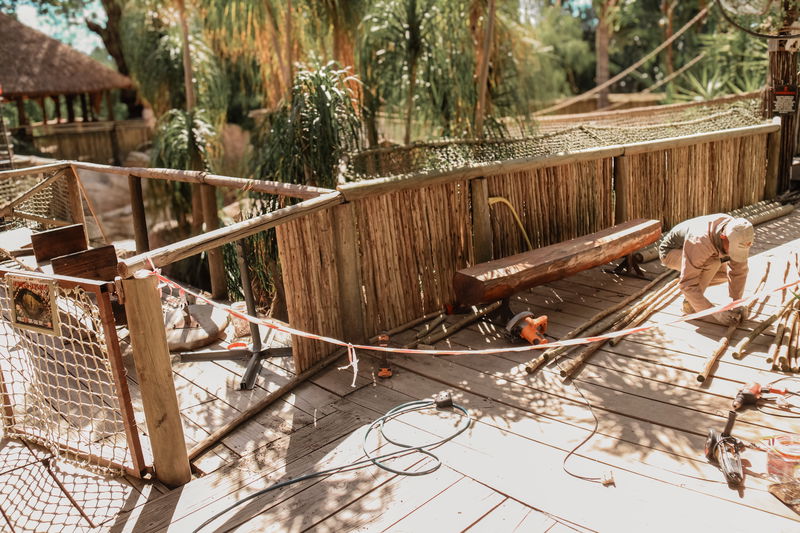
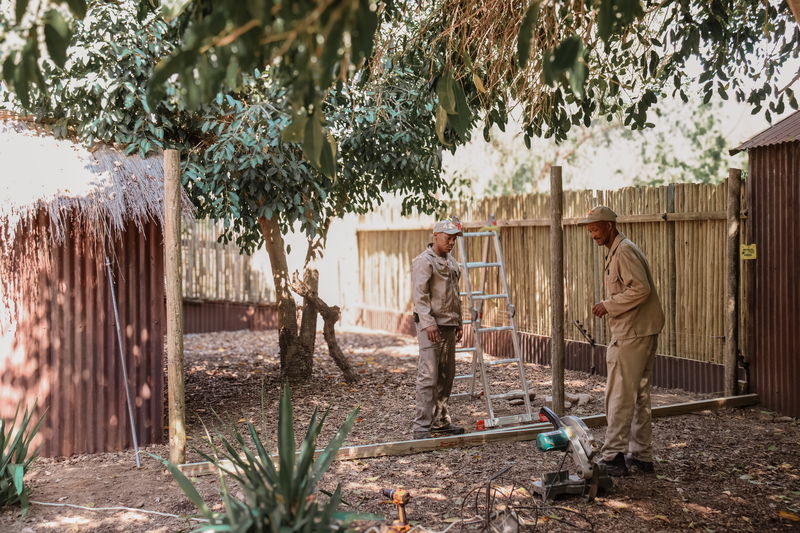
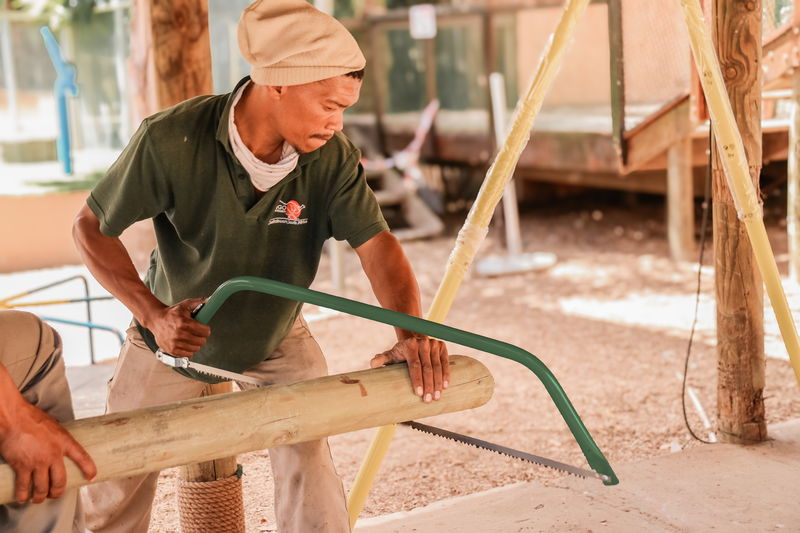
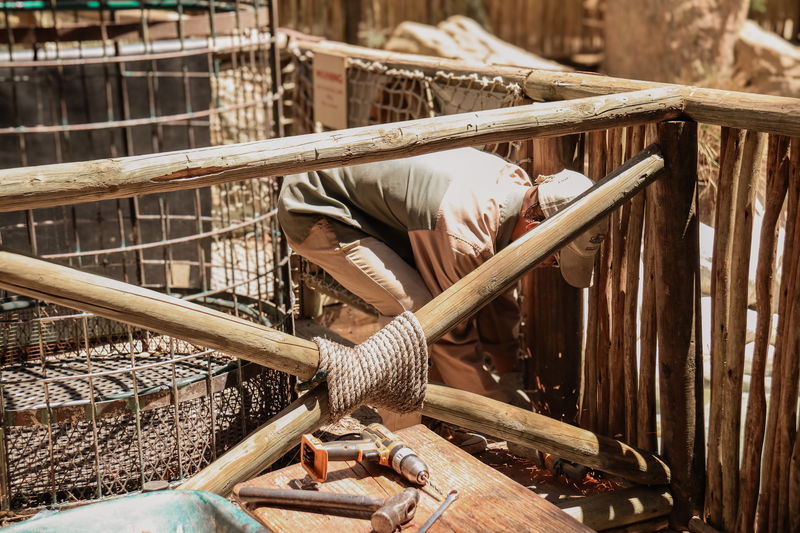
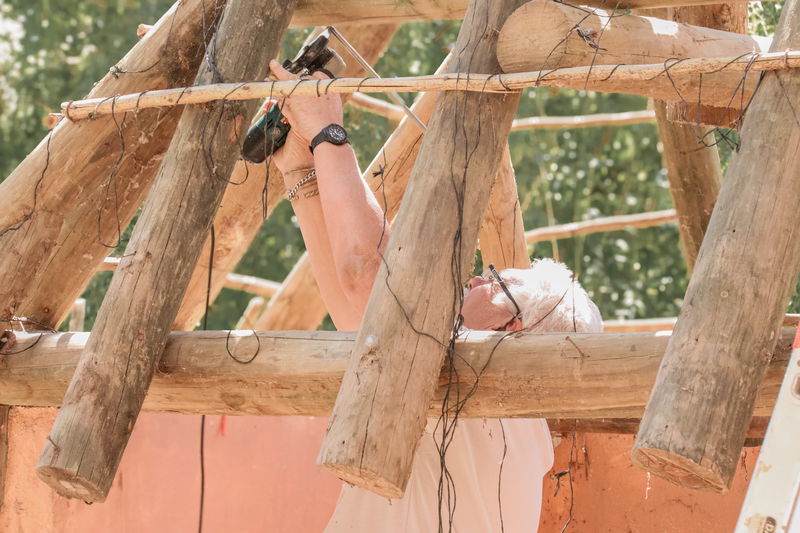
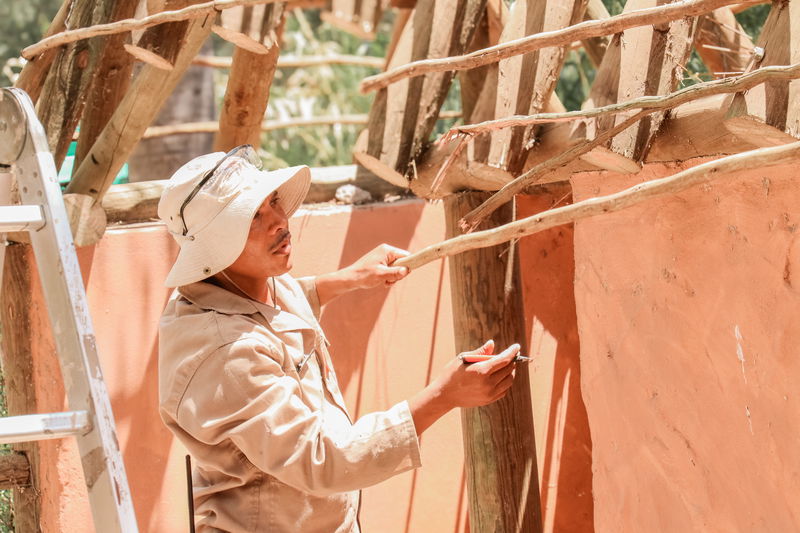
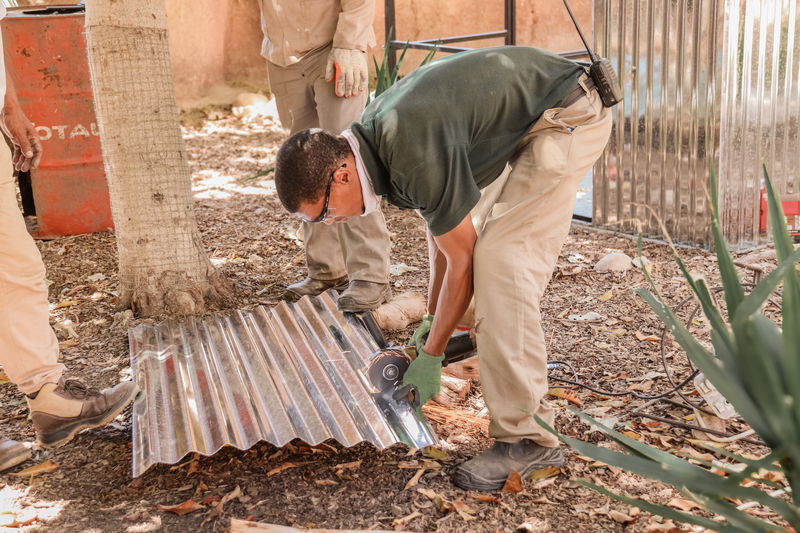
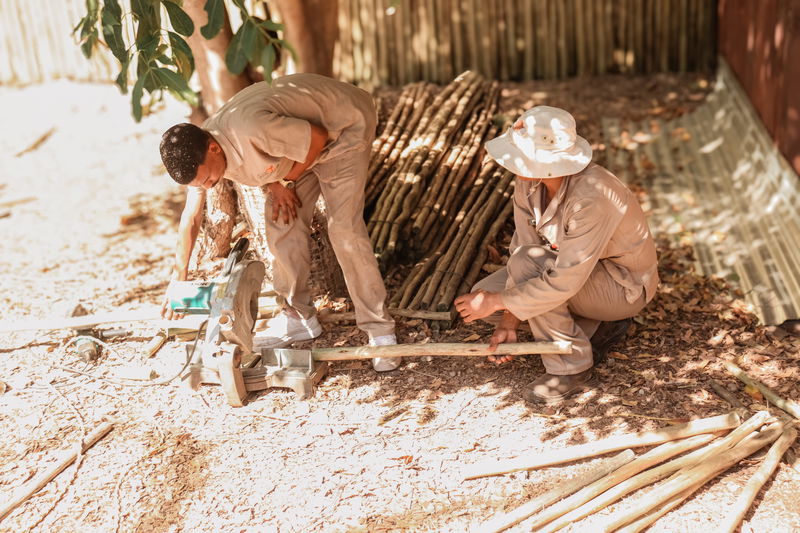
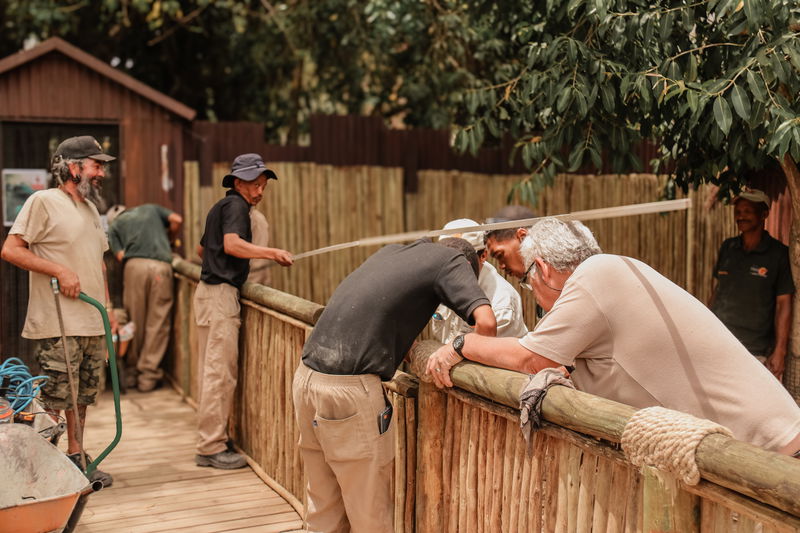
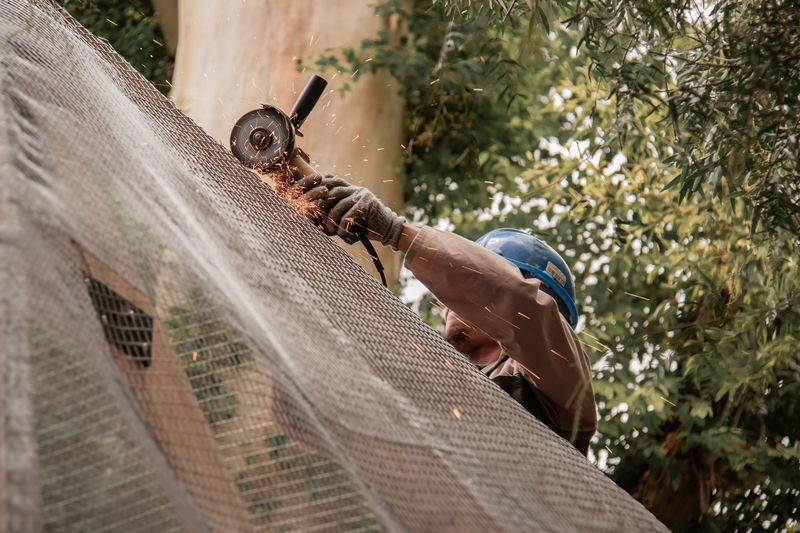
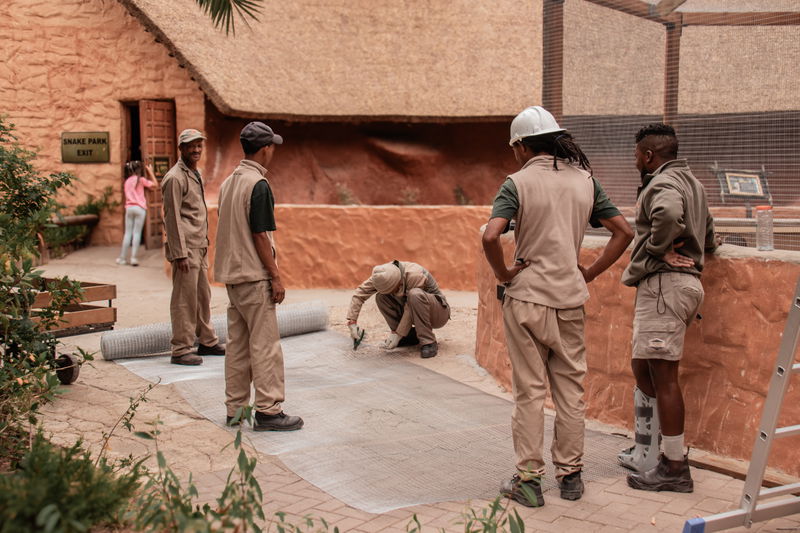
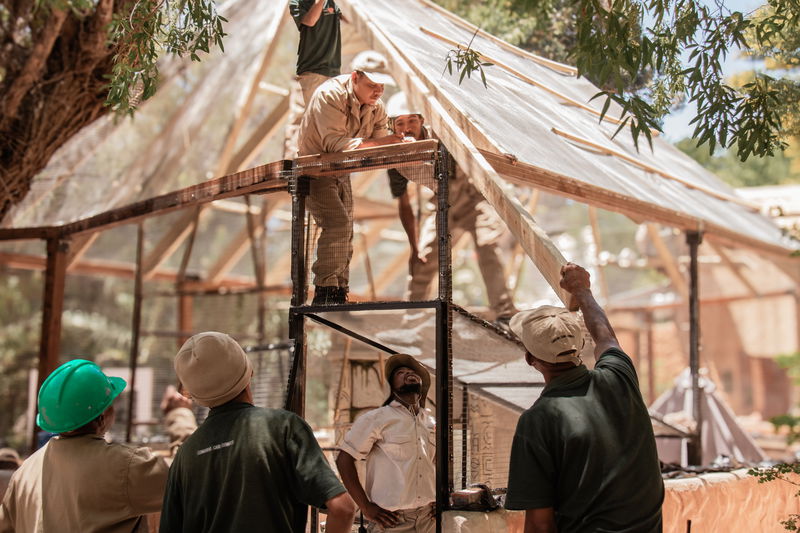
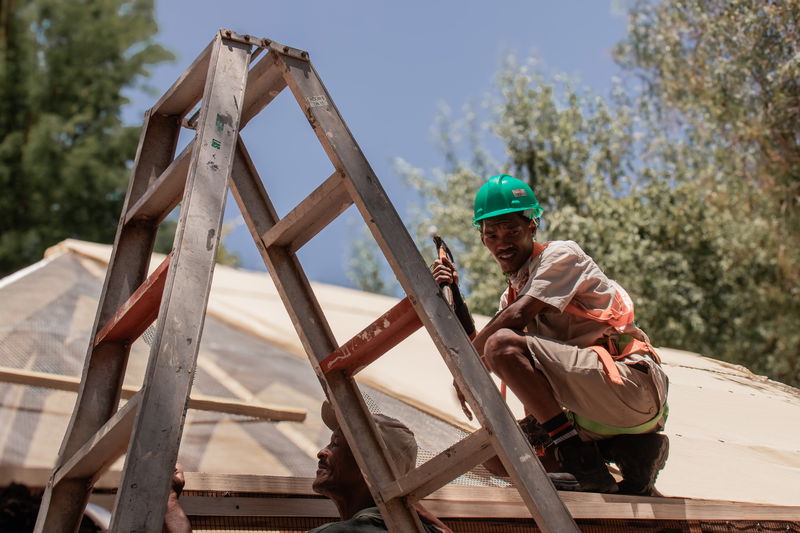
Covid brought uncertainty and delays. Loadshedding disrupted timelines and limited working hours. Flooding forced rebuilds and setbacks when infrastructure was damaged. Progress often came in fragments rather than leaps. Measuring. Cutting. Adjusting. Waiting. Starting again.
What never shifted was commitment.
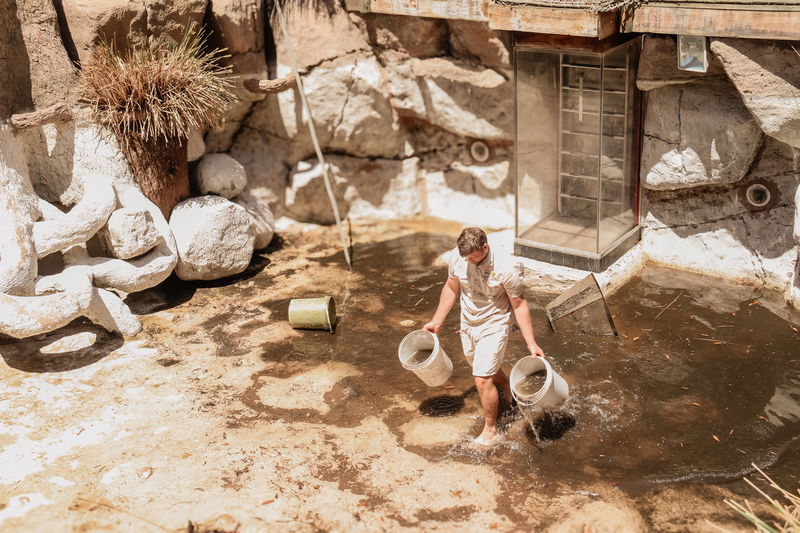
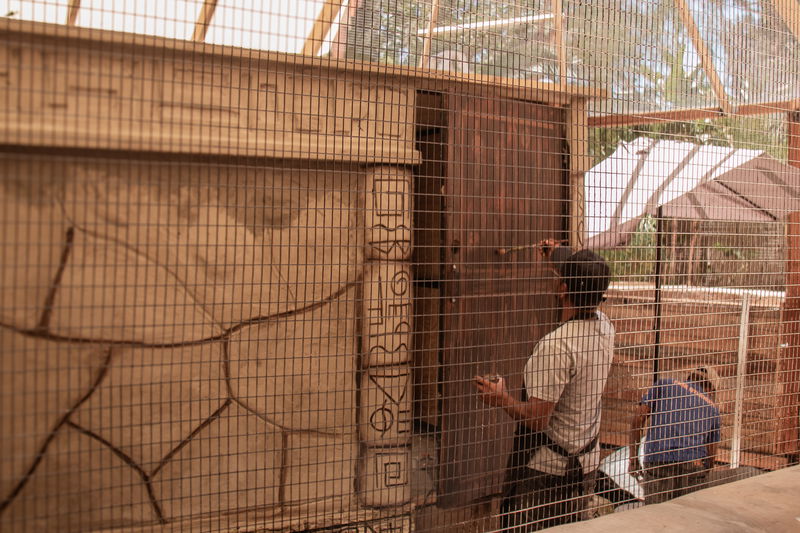
Saimiri Ruins reflects that journey. A space once shaped by humans, now reclaimed by nature. Exposed stone. Visible structure. Life returning in layers. It mirrors landscapes across Central and South America, where forests fragment gradually and wildlife adapts in the margins left behind.
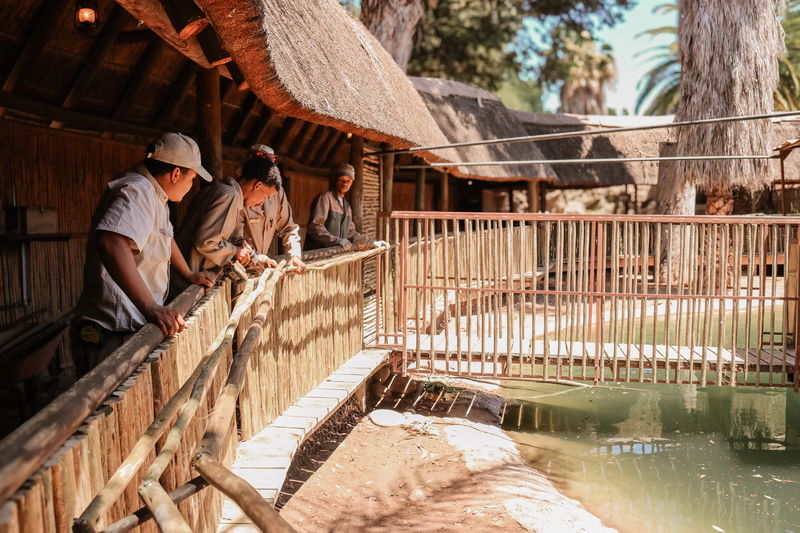
For Squirrel Monkeys, movement is essential. In the wild, they live high in the canopy near rivers, travelling in fast moving social troops. Their small bodies burn energy quickly. Stillness is not an option. This habitat was built to honour that reality. Vertical routes. Multiple pathways. Hidden corners. Elevated platforms. Enrichment designed to keep minds and bodies active.
When the monkeys entered the habitat for the first time, there was no hesitation. They explored every level, every route, every hidden space. Years of planning became visible in moments.
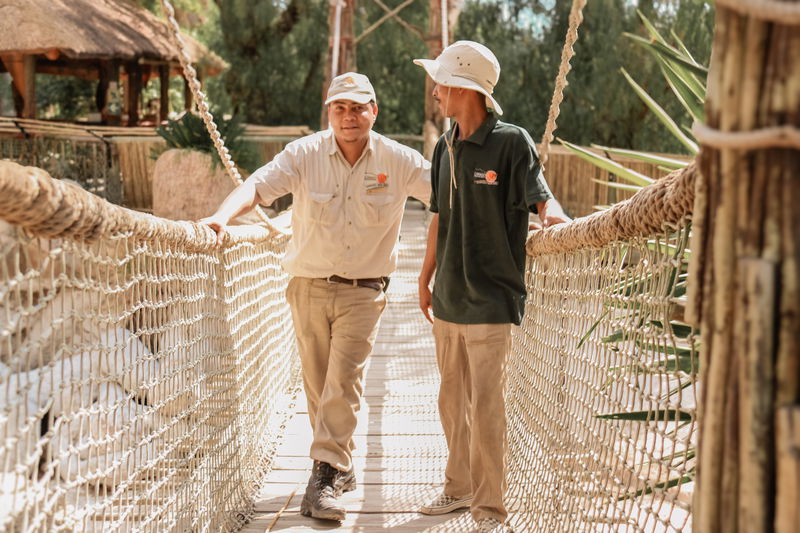
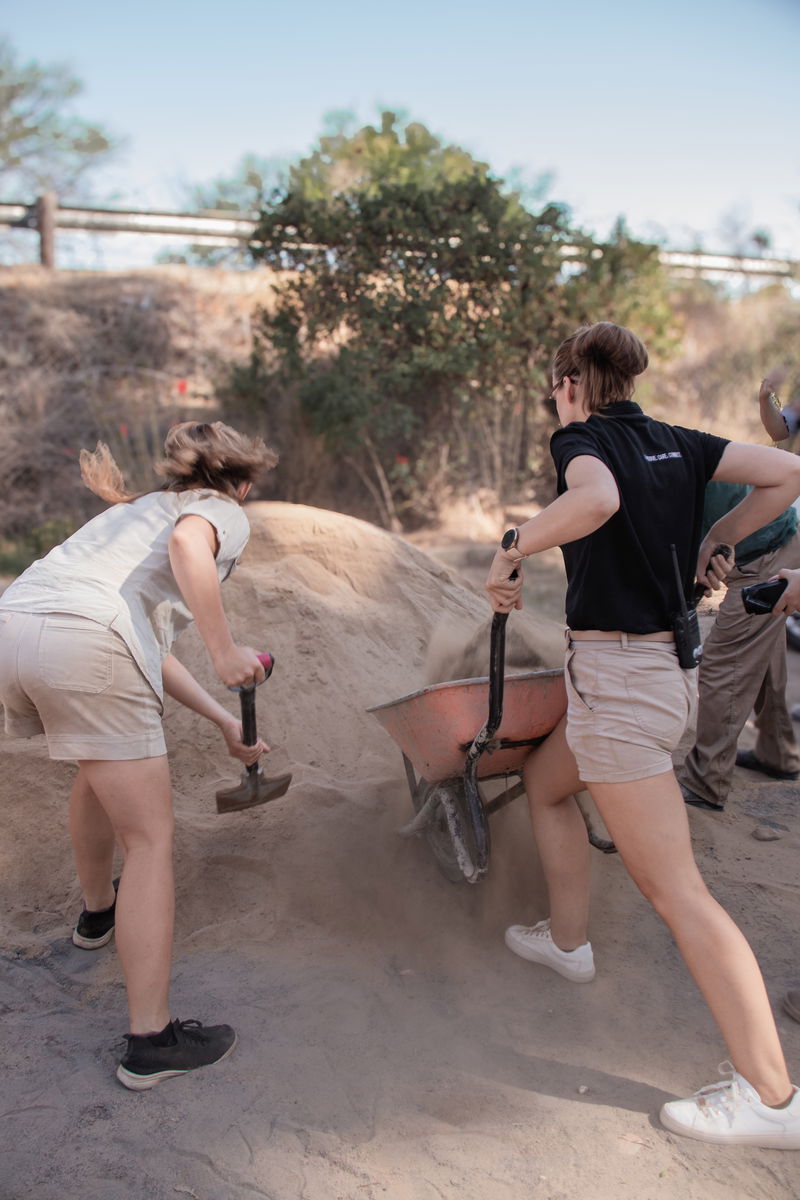
Taken together, these changes tell a larger story. One of patience. Adaptation. Care. They reflect a commitment to building spaces that serve animals and people equally, spaces that feel intentional rather than imposed.
This past season has been one of rebuilding and reimagining. Much has changed. The heart of Cango Wildlife has not.
A place of connection.
A place of care.
A place where stories continue to unfold.




Share This Post
Latest News
-
 Changing the future of conservation
Thu January 29, 2026 -
 Together, We Can Reverse The Red
Thu January 29, 2026 -
 Kraaibosch - A Growing Legacy
Thu January 29, 2026 -
 Care, Recovery, Release - The Steppe Buzzard
Thu January 29, 2026 -
 A New Name, The Same Purpose
Thu January 29, 2026 -
 Choosing Ethics. Building Bridges. Coming Back.
Thu January 29, 2026 -
 A New Home At Last!
Fri December 26, 2025 -
 The Explorium: Where The Story of Cango Wildlife Comes Alive
Fri December 26, 2025 -
 A Season of New Beginnings
Fri December 26, 2025 -
 Built With Purpose
Fri December 26, 2025
Further Reading
Changing the future of conservation
Thu January 29, 2026
Read This Article
Together, We Can Reverse The Red
Thu January 29, 2026
Read This Article
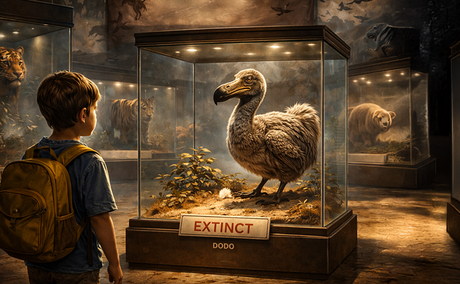
The Dodo once walked freely on the island of Mauritius. With no natural predators, it had no reason to fear humans. Within less than a century of human arrival, it was gone. Extinction is permanent. Once a species disappears, there is no recovery, no second chance, no future generations to protect. Every species on the Red List tells a story of pressure. Habitat loss. Human conflict. Climate stress. Decline that did not...
Kraaibosch - A Growing Legacy
Thu January 29, 2026
Read This Article
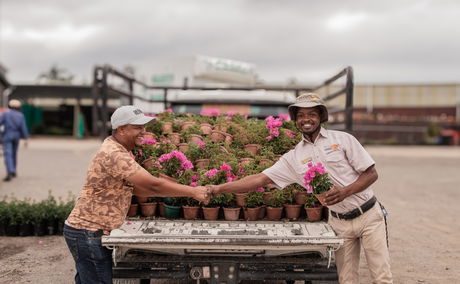
Some partnerships are built quietly and strengthened over time through consistency and shared purpose. Since 2018, Kraaibosch Nurseries in George has supported Cango Wildlife and the Cheetah Preservation Foundation as a benefactor. Their ongoing contributions help sustain the day to day work of conservation, from animal care and veterinary treatment to habitat management and long term programmes focused on threatened species, including cheetahs and other vulnerable wildlife in our care.
Share This Post